
Beautiful Plants For Your Interior
Beautiful Plants For Your Interior
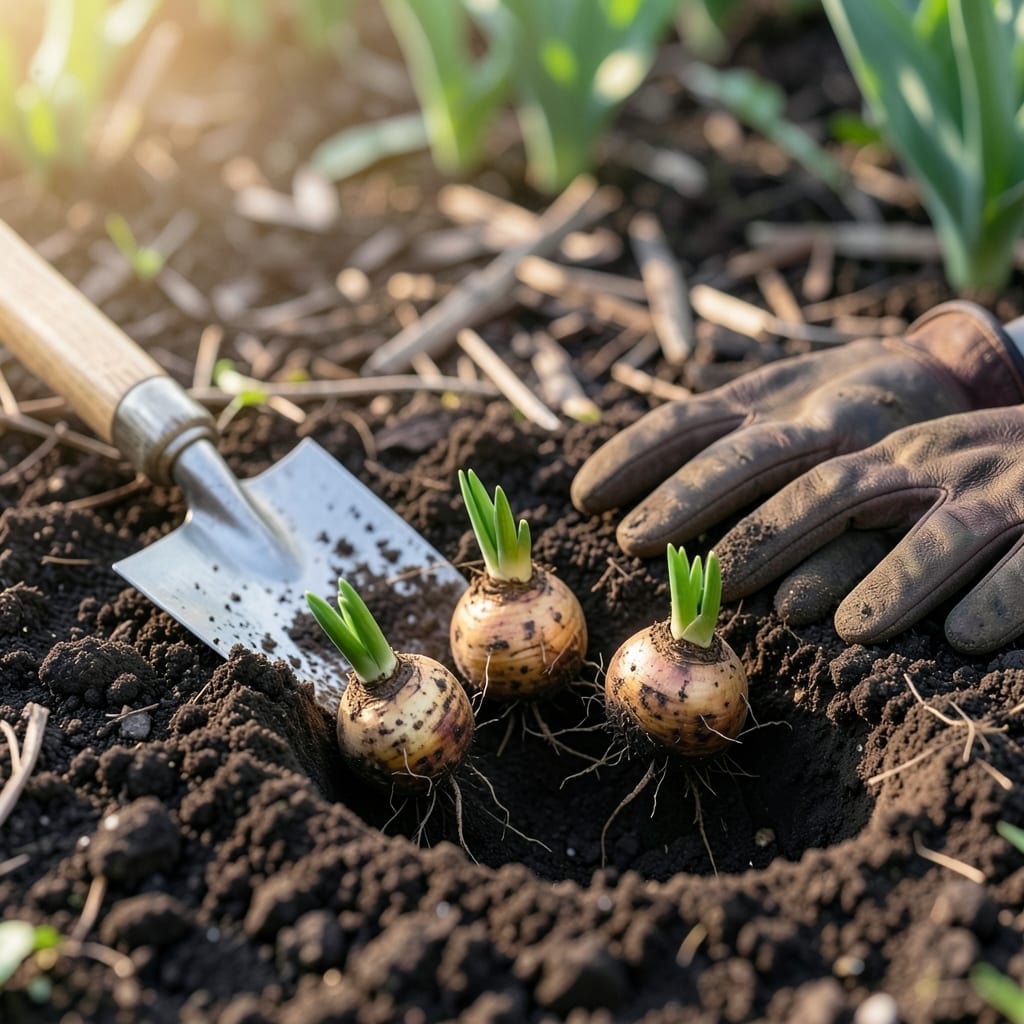
Timing is everything when planting Bulbs in Central Texas—plant too early or too late, and you might miss out on vibrant spring blooms. This guide reveals the perfect window for your favorite 🌷 varieties.
I’ve learned through experience that the unique Texas climate demands precision. The right timing ensures your bulbs establish roots before winter and burst into color come spring.
Whether you’re dreaming of tulips, daffodils, or other classics, knowing when to plant is the key to success. Central Texas gardeners have a narrow but ideal window to get it right.
Let me walk you through exactly when and how to plant for the best results. You’ll be rewarded with a stunning display when warmer weather returns.
If you want vibrant spring blooms in Central Texas, timing your bulb planting is crucial. The ideal window falls between September and November, when soil temperatures drop below 60°F. This ensures bulbs like tulips and daffodils establish roots before winter.
Central Texas’s USDA Zone 8a climate means we enjoy mild winters but must account for unpredictable heatwaves. Planting too early can expose bulbs to disease, while late planting risks poor root development. 🌱
| Bulb Type | Ideal Planting Month | Soil Temp Requirement |
|---|---|---|
| Daffodils | October | Below 60°F |
| Tulips | November | 55-60°F |
| Hyacinths | Late October | Below 60°F |
| Crocus | September-October | 55-60°F |
I always recommend testing soil temperature with a thermometer at 6-inch depth. If it’s still above 60°F in October, wait a week or two. Daffodils are the most forgiving, but tulips need that cold period to thrive.
In Austin and San Antonio, microclimates can vary. Areas near urban heat islands may require later planting. Conversely, rural zones might allow for earlier planting by a few weeks.
The key is vernalization—a cold treatment that triggers spring blooming. Without 12-16 weeks of chilling, bulbs like tulips may fail to flower. That’s why September planting is rarely successful here.
For clay-heavy soils common in Central Texas, I suggest amending with compost to improve drainage. Bulbs rot easily in soggy soil, so raised beds are a great alternative if your yard has poor drainage. 🌿
If you’re planting native bulbs like bluebonnets, adjust your timeline. These thrive with early fall planting, as they’re adapted to Texas conditions. However, non-native bulbs need the cooler late-fall window.
Finally, mark your planting dates on a calendar. I’ve found that October 15–November 15 works best for most spring-blooming bulbs in our region. This gives them enough time to establish roots before the first hard frost, typically around November 30. ☀️
If you’re wondering when to plant bulbs in Central Texas, I’ve got you covered. The ideal window varies by bulb type, but most thrive when planted in early to late fall. This ensures they get the chill hours needed for spring blooms.
For example, daffodils do best in October, while tulips prefer November. Paperwhites, however, can be planted in late fall for winter blooms.
I always remind gardeners that soil temperature matters more than calendar dates. Aim for 60°F or below at planting depth to trigger root growth. Central Texas’ mild winters make this timing flexible.
For clay-heavy soils common in the region, I recommend amending with compost or sand to improve drainage. This prevents bulb rot during wet periods.
Don’t forget to mulch after planting to insulate the soil and retain moisture. This is especially important in Central Texas’ unpredictable weather, where a late heatwave can stress new plantings.
Finally, mark your planting spots with small flags or sticks. This helps you avoid accidentally disturbing the bulbs while they’re establishing roots over winter.
With this schedule, you’ll enjoy a vibrant spring display that’s worth the effort 🌷