
Beautiful Plants For Your Interior
Beautiful Plants For Your Interior
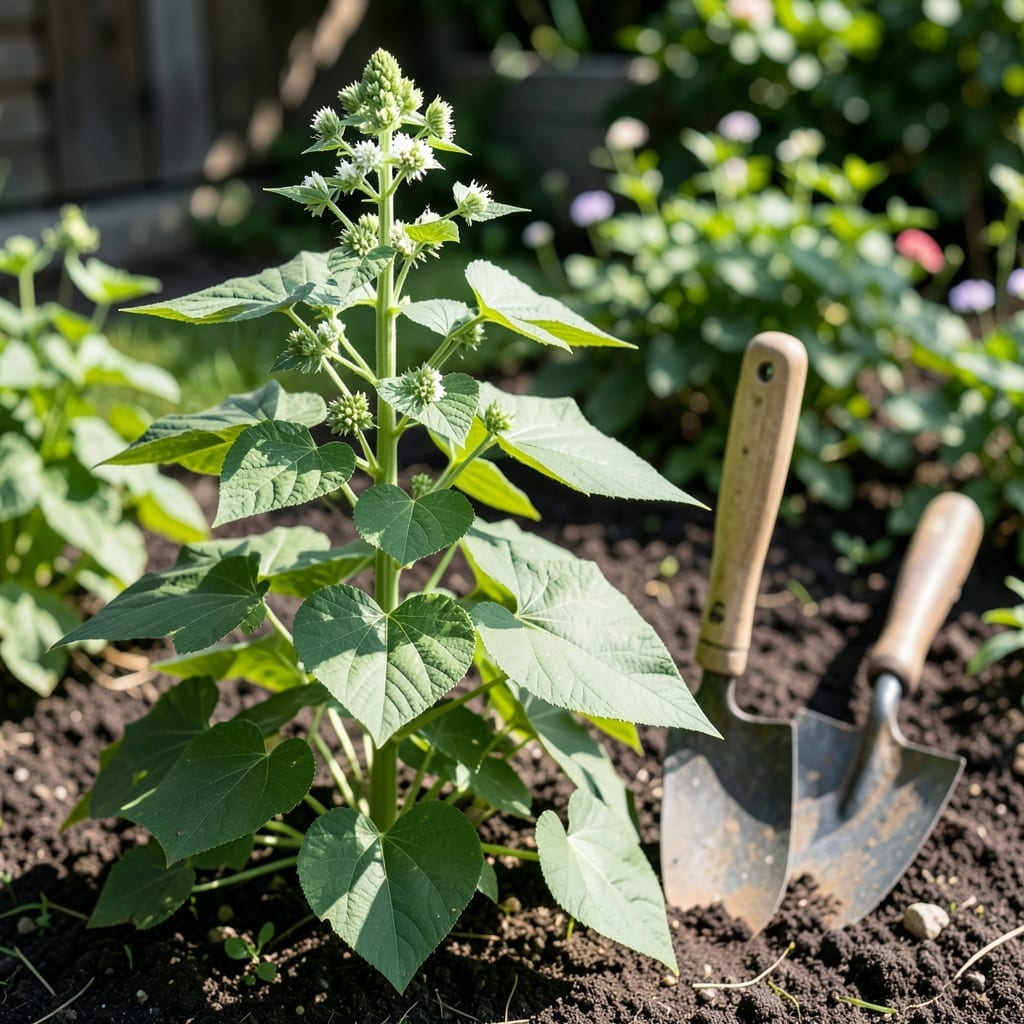
Timing is everything when it comes to planting Buckwheat in Pennsylvania. This fast-growing cover crop thrives in warm weather, but planting too early or too late can sabotage your harvest.
In zones 6a-7b, the sweet spot is late spring through early summer. I’ve seen gardeners struggle with buckwheat by jumping the gun in April or waiting too long into July.
Discover how to align your planting with PA’s climate for the best results. The difference between a mediocre yield and a bumper crop often comes down to just a few weeks.
Let me walk you through the ideal window for Buckwheat success in your backyard. You’ll be amazed how simple timing changes can transform your harvest.
Pennsylvania spans USDA zones 5-7, which means buckwheat timing varies slightly across the state. In zone 6a-7b, the sweet spot is late May to early June, after the last frost has passed.
Buckwheat is a warm-season crop that needs soil temps of 50°F+ to germinate properly. Planting too early in cold soil leads to poor sprouting and stunted growth.
| Zone | Planting Window | Last Frost Date |
|---|---|---|
| 5a-5b | Mid-May to June | May 1-10 |
| 6a-6b | Late April to May | April 15-30 |
| 7a-7b | Early April to May | April 1-15 |
In southern PA (zone 7), I’ve had success planting as early as mid-April if the weather is warm. But in northern areas (zone 5), it’s safer to wait until late May.
Buckwheat matures in 60-90 days, so timing your planting ensures a full harvest before the first fall frost. In zone 6, aim for late June harvests to avoid early frosts.
For a second crop, plant buckwheat again in late July to early August. This works best in warmer zones where the growing season is longer.
Always check soil temperature with a thermometer before planting. If it’s below 50°F, wait a few more days for optimal germination.
In my experience, well-draining soil is key. Buckwheat doesn’t like waterlogged conditions, so avoid planting in low-lying areas.
If you’re using buckwheat as a cover crop, plant it in late summer to suppress weeds and improve soil health before winter.
For best results, plant in full sun—buckwheat needs 6+ hours of sunlight daily to thrive. Shady spots will lead to leggy, weak plants.
Remember, buckwheat is drought-tolerant once established, but consistent moisture is crucial during the first few weeks after planting.
By following these zone-specific guidelines, you’ll maximize your buckwheat yield in Pennsylvania 🌾
For the best buckwheat results in Pennsylvania, I always wait until soil temps hit 50°F. This usually falls in late May for most of the state. The seeds won’t germinate well in cold ground.
I’ve found that 1-1.5 inch depth and 15-20 inch spacing works perfectly in PA’s climate. This gives each plant enough room to branch out without competing too much.
Pennsylvania’s summer heat actually benefits buckwheat. I water deeply once a week unless we get a good rain. The plants are surprisingly drought-tolerant once established.
For a second crop, I plant again in mid-July. This takes advantage of buckwheat’s fast 60-70 day growth cycle before fall frost hits most of PA.
I always avoid fertilizing buckwheat. It’s a light feeder and too much nitrogen can reduce seed production. PA’s native soils usually provide enough nutrients for this hardy crop.
Remember that full sun is non-negotiable. I’ve tried partial shade and the plants get leggy with poor seed set. Stick to your sunniest spot for the best PA buckwheat harvest. ☀️