
Beautiful Plants For Your Interior
Beautiful Plants For Your Interior
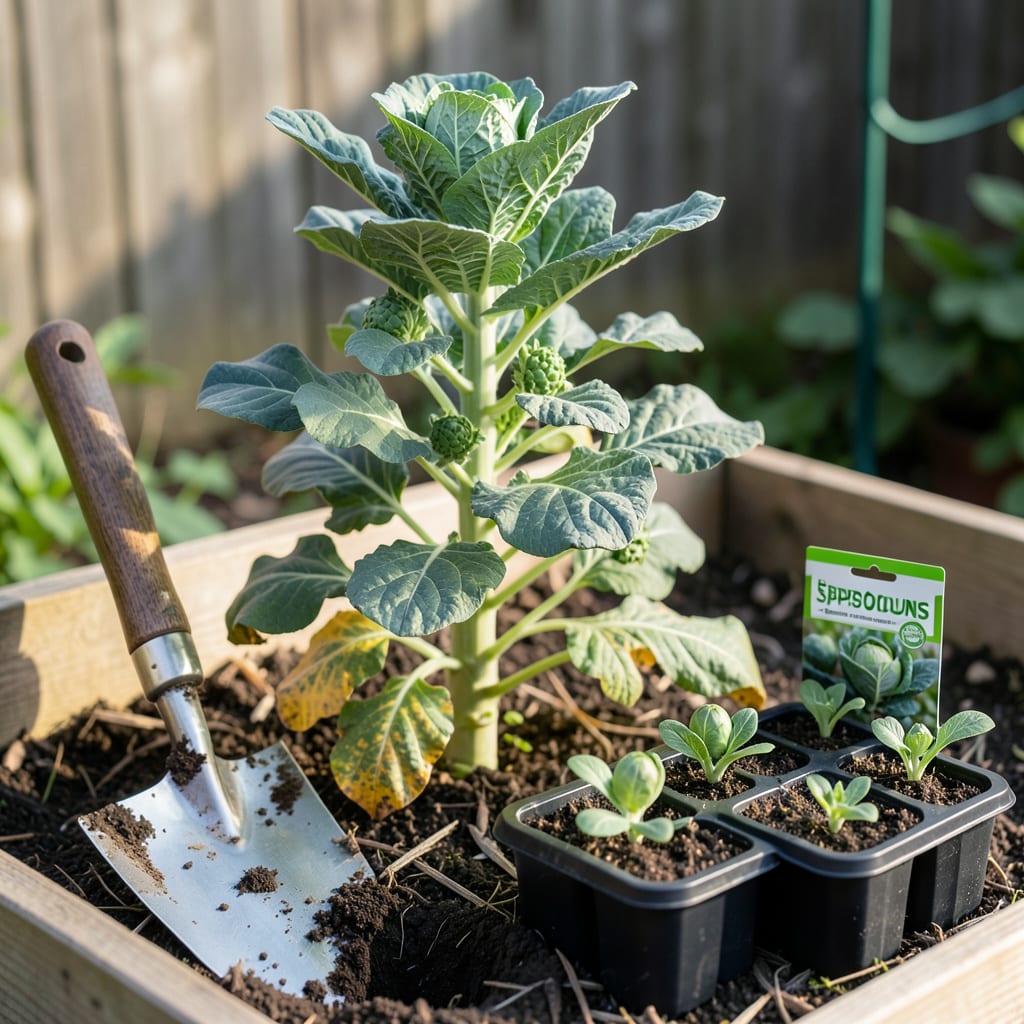
Georgia’s heat can turn Brussels sprouts into bitter disappointments—or crisp, sweet rewards. The difference? Perfect timing that works with the state’s wild temperature swings, not against them.
I’ve seen gardeners struggle with stunted plants in summer and bolting sprouts in spring. But here’s the good news: With the right fall and spring windows, you’ll harvest firm, flavorful 🌱 Brussels sprouts even beginners can master. Let’s break down the exact calendar Georgia growers swear by.
Georgia’s climate is a double-edged sword for Brussels sprouts. These cool-weather lovers thrive in temperatures between 60–65°F, making timing everything. Plant too early in spring, and they’ll bolt prematurely when summer heat hits. Wait too late in fall, and they won’t mature before frost.
I’ve found that Georgia gardeners have two viable windows: a fall planting (the gold standard) and a trickier spring planting. The key is working around our hot summers and mild winters. Let’s break down the exact dates by region—because what works in North Georgia won’t always fly in South Georgia.
| Region | Fall Planting | Spring Planting | Harvest Window |
|---|---|---|---|
| North Georgia (Zones 7a–8a) | Start seeds: June 20–July 10 Transplant: Aug 1–20 |
Start seeds: Jan 15–Feb 1 Transplant: March 1–15 |
Nov–Dec (fall) May–June (spring) |
| Central Georgia (Zone 8b) | Start seeds: July 1–20 Transplant: Aug 10–30 |
Start seeds: Feb 1–15 Transplant: March 10–25 |
Dec–Jan (fall) June (spring) |
| South Georgia (Zone 9a) | Start seeds: July 15–Aug 1 Transplant: Aug 25–Sep 10 |
Start seeds: Feb 15–March 1 Transplant: March 20–April 5 |
Jan–Feb (fall) June–July (spring) |
Pro Tip: Fall plantings yield sweeter sprouts—light frosts enhance flavor! Spring crops risk bitterness if temps exceed 80°F.
For fall plantings, I always recommend starting seeds indoors 6–8 weeks before transplanting. This gives your sprouts a head start before Georgia’s summer heat fades. Use a well-draining seed mix and keep soil moist but not soggy. Once seedlings have 4–6 true leaves, harden them off for a week before moving them outside.
The spring window is riskier but doable if you’re vigilant. Start seeds indoors in late January (earlier in South Georgia) and transplant as soon as soil is workable. Watch the 10-day forecast—if nights dip below 25°F, protect plants with frost blankets. Spring-planted sprouts often mature as temps rise, so harvest immediately when sprouts firm up.
Here’s a trick I swear by: succession planting. In North Georgia, I’ll transplant a new batch every 2 weeks from early August through early September. This staggers the harvest, so I’m not overwhelmed with 50 sprouts all at once. In South Georgia, you can push this window slightly later, but don’t delay past September 15—sprouts need 90–120 days to mature.
Soil prep matters just as much as timing. Brussels sprouts crave rich, loamy soil with a pH of 6.0–7.5. Work in 2–3 inches of compost before planting, and add a balanced fertilizer (like 10-10-10) at transplanting. Mulch heavily with straw or shredded leaves to keep roots cool—this is critical for fall crops still growing as temps drop.
If you’re in an urban area, watch for heat islands that can raise temps by 5–10°F. I’ve seen Atlanta gardeners struggle with spring plantings because pavement radiates heat. Consider shade cloth (30–40% density) if your garden bakes in afternoon sun. Conversely, rural gardeners in higher elevations (like the Blue Ridge) may need to adjust dates 2 weeks earlier for fall plantings.
Don’t forget about daylight hours. Brussels sprouts need 6–8 hours of sun daily, but in Georgia’s summer, afternoon shade can prevent heat stress. I position my rows north-south so plants get morning sun and afternoon relief. For spring crops, full sun is fine—just ensure consistent moisture to prevent bitter-tasting sprouts.
Finally, variety selection can shift your timeline. Early maturers like ‘Oliver’ (90 days) are great for spring, while ‘Long Island Improved’ (110 days) shines in fall. In South Georgia, I’d avoid late-season varieties—they may not size up before winter. Check seed packets for “days to maturity” and count backward from your first frost date.
Remember,
Planting Brussels sprouts in Georgia isn’t just about picking dates—it’s about understanding how soil temperature, daylight exposure, and variety selection interact with our climate. I’ve seen gardeners follow the calendar perfectly yet still struggle because they missed these key factors.
First, soil temperature is your secret weapon. Brussels sprouts germinate best when soil is 60–65°F, but they’ll sulk if roots bake in 80°F+ dirt. In Georgia, this means morning sun is your friend, while afternoon shade can be a lifesaver for fall crops.
Pro Tip: In urban areas, soil temps can be 5–10°F hotter—adjust planting dates accordingly.
Daylight hours play a bigger role than most realize. Brussels sprouts need 6–8 hours of sun to form tight heads, but in Georgia’s summer, afternoon shade prevents heat stress. I position my rows north-south so plants get morning sun and afternoon relief. For spring crops, full sun is fine—just watch for bolting as days lengthen.
Variety selection can make or break your harvest. Early maturers like ‘Oliver’ (90 days) are ideal for spring, while ‘Long Island Improved’ (110 days) thrives in fall. In South Georgia, I avoid late-season varieties—they often won’t size up before winter. Always check the “days to maturity” and count backward from your first frost date.
Microclimates matter too. Urban gardens with heat islands may need to plant 2 weeks later in fall, while rural high-elevation areas (like Blue Ridge) should plant 2 weeks earlier. I’ve seen Atlanta gardeners lose spring crops to premature bolting because pavement radiated heat. If your garden bakes, consider 30% shade cloth for afternoon protection.
Finally, soil prep directly impacts timing success. Brussels sprouts need well-draining soil with a pH of 6.0–7.5. I work in 2–3 inches of compost before planting and mulch with straw to keep roots cool. In fall, this mulch also retains moisture as temps drop. For spring plantings, a balanced fertilizer (10-10-10) at transplanting gives them a boost before summer heat hits.
Planting Brussels sprouts off-schedule in Georgia isn’t just a minor mistake—it can mean the difference between sweet, crisp sprouts and a bitter, stunted crop. I’ve seen gardeners lose entire plantings because they ignored Georgia’s temperature swings and daylength changes. Let’s break down the risks.
Plant too early in spring, and your sprouts will bolt prematurely when Georgia’s heat arrives. Once temps hit 80°F+, plants shift from growing sprouts to producing flowers and seeds. The result? Tiny, bitter-tasting buds that are barely worth harvesting. I’ve had spring plantings turn into towering stalks with no edible sprouts.
Early Spring Planting
❌ Bolting in heat
❌ Bitter sprouts
❌ Premature flowering
Late Fall Planting
❌ Stunted growth
❌ Frost damage
❌ No mature sprouts
Solution: Use shade cloth for heat or row covers for cold!
Wait too late for fall planting, and your sprouts won’t mature before frost. Brussels sprouts need 90–120 days to reach harvest. If you transplant after September 15 in most of Georgia, you’ll end up with tiny, underdeveloped sprouts when winter hits. In South Georgia, you can push this to early October, but don’t risk it.
Even if you hit the timing right, heat waves can still ruin your crop. When temps exceed 85°F, sprouts grow loose and bitter. I combat this with 30% shade cloth during peak afternoon heat. For unexpected cold snaps, keep frost blankets handy—Brussels sprouts can handle light frosts (which actually sweetens them!), but hard freezes will damage leaves.
If you’ve already planted at the wrong time, don’t panic. For heat-stressed plants, increase watering to daily deep soaks and add mulch to cool roots. For late fall plantings, use low tunnels or cloches to extend the season. I’ve saved many a crop by being proactive with protection.
Remember, Brussels sprouts are cool-season warriors—they thrive in 60–70°F days and 50–60°F nights. When Georgia’s weather refuses to cooperate, sometimes the best solution is to pull the plants and replant at the next optimal window. Your patience will pay off with perfect sprouts! 🌱
No, summer is the worst time for Brussels sprouts in Georgia. They thrive in 60–65°F and will bolt or turn bitter when temps exceed 80°F. Stick to fall plantings (transplant in August–September) or early spring with shade protection.
In most of Georgia, transplant by September 15 to ensure maturity before hard frost. South Georgia gardeners can push this to early October, but later plantings risk stunted growth. Count backward 90–120 days from your first frost date.
For spring, choose fast-maturing types like ‘Oliver’ (90 days). For fall, ‘Long Island Improved’ (110 days) or ‘Diablo’ (105 days) handle Georgia’s temperature swings better. Always check the “days to maturity” label.
Bitterness comes from heat stress when temps climb above 75°F. Spring crops often mature as Georgia warms, so harvest immediately when sprouts firm up. For sweeter flavor, focus on fall plantings—light frosts actually improve taste!
Always start seeds indoors 6–8 weeks before transplanting. Georgia’s summers are too hot for direct sowing, and spring soil is often too cold. Use a well-draining seed mix and harden off seedlings before moving them outside.
