
Beautiful Plants For Your Interior
Beautiful Plants For Your Interior
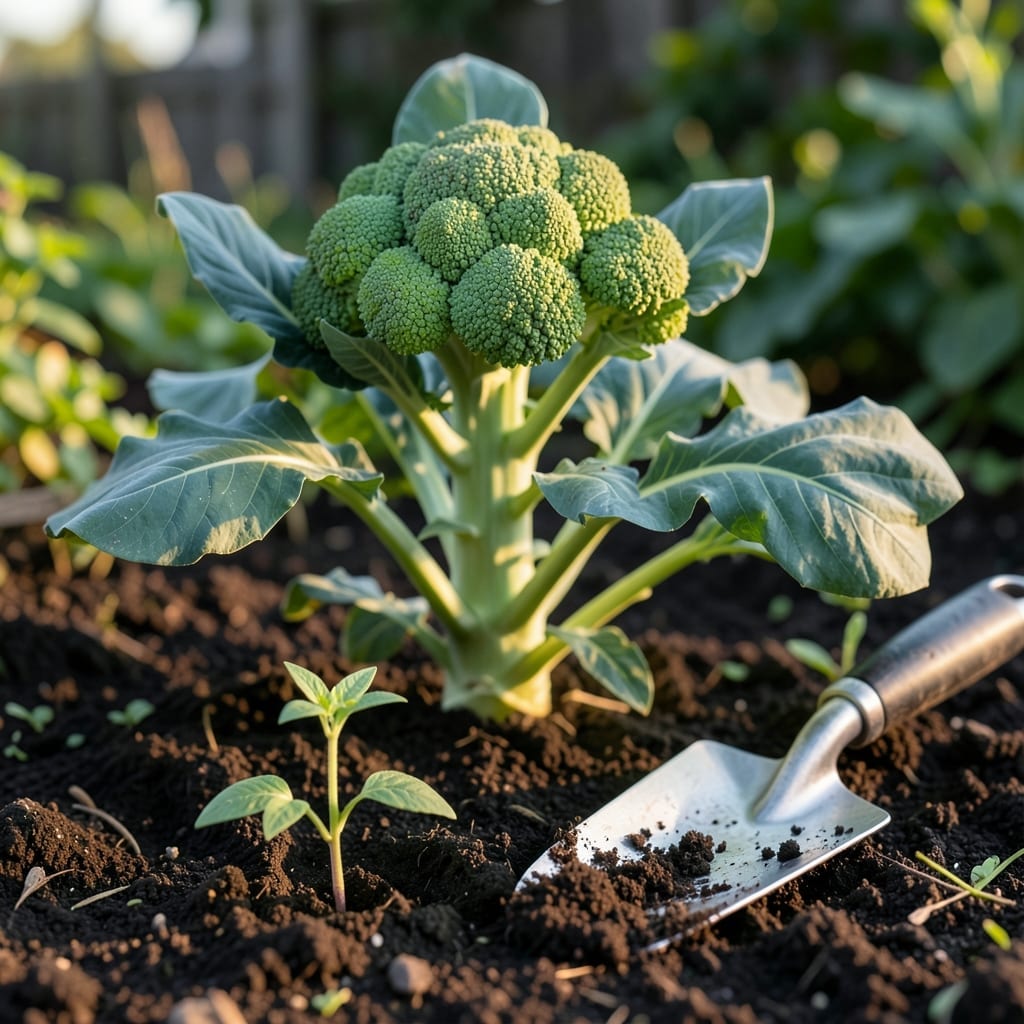
Timing is everything when it comes to growing Broccoli 🥦—plant too late and you’ll miss the cool weather this crop craves. I learned this the hard way my first season.
This cool-season vegetable thrives when temperatures stay between 40-70°F, making spring and fall the ideal windows. Whether you’re in zone 6 or elsewhere, nailing the timing means the difference between a bountiful harvest and disappointment.
Discover the exact planting schedule that works for your climate and learn how to extend your harvest with simple succession techniques. Let’s get started.
Getting broccoli timing right starts with knowing your USDA hardiness zone. In cooler zones like 3-5, I start seeds indoors 6-8 weeks before the last frost date.
For zones 6-7, you can direct sow seeds 2-3 weeks before the last frost or start indoors earlier for a head start. This gives plants time to mature before summer heat arrives.
| Zone | Spring Planting | Fall Planting |
|---|---|---|
| 3-5 | Start indoors 8-10 weeks before last frost | Direct sow 12-14 weeks before first frost |
| 6-7 | Direct sow 2-3 weeks before last frost | Direct sow 10-12 weeks before first frost |
| 8-10 | Plant January-February for early spring harvest | Plant September-October for winter harvest |
In warmer zones like 8-10, broccoli thrives as a winter crop. Plant in early fall for harvests through winter and into spring.
Remember that broccoli hates heat. Temperatures above 75°F can cause premature bolting, so timing is crucial for sweet, tender heads.
For fall planting, count backward from your first frost date. Most varieties need 60-80 days to mature, so plan accordingly.
I’ve found that succession planting every 2-3 weeks extends the harvest season significantly. This works especially well in zones with long cool seasons.
Soil temperature matters too. Broccoli seeds germinate best at 40-85°F, with 70-75°F being ideal for quick sprouting.
In my experience, using a soil thermometer takes the guesswork out of planting. It’s a small investment that prevents costly timing mistakes.
Don’t forget to harden off seedlings before transplanting. This gradual exposure to outdoor conditions prevents shock and ensures stronger plants.
Finally, watch the weather forecast. A late frost can damage young plants, while an early heatwave can ruin your harvest. Adjust your timing as needed.
🌱I’ve found that succession planting is the secret to enjoying fresh broccoli all season long. By staggering plantings every 2-3 weeks, you can avoid the feast-or-famine cycle.
This method works especially well in zones with long cool seasons. Start with an early variety, then follow with a mid-season type, and finish with a late-maturing cultivar.
For spring planting, I begin with transplants started indoors, then direct sow seeds every 2 weeks until temperatures rise above 75°F.
In fall, start your first planting 10-12 weeks before your first frost date. Then add new plantings every 2 weeks until it’s too late for mature harvests.
I recommend keeping a garden journal to track planting dates and harvest times. This helps refine your schedule each year for better results.
Spacing is crucial with succession planting. Thin seedlings to 12-18 inches apart to prevent competition and ensure healthy growth.
🌱