
Beautiful Plants For Your Interior
Beautiful Plants For Your Interior
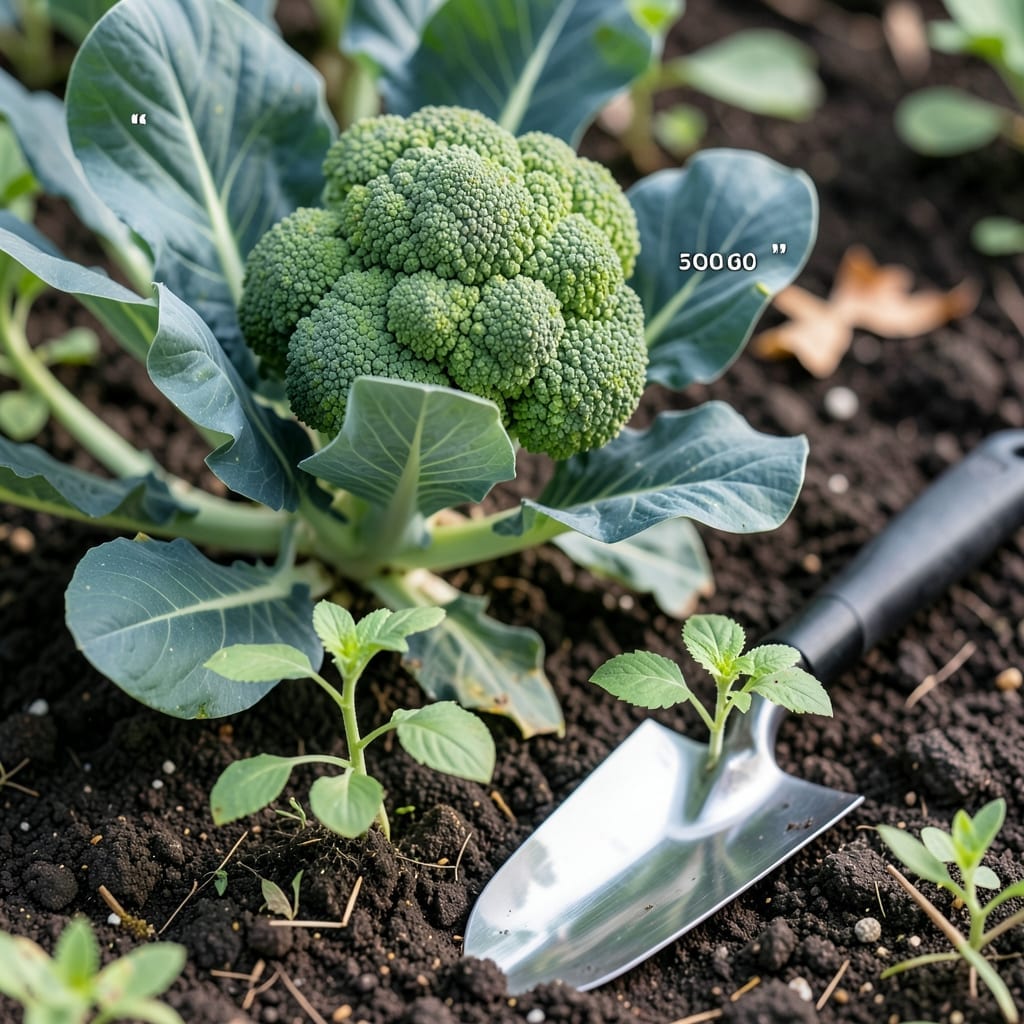
Timing is everything when planting Broccoli in South Carolina’s Zone 8 climate. Plant too early or too late, and you’ll miss the ideal cool-weather window this crop thrives in.
The Palmetto State’s unique seasons offer two prime opportunities to grow this nutritious veggie. Whether you’re a first-time gardener or a seasoned pro, knowing these windows can make or break your harvest.
I’ve tested various planting schedules in my own garden, and the results might surprise you. The key lies in working with South Carolina’s temperature patterns rather than against them.
Let me walk you through the best times to get your 🥦 Broccoli in the ground and what to watch for in our region’s ever-changing weather.
In South Carolina’s Zone 8, broccoli thrives in cool weather, so timing is critical. The spring planting window runs from February to March, while the fall window is August to September. These periods avoid the extreme heat that causes bolting.
Broccoli prefers temperatures between 60°F and 70°F for optimal growth. Planting too late in spring or too early in fall can expose your crop to heat stress or early frosts, both of which reduce yields.
| Season | Planting Time | Harvest Window | Key Notes |
|---|---|---|---|
| Spring | Feb–March | May–June | Start seeds indoors 6–8 weeks before last frost. |
| Fall | Aug–Sept | Oct–Nov | Direct sow or transplant 10–12 weeks before first frost. |
| Zone | 7b–8a | Frost-Free Days | 210 days |
For spring planting, I recommend starting seeds indoors in January to get a head start. This ensures your broccoli seedlings are ready to transplant by late February or early March, just as the soil begins to warm.
In fall, direct sowing works well in August, but you can also transplant seedlings started in July. This timing allows broccoli to mature before November’s first frost, which typically arrives around November 15 in Zone 8.
Soil temperature is another key factor. Broccoli seeds germinate best in soil temps between 60°F and 85°F. Use a soil thermometer to check conditions before planting, especially in early spring when the ground may still be cold.
Succession planting can extend your harvest. Sow a new batch of seeds every 2–3 weeks during the planting windows. This staggered approach ensures a continuous supply of fresh broccoli heads rather than one large harvest.
If you’re new to growing broccoli, I suggest choosing heat-tolerant varieties like ‘Waltham 29’ or ‘Green Magic’. These can handle South Carolina’s humidity better than standard types and resist bolting in warmer conditions.
Remember, broccoli is a heavy feeder, so amend your soil with compost or aged manure before planting. A balanced fertilizer (10-10-10) applied at planting and again when heads begin to form will boost growth.
Finally, keep the soil consistently moist. Broccoli needs 1–1.5 inches of water per week, especially during head formation. Mulching with straw or shredded leaves helps retain moisture and regulate soil temperature. ☀️
In South Carolina’s Zone 8, you can enjoy two broccoli harvests per year with smart planning. I’ve found that succession planting is key to keeping fresh heads coming from your garden.
Start your first crop in early February indoors, then transplant in March. For a fall harvest, sow seeds in late July to early August for a November harvest before frost.
I always recommend choosing fast-maturing varieties for fall planting. Varieties like ‘De Cicco’ can produce heads in as little as 50-60 days, perfect for beating the frost.
Another trick I use is planting in raised beds. They warm up faster in spring and drain better during heavy rains, which broccoli hates. Plus, you can control soil quality more easily.
Don’t forget to monitor soil temperature. Broccoli seeds germinate best at 70-85°F, but plants thrive in 60-70°F air temps. A soil thermometer is a cheap tool that prevents guesswork.
With these techniques, I’ve extended my broccoli season by up to 6 weeks in both spring and fall. The key is staying ahead of temperature swings and giving plants the cool conditions they love 🌱