
Beautiful Plants For Your Interior
Beautiful Plants For Your Interior
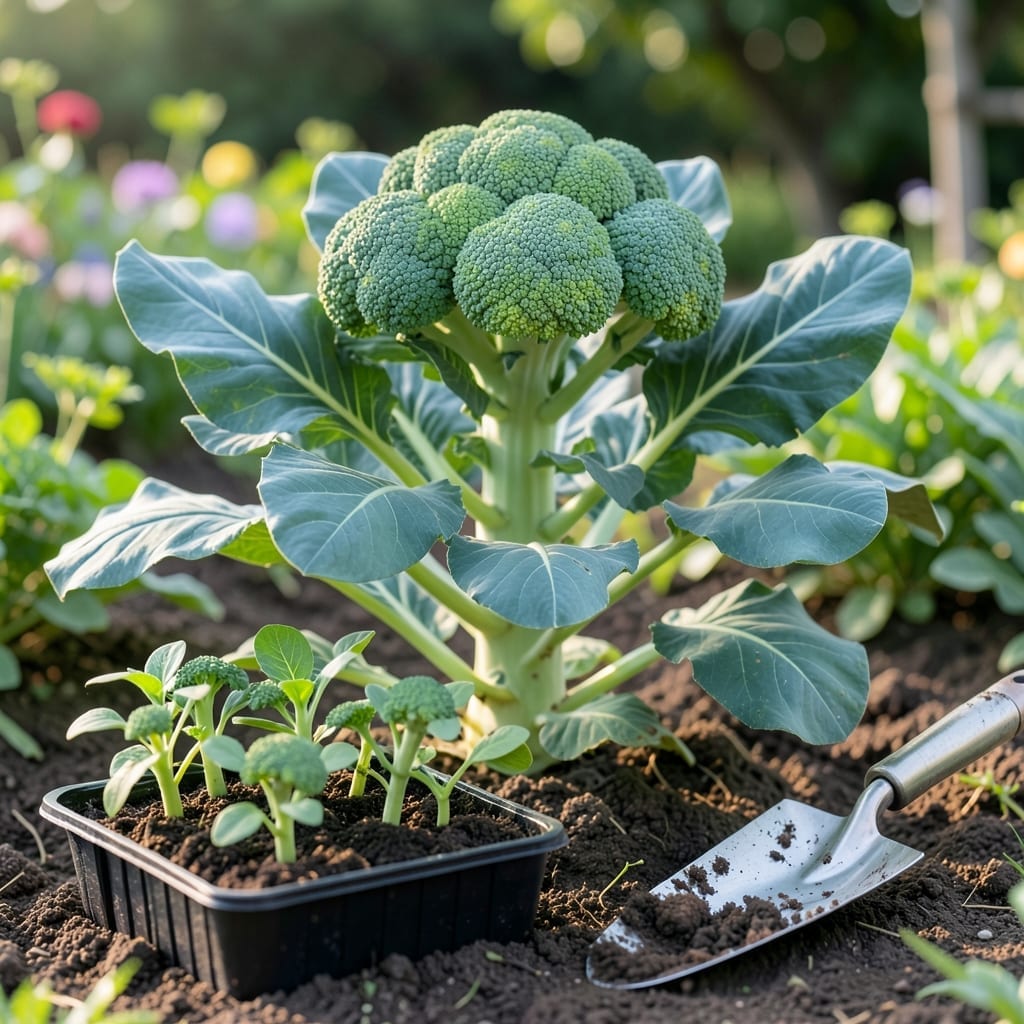
Timing is everything when growing Broccoli in North Carolina’s unique climate. Plant too early or too late, and you risk poor growth or premature bolting before harvest.
In Zone 7a-8b, the spring and fall windows are your best bet for success. These periods avoid the extreme heat that can stress young plants.
I’ve tested various planting schedules in my own garden, and the results speak for themselves. The right timing makes all the difference in yield and quality.
Discover the exact windows to plant 🥦 Broccoli for a thriving harvest in North Carolina. Let’s get started.
North Carolina’s Zone 7 climate offers two ideal windows for planting broccoli. The first is in early spring, when cool temperatures prevent bolting. The second is in late summer for a fall harvest.
For spring, aim to direct-sow seeds 2-3 weeks before the last frost date, typically around March 1-15. For fall, plant 85-100 days before the first frost, usually August 1-15. 🌱
| Season | Planting Method | Timing | Harvest Window |
|---|---|---|---|
| Spring | Direct-sow | March 1-15 | May-June |
| Spring | Transplant | April 1-15 | May-June |
| Fall | Direct-sow | August 1-15 | October-November |
| Fall | Transplant | September 1-10 | October-November |
Spring planting benefits from cool soil and mild air temperatures, which broccoli loves. However, avoid planting too early in cold, wet soil, as seeds may rot before germinating.
For fall planting, timing is critical to avoid summer heat. Broccoli struggles in temperatures above 80°F, so aim for mature plants before the first frost in mid-October.
If starting indoors, sow seeds 6-8 weeks before transplanting. This gives seedlings a head start and ensures stronger plants when moved to the garden bed. Keep soil consistently moist but not soggy.
Soil temperature is another key factor. Broccoli seeds germinate best in 40-80°F soil. Use a soil thermometer to check conditions before planting. If the soil is too cold, consider using row covers to warm it up.
Frost tolerance is a major advantage for broccoli. Young plants can handle light frosts, which actually enhance flavor. However, hard frosts below 25°F can damage or kill plants, so plan accordingly.
For both seasons, choose a sunny location with at least 6-8 hours of sunlight daily. Broccoli thrives in well-draining, fertile soil with a pH between 6.0-7.0. Amend with compost before planting for best results.
Spacing matters too. Plant seeds ½ inch deep and 3 inches apart, thinning to 18-24 inches once seedlings emerge. This gives each plant enough room to develop a strong root system and large heads. 🌿
Getting the timing right is just the start. I’ve learned that soil preparation makes or breaks a broccoli crop in North Carolina’s unpredictable weather. Well-draining, fertile soil with a pH of 6.0-7.0 gives plants the best foundation. 🌱
Another critical factor is variety selection. Some broccoli types handle heat better than others. I recommend ‘Packman’ for early spring or ‘Waltham 29’ for fall plantings. These perform reliably in Zone 7 conditions.
In my experience, sun exposure is often overlooked. Broccoli needs full sun but can tolerate partial shade in North Carolina’s intense summer. However, too much shade leads to leggy plants and poor head formation. ☀️
Watering consistently is crucial, especially during head formation. I use drip irrigation to keep foliage dry and prevent disease. Aim for 1-1.5 inches of water per week, adjusting for rainfall. 💧
Don’t forget about pest prevention. Cabbage worms love broccoli as much as we do. I’ve had great success with floating row covers and regular inspections. Catching pests early saves your crop.
Finally, proper spacing ensures good airflow, reducing disease risk. I plant my broccoli 18-24 inches apart in rows 3 feet apart. This gives each plant room to thrive. 🌿