
Beautiful Plants For Your Interior
Beautiful Plants For Your Interior
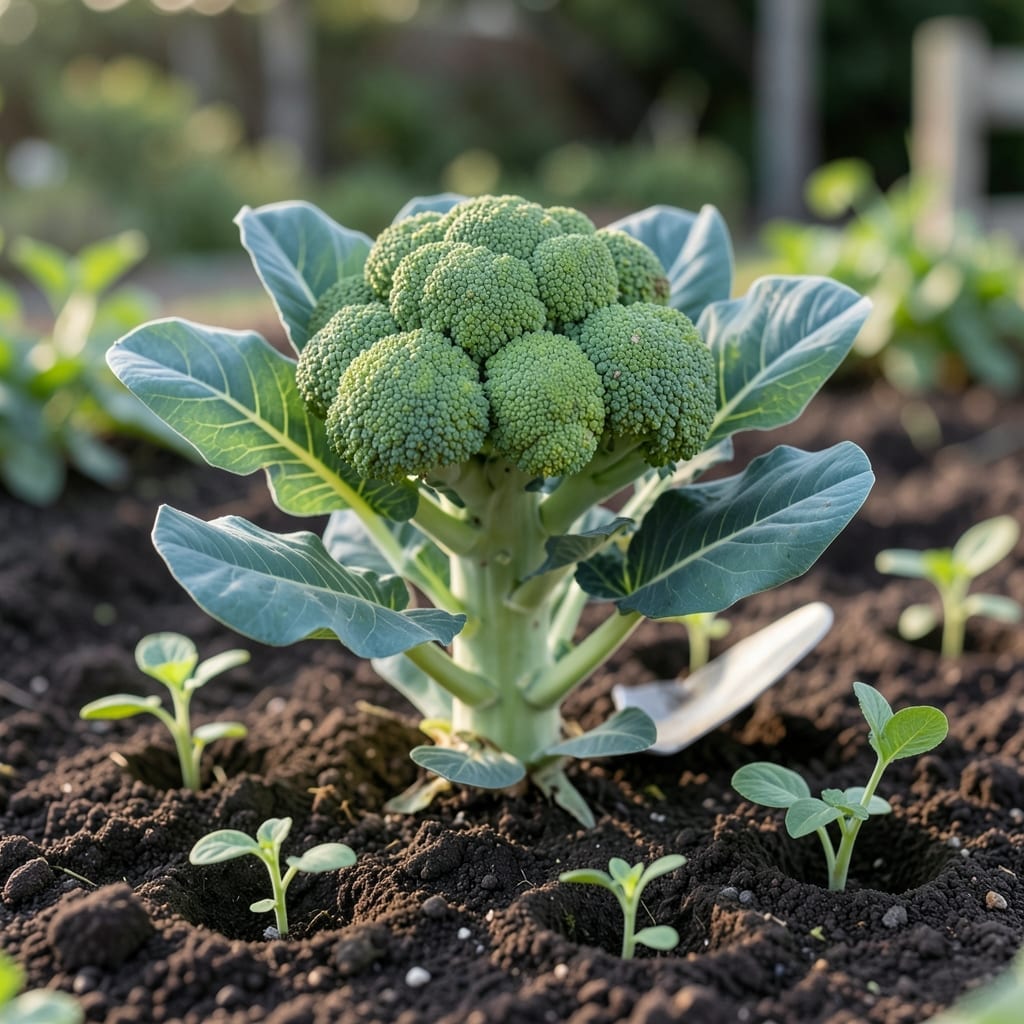
Timing is everything when growing 🥦 Broccoli in North Carolina. Plant too early, and summer heat will stunt your crop before it gets going.
Plant too late, and that first autumn frost could wipe out your harvest overnight. It’s a delicate balance every gardener in zones 7b-8a knows all too well.
I’ve learned through trial and error that there’s a perfect window for fall planting that gives your broccoli the best chance to thrive.
Let me share exactly when to get those seeds or seedlings in the ground for a bountiful harvest from October through December.
Timing your fall broccoli planting in North Carolina is crucial for a bountiful harvest. The state’s diverse climate zones mean planting dates vary from the coastal plains to the mountain regions. I’ll break down the best windows for each area.
North Carolina’s first frost dates range from early October in the mountains to early November along the coast. Broccoli typically takes 55-75 days to mature, so planning backward from your area’s frost date is key. This ensures your broccoli plants have enough time to develop before cold weather hits.
| Region | Planting Window | First Frost Date | days to Maturity |
|---|---|---|---|
| Mountains | Mid-July to Early August | October 1-15 | 70-75 |
| Piedmont | Late July to Mid-August | October 15-30 | 60-70 |
| Coastal Plains | Early to Mid-August | November 1-10 | 55-65 |
For the mountain region, where frost arrives earliest, start your broccoli seeds indoors around early June for an early July transplant. This gives plants enough time to establish roots before cooler temperatures slow growth.
In the Piedmont area, including cities like Raleigh and Charlotte, aim to direct sow seeds or transplant seedlings by mid-August. This timing helps avoid the summer heat stress while ensuring a harvest before frost.
The coastal plains enjoy a longer growing season, so you can plant as late as mid-August for a harvest that extends into early December. The milder fall weather here is ideal for broccoli development.
If you prefer transplanting seedlings, start seeds indoors 6-8 weeks before your planned outdoor planting date. This method gives you more control over early growth and can lead to stronger plants.
Remember, soil temperature is also important. Broccoli seeds germinate best in soil temps between 60-70°F. In the heat of summer, consider using shade cloth to protect young plants.
For those in urban areas with microclimates, observe your specific conditions. A south-facing garden might warm up faster, allowing for slightly later planting. Always check your local frost dates for the most accurate timing.
By following these regional guidelines, you’ll maximize your chances of a successful broccoli harvest in North Carolina’s fall season. The key is to work backward from your first frost date and adjust for your specific growing conditions. 🌱
Preparing your soil properly is half the battle for successful fall broccoli in North Carolina. I always start by testing my soil pH, aiming for 6.0-7.0 for optimal nutrient uptake.
Broccoli thrives in well-draining soil rich in organic matter. I work in 2-3 inches of compost or aged manure before planting to boost fertility.
For seedlings, I recommend starting indoors 6-8 weeks before your planned transplant date. This gives them a head start before the cooler fall weather arrives.
When transplanting, I space my broccoli 18-24 inches apart to allow for good air circulation. This helps prevent disease and ensures each plant gets enough nutrients.
Don’t forget about watering needs. Broccoli requires 1-2 inches of water per week. I water deeply in the morning to keep foliage dry and prevent fungal issues.
Finally, consider using row covers to protect young plants from early cold snaps. This simple step can extend your growing season by several weeks. 🌱