
Beautiful Plants For Your Interior
Beautiful Plants For Your Interior
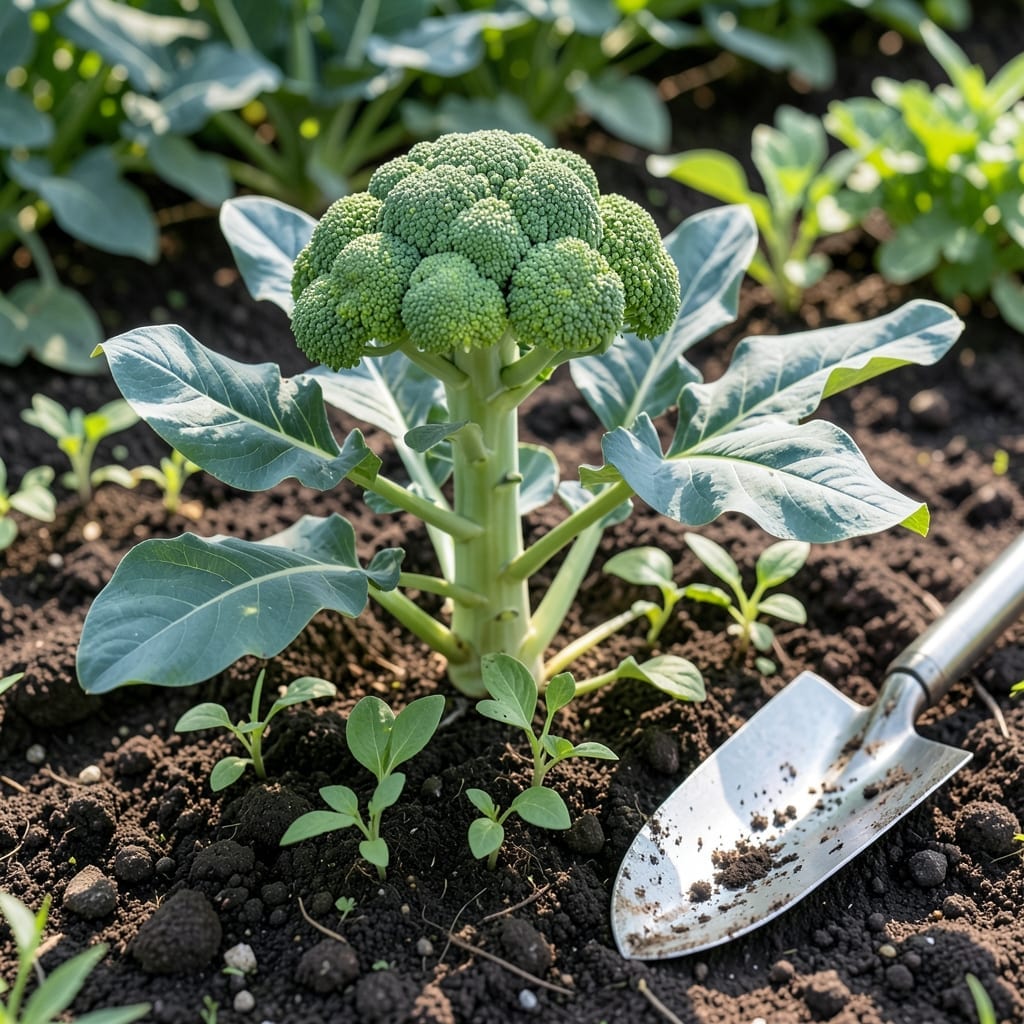
Broccoli thrives in Minnesota’s cool climate, but timing is everything for a bountiful harvest. Plant too early or too late, and you risk stunted growth or bolted heads.
The 🥦 Broccoli plant loves the spring chill of Zone 4a, yet many gardeners miss the perfect window. I’ve seen firsthand how precise timing can make or break your crop.
Whether you’re a seasoned gardener or just starting out, knowing the ideal planting window is the key to success. Let me walk you through what works best in our Minnesota climate.
From frost dates to soil temperature, I’ll share the most important factors to consider. You’ll learn how to set your Broccoli up for a productive growing season.
Minnesota’s Zone 4 climate offers two ideal windows for planting broccoli. This cool-season crop thrives in 40-85°F soil, making spring and fall perfect. I always check the last frost date to time it right.
For spring planting, I aim for 2-3 weeks before the last frost, typically mid-April to early May. Fall planting works best 6-8 weeks before the first frost, usually late July to early August.
| Season | Planting Window | Method |
| Spring | Mid-April to early May | Direct sow or transplant |
| Fall | Late July to early August | Direct sow only |
| Indoor Start | Early March | Seeds indoors |
I start broccoli seeds indoors about 6-8 weeks before the last frost date. This gives my plants a head start before transplanting them outside after hardening off.
For direct sowing, I wait until the soil temperature reaches at least 40°F. In Minnesota, this usually aligns with our mid-April to early May window for spring planting.
Fall planting requires careful timing. I calculate 6-8 weeks before our first frost, which is typically October 1st in most of Minnesota. This means seeding in late July to early August for a fall harvest.
I’ve found that early maturing varieties like ‘De Cicco’ work best for our short growing season. These typically mature in 50-60 days, fitting perfectly within our frost-free window.
Remember, soil preparation is key. I always amend my garden beds with compost before planting. Broccoli prefers well-draining soil with a pH between 6.0 and 7.0.
For spring plantings, I use row covers to protect young plants from late frosts. This extra protection can make the difference between a successful crop and a disappointing one.
In fall, I watch the weather forecast closely. If an early frost threatens, I’ll cover my plants with frost blankets to extend the growing season by a few crucial days.
With proper timing and care, you can enjoy two broccoli harvests each year in Minnesota. The cool temperatures of both spring and fall produce the sweetest, most flavorful heads 🌱
Choosing between spring and fall planting for broccoli in Minnesota depends on your goals. I’ve found both seasons have unique advantages for our Zone 4 climate. Spring offers an early harvest, while fall often produces sweeter heads.
Spring planting lets me enjoy broccoli by early summer, but it requires careful timing to avoid late frosts. Fall planting, on the other hand, benefits from cooler temperatures that enhance flavor and reduce pest pressure.
✅ Spring Pros
❌ Spring Cons
✅ Fall Pros
❌ Fall Cons
I prefer fall planting because the cooler temperatures produce tighter, sweeter heads. The plants also face less pest pressure from cabbage worms and aphids, which are more active in spring.
However, spring planting has its perks. It allows for a second crop if I start seeds indoors in early March. This way, I can harvest the first batch in summer and plant again for a fall harvest.
For fall planting, I use fast-maturing varieties like ‘Waltham 29’ or ‘Green Magic’. These can reach harvest in 55-65 days, fitting perfectly in our short fall season.
Remember, soil temperature is critical for both seasons. In spring, I ensure the soil is at least 40°F before planting. In fall, I aim to plant when soil temps are still warm but air temps are cooling.
Both seasons can be successful with proper planning. I’ve had great results with both approaches in my Minnesota garden 🌿