
Beautiful Plants For Your Interior
Beautiful Plants For Your Interior
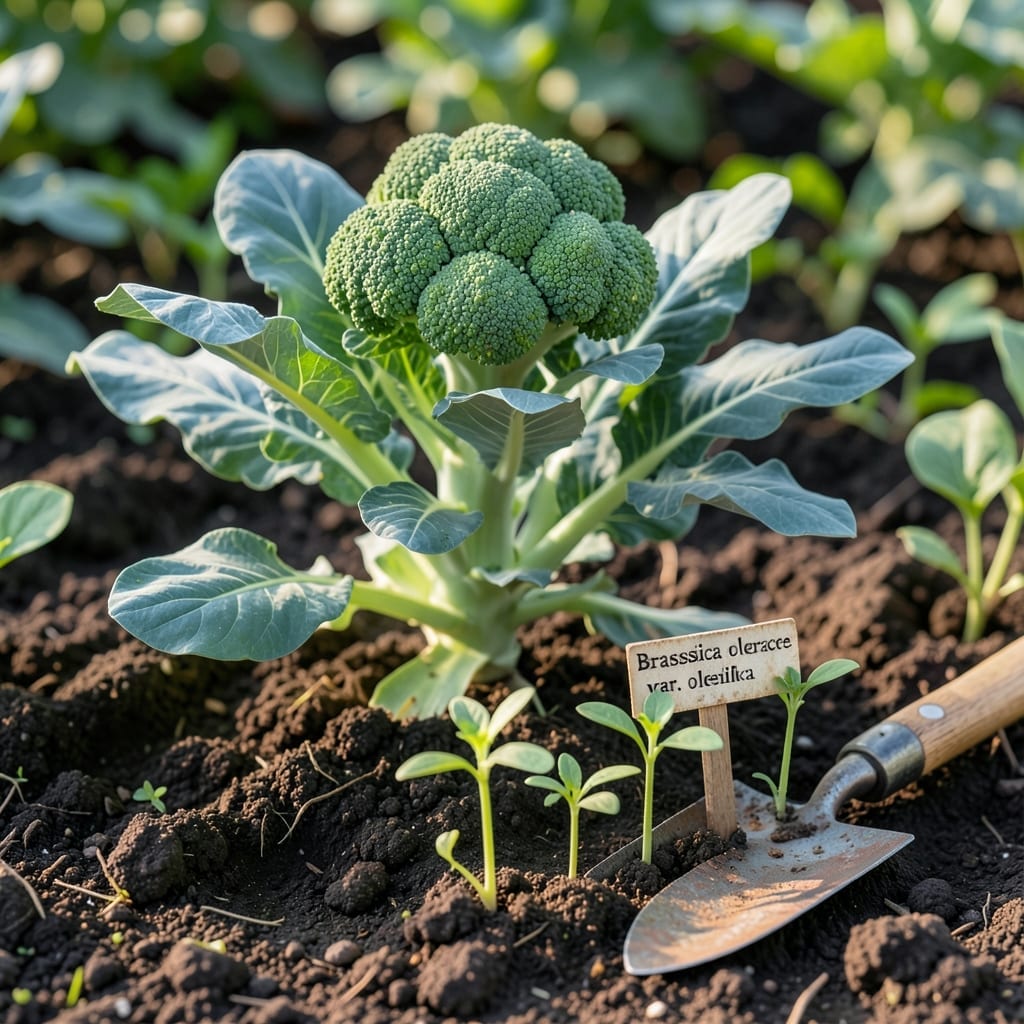
Timing is everything when it comes to growing Broccoli in Connecticut’s unpredictable climate. Plant too early, and frost can ruin your crop; too late, and summer heat may cause bolting before harvest.
The key is aligning your planting with our state’s unique seasons. In zone 6a, you’ve got two prime windows to get this cool-weather favorite in the ground.
I’ve learned through trial and error that nailing these dates makes all the difference. Whether you’re a first-timer or a seasoned gardener, getting the timing right will set you up for a bountiful harvest.
Let me walk you through the most important timing considerations so you can enjoy fresh, homegrown Broccoli this year.
Connecticut’s USDA zones 5b-7a give us two perfect windows for planting broccoli. I’ve found spring planting works best from early March to April, while fall planting thrives from July to early August. This timing helps avoid both frost and summer heat stress.
Our state’s last frost date typically falls around May 15, with the first frost around October 15. Broccoli loves cool weather, so these dates are your guideposts for success.
| Season | Planting Window | Harvest Time | Key Notes |
|---|---|---|---|
| Spring | March-April | May-June | Start indoors 6-8 weeks before last frost |
| Fall | July-August | October-November | Use cold-hardy varieties like Waltham 29 |
For spring planting, I recommend starting seeds indoors 6-8 weeks before the last frost. This gives your plants a strong start before transplanting them outside 2-3 weeks before the last frost date.
The soil temperature should be between 40-85°F for optimal growth. In Connecticut, this means waiting until the soil has warmed slightly in early spring or cooling down in late summer for fall planting.
Coastal areas tend to be milder, allowing for slightly earlier planting. Inland regions might need to wait an extra week or two to avoid unexpected late frosts that can damage young plants.
For fall planting, timing is crucial to ensure your broccoli matures before the first frost. I’ve had great success planting in mid-July for a late fall harvest, giving the plants about 80-100 days to mature.
Remember that broccoli is a cool-season crop, so it thrives in temperatures between 60-70°F. When summer heat kicks in, the plants may bolt or produce loose heads, which is why the fall window is so valuable.
I always check the 10-day forecast before planting. If there’s a surprise cold snap, I use row covers to protect my young plants. It’s a simple step that can save your entire crop.
Don’t forget to harden off your seedlings before transplanting. This process of gradually exposing them to outdoor conditions over 7-10 days makes a noticeable difference in their survival rate.
By following these Connecticut-specific timing guidelines, you’ll be well on your way to a successful broccoli harvest, whether you’re planting in spring, fall, or both seasons 🌱
To maximize your broccoli yield in Connecticut, I use a simple succession planting strategy. Plant new seeds every 2-3 weeks during the growing season to ensure a continuous supply of fresh heads.
This approach works particularly well in our zone 6a climate, where the cool spring and fall seasons provide ideal conditions for this cool-weather crop. I’ve found this method extends my harvest by several weeks.
I always select cold-hardy varieties like Waltham 29 or De Cicco for my Connecticut garden. These varieties handle our temperature swings better than others and often produce a second flush of heads.
Row covers are my secret weapon for extending the season. They protect young plants from late spring frosts and can also shield mature plants from early fall frosts, giving you extra weeks of harvest time.
Remember that broccoli plants need consistent moisture, especially during head formation. I water deeply once a week, more often during dry spells, to keep the soil evenly moist but not waterlogged.
Finally, don’t underestimate the power of proper spacing. Crowded plants compete for nutrients and are more susceptible to disease. I space my plants 18-24 inches apart for optimal growth and air circulation. This simple step can significantly boost your yield 🌱