
Beautiful Plants For Your Interior
Beautiful Plants For Your Interior
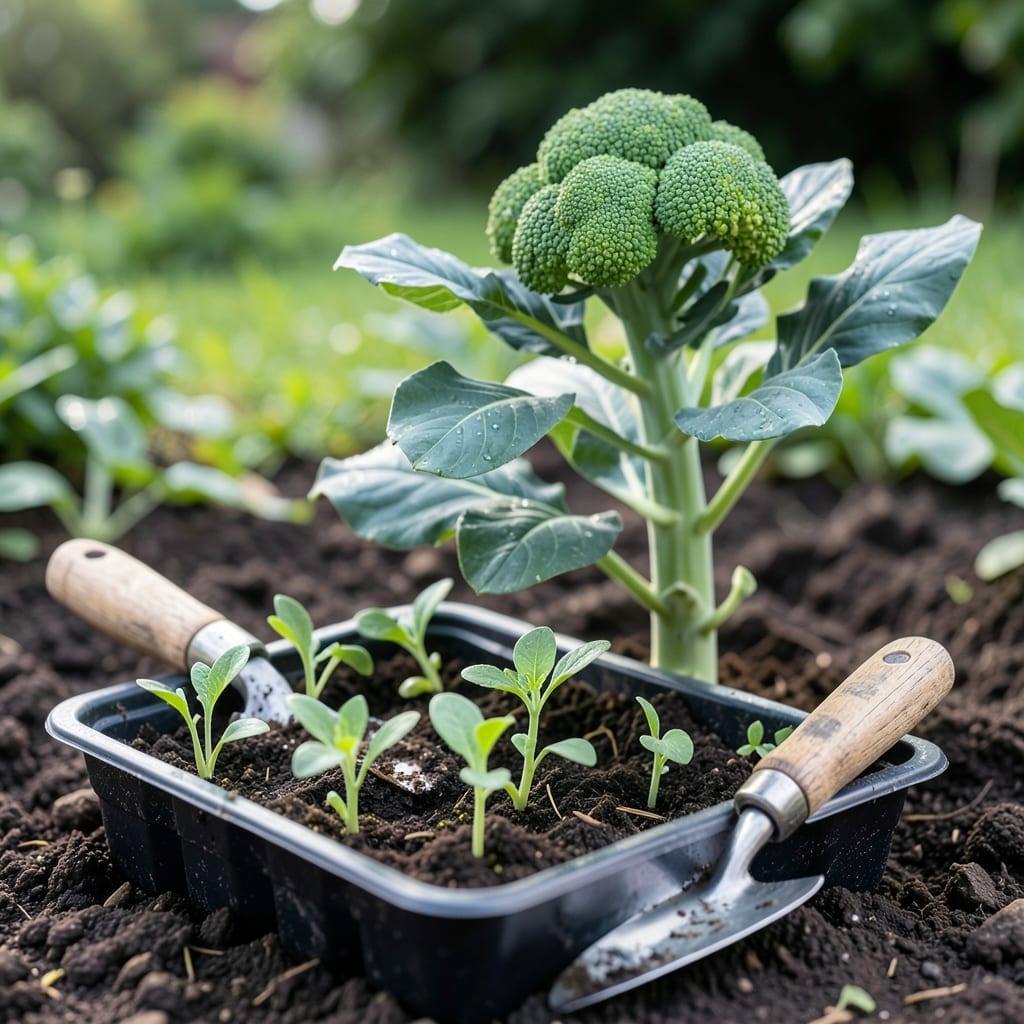
Timing is everything when growing Broccoli in Central Florida’s unique climate. Plant too early or too late, and you’ll miss the best window for a thriving harvest.
Our mild winters create the perfect opportunity for this cool-season crop. Unlike northern regions, we can grow 🥦 Broccoli when other areas are frozen solid.
Discover the exact planting windows that work year after year in zone 9b. These timing secrets make all the difference between a lackluster yield and crisp, flavorful heads.
I’ll walk you through the seasonal guide that local gardeners swear by. Let’s get your timing just right for the most productive Broccoli crop possible.
Central Florida’s USDA Zone 9b climate offers unique opportunities for growing broccoli. Unlike colder regions, we can plant this cool-season crop in both fall and winter windows. The key is avoiding extreme heat, which causes bolting.
The optimal planting window runs from October through February. This timing leverages our mild winters and avoids the summer heat that stunts growth. September and March can work, but they’re riskier due to temperature swings.
| Season | Planting Months | Harvest Window | Notes |
|---|---|---|---|
| Fall | October-November | December-January | Best for early harvests |
| Winter | December-February | February-April | Avoid late frost risk |
| Spring | March | May | Risk of heat stress |
For fall planting, start seeds indoors in late September or set transplants out in October. This gives plants time to establish before cooler weather arrives. I’ve found this method produces the most consistent heads.
Winter planting works well in Central Florida because we rarely see hard freezes. You can direct-sow seeds or transplant in December or January for a spring harvest. Just watch for those occasional cold snaps.
The temperature sweet spot for broccoli is 60-70°F. When temps climb above 80°F, plants bolt quickly. That’s why summer planting is nearly impossible here without shade cloth and careful monitoring.
Our first frost date is around December 15, with the last frost typically by February 15. This 240-day frost-free window gives us incredible flexibility. I always aim to have plants mature before the worst heat of late spring.
For best results, plant transplants rather than seeds when possible. This gives you a 4-6 week head start and more control over timing. Space plants 18-24 inches apart in rows 3 feet apart for good air circulation.
Remember that soil temperature matters as much as air temperature. Broccoli seeds germinate best at 75-85°F soil temps. In Central Florida, our sandy soil warms up quickly, so fall planting often requires shade cloth for young plants.
Finally, consider succession planting. Since our growing season is long, I plant a new batch every 3-4 weeks from October through February. This ensures a continuous harvest rather than one big flush of broccoli all at once.
With these timing strategies, you’ll enjoy crisp, sweet broccoli all through our mild winter and early spring 🌱
Central Florida’s sandy soil needs special attention for broccoli to thrive. Our native soil drains quickly but lacks the organic matter this heavy feeder requires. I always start with a soil test to check pH levels.
The ideal pH range for broccoli is 6.0–7.0. If your soil is too acidic, add lime to raise the pH. For alkaline soil, sulfur can help lower it. This step ensures your plants can access all the nutrients they need.
Adding compost or well-rotted manure improves both fertility and moisture retention. I mix in at least 2-3 inches of organic matter before planting. This gives broccoli roots the rich environment they need to develop strong heads.
In our humid climate, good drainage is crucial. Raised beds can help prevent waterlogging, especially during heavy rains. If planting in-ground, consider amending with pine bark fines to improve structure.
Don’t forget about mulching. A 2-3 inch layer of straw or leaves keeps soil cool and retains moisture. This is especially important in Central Florida’s warm winters, when temperatures can fluctuate.
Finally, consider a side dressing of fertilizer when plants are about 6 inches tall. This gives them an extra boost during the head formation stage. I use a balanced 10-10-10 for consistent growth.
With these soil prep steps, your broccoli will have the perfect foundation for healthy growth and abundant harvests 🌱