
Beautiful Plants For Your Interior
Beautiful Plants For Your Interior
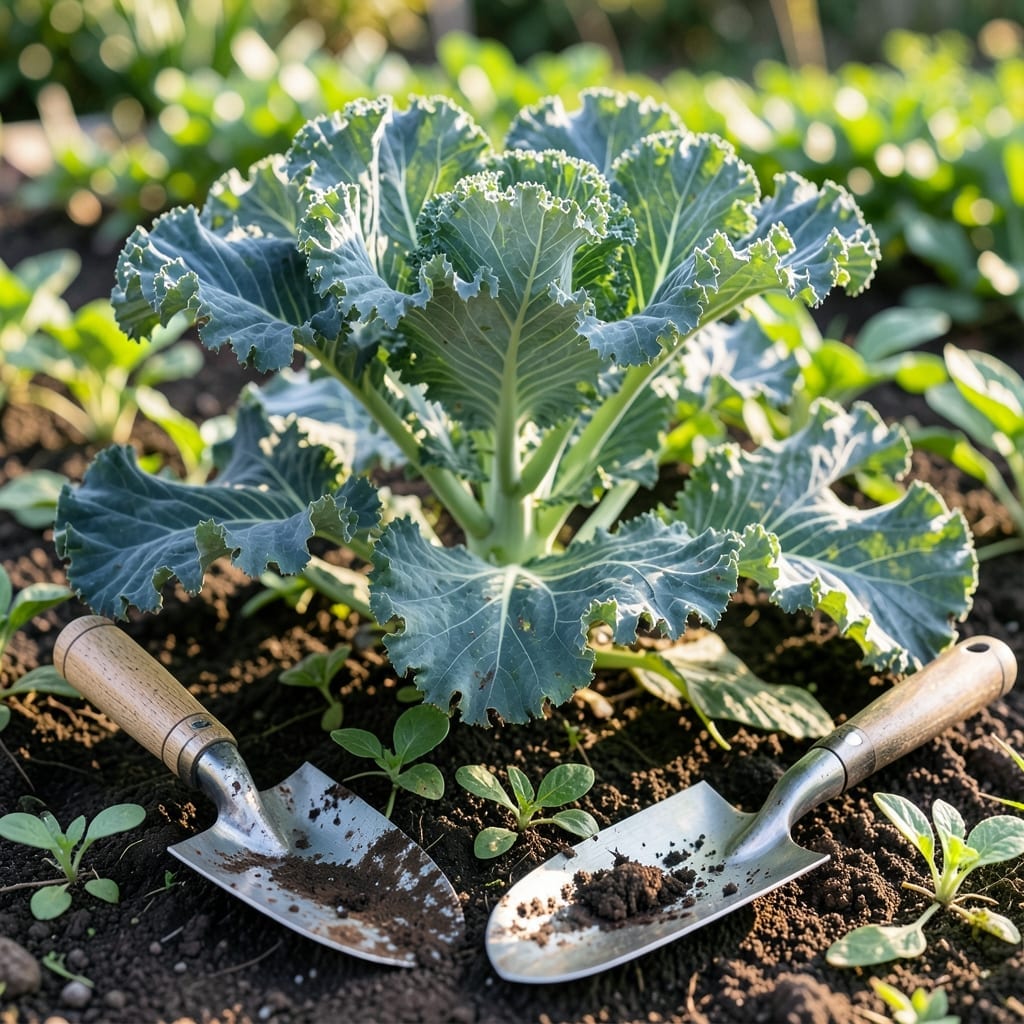
Timing is everything when planting brassicas in Pennsylvania—get it right, and you’ll enjoy a bountiful harvest of broccoli, cabbage, and kale. Get it wrong, and you risk stunted growth or bolted crops.
The 🥬 Brassicas thrive in our 6a-7b zones, but the window for success is narrow. Whether you’re a seasoned gardener or just starting out, knowing the precise timing can make or break your season.
I’ve spent years refining the perfect planting schedule for Pennsylvania’s unpredictable weather. What I’m about to share will help you avoid the common pitfalls that derail so many gardeners.
Discover how to align your planting with frost dates and seasonal shifts. Let’s dig into the details that ensure your Brassicas flourish from seed to harvest.
Pennsylvania spans USDA zones 4-7, meaning brassica timing varies significantly. In zone 6a-7b, where most PA gardeners grow, timing is critical for both spring and fall crops.
I’ve found that spring planting works best 4-6 weeks before the last frost, while fall crops thrive when started 10-12 weeks before the first frost. This ensures strong roots before temperature swings.
| Zone | Spring Planting | Fall Planting | Last Frost | First Frost |
|---|---|---|---|---|
| 4 | Mid-April | Late July | May 15 | Sept 15 |
| 5 | Early April | Early August | April 30 | Oct 1 |
| 6 | Late March | Mid-August | April 15 | Oct 15 |
| 7 | Early March | Late August | April 1 | Oct 30 |
For zone 6, I start broccoli and cabbage indoors in early March. Transplant them outside 4-5 weeks later, once soil temps hit 40°F. This timing avoids late frosts.
In zone 7, direct sowing works in early March for spring crops. But I always watch for late cold snaps, which can stunt young plants. Row covers help!
Fall planting is trickier. In zone 6, I sow kale and Brussels sprouts in mid-August. They mature as temps drop, sweetened by light frosts.
For zone 4-5, start fall brassicas earlier—late July for cabbage, early August for kale. The shorter season demands faster-maturing varieties like ‘Early Jersey Wakefield’.
I’ve learned that soil temperature matters more than air temps. Use a soil thermometer to confirm 40-85°F for germination. Too cold, and seeds rot. Too hot, and they bolt.
Succession planting extends harvests. Sow new broccoli seeds every 2 weeks from March to May. This staggers maturity, so you’re not overwhelmed with harvests all at once.
In southern PA, where zone 7 dominates, I push fall plantings to late August. The extra warmth helps Brussels sprouts develop sweeter flavors before winter sets in.
Remember, microclimates matter. Urban areas and south-facing slopes warm faster. Adjust planting dates by 1-2 weeks based on your specific conditions 🌱
In Pennsylvania, spring and fall brassicas require different approaches. Spring plantings need cold-hardy starts to survive late frosts, while fall crops benefit from summer heat before cooling down.
I’ve noticed spring brassicas often bolt in heat, so timing is tight. Fall crops, however, thrive with cooler temps and can handle light frosts, which actually sweeten their flavor.
| Aspect | Spring Planting | Fall Planting |
|---|---|---|
| Planting Time | 4-6 weeks before last frost | 10-12 weeks before first frost |
| Temperature Needs | Cool soil, 40-75°F | Warm start, cool finish |
| Pest Pressure | High (flea beetles) | Lower (cooler temps) |
| Flavor Impact | Mild, tender | Sweeter after frost |
Spring brassicas like broccoli and cabbage need consistent moisture to prevent bitter flavors. I water deeply 1-2 times weekly during dry spells.
For fall plantings, start seeds in mid-summer. Use shade cloth if temps exceed 85°F to prevent bolting. Transplant outdoors when temps drop below 75°F.
Kale and Brussels sprouts are fall superstars. They tolerate light frosts and often taste better after a cold snap. I plant these in August for a November harvest.
Remember, succession planting works well in spring. Sow new seeds every 2 weeks for continuous harvests before summer heat sets in 🌱