
Beautiful Plants For Your Interior
Beautiful Plants For Your Interior
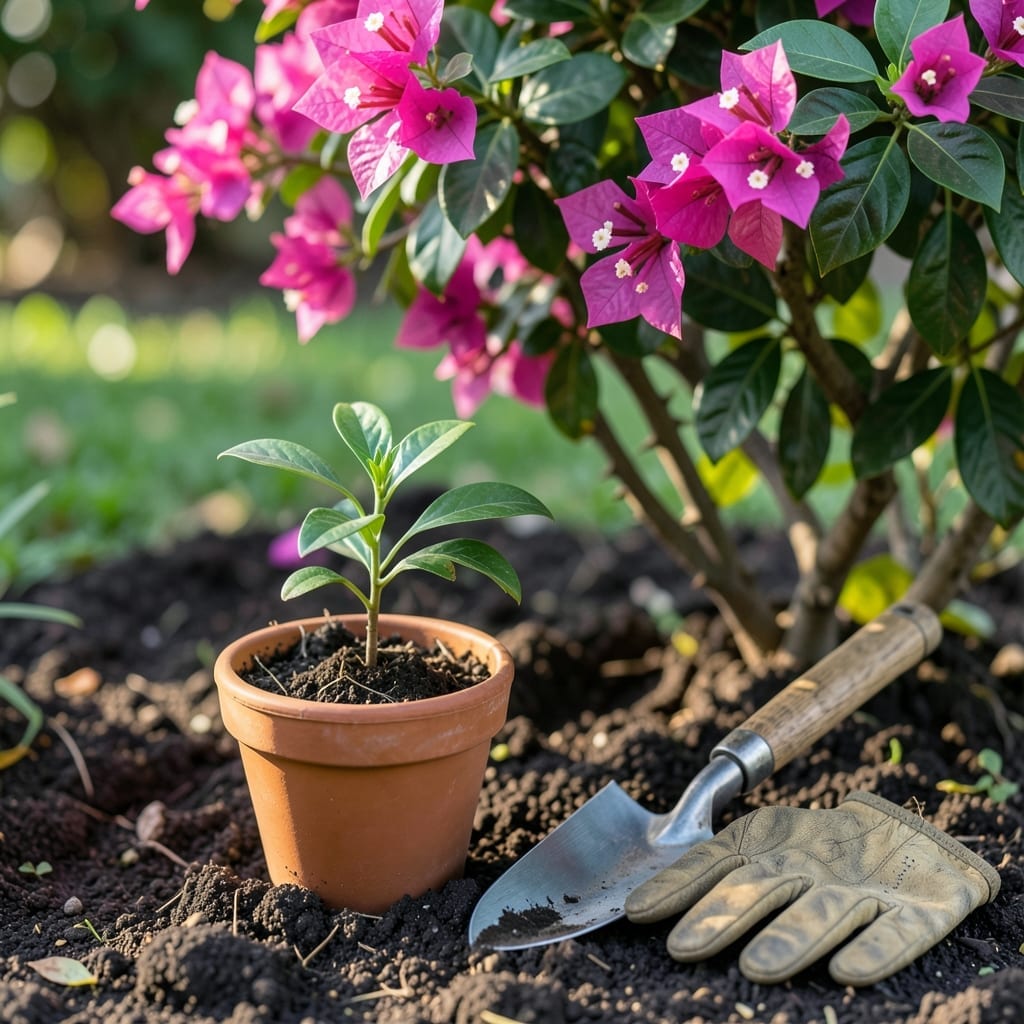
Timing is everything when planting Bougainvillea 🌸 in Texas—plant too early or too late, and you risk stunted growth or weak blooms.
Texas’ unique climate demands precision, especially for this tropical beauty that thrives in zones 8a-10b. The difference between struggling vines and vibrant displays often comes down to a few key weeks.
I’ve seen gardeners make the same timing mistakes year after year, but the solution is simpler than you think. The secret lies in working with Texas’ seasons, not against them.
Discover the ideal window to plant your Bougainvillea and set it up for success from day one. Your future self will thank you when those first spectacular blooms appear.
Texas spans multiple USDA zones, from 7a to 10b, which means planting times vary. In North Texas, the last frost typically hits around March 15, so I wait until late March or April to plant.
For Central Texas, the risk of frost drops by mid-March, making March to early May the sweet spot. Further south, in USDA zones 9-10, frost is rare, so February to April works beautifully.
| Region | USDA Zone | Best Planting Months | Notes |
|---|---|---|---|
| North Texas | 7a-8a | Late March – April | Avoid early frosts |
| Central Texas | 8a-9a | March – Early May | Ideal soil warmth |
| South Texas | 9b-10b | February – April | Early start possible |
In South Texas, I’ve seen gardeners get away with February planting because the soil stays warm. But I always recommend checking the local frost dates to be safe.
The key is soil temperature—bougainvillea thrives when the ground is at least 60°F. I use a soil thermometer to confirm it’s warm enough before digging in. 🌡️
For container planting, I start a bit earlier since pots warm up faster. But I still avoid winter planting—even in mild zones, cold snaps can stress young plants.
Late planting in May or June is possible, but I’ve noticed it can delay the first blooms. If I miss the spring window, I focus on establishing strong roots before summer heat hits.
In USDA zone 10b, like the Rio Grande Valley, I’ve had success planting as early as late January. But I always watch the extended forecast for unexpected cold.
Bougainvillea loves full sun, so I pick a south-facing spot with at least 6-8 hours of direct light. This ensures vibrant blooms and healthy growth.
I also prepare the soil with compost and ensure good drainage—bougainvillea hates wet feet. A raised bed or slope can help prevent waterlogging.
Finally, I water deeply after planting but then back off—these plants are drought-tolerant once established. Overwatering is a common mistake I see.
I’ve learned that timing alone won’t guarantee vibrant bougainvillea blooms in Texas. You must also consider soil temperature and sunlight exposure for best results. Warm soil (above 60°F) is critical for root establishment.
Texas’ intense sunlight is perfect for these sun-loving vines, but they need 6+ hours daily to thrive. Without it, you’ll see weak growth and fewer flowers. ☀️
Don’t overlook drainage—bougainvillea hates wet feet. I always amend heavy clay soils with sand or perlite to improve drainage before planting. This prevents root rot and encourages healthy growth.
In North Texas, watch for late frosts that can damage new plants. I recommend covering seedlings if temperatures dip below 40°F in early spring. This extra care pays off with stronger plants.
For Central Texas, the ideal window is March to April. The soil warms quickly here, giving your bougainvillea a head start before summer heat arrives. Morning planting helps reduce transplant shock.
South Texas gardeners can plant as early as February. The milder winters mean less frost risk, but ensure your soil isn’t waterlogged from winter rains. Raised beds work well in these areas. 🌱