
Beautiful Plants For Your Interior
Beautiful Plants For Your Interior
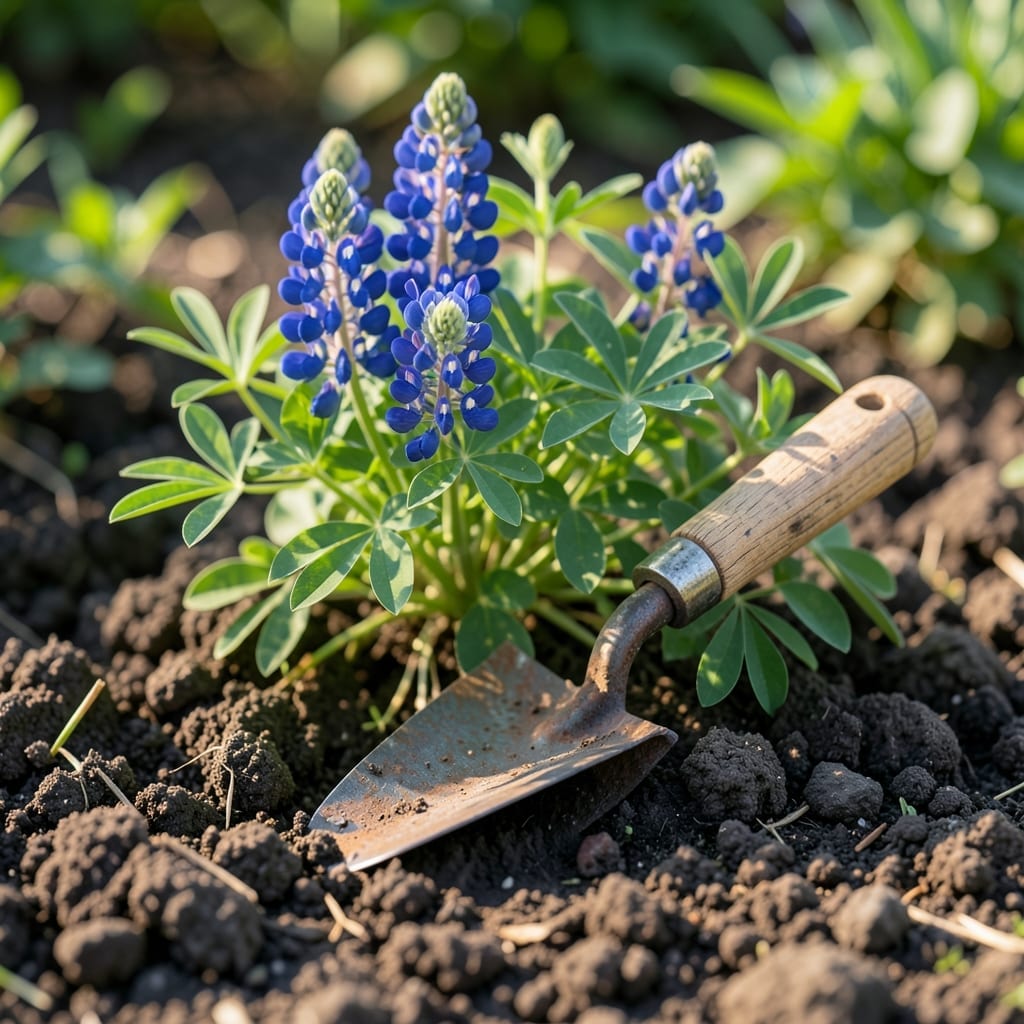
Timing is everything when it comes to planting Bluebonnet 🌸 seeds in North Texas. Get it right, and you’ll be rewarded with a stunning sea of vibrant blue blooms come spring.
Plant too early or too late, and you might miss out on this iconic Texas wildflower display. The best time aligns perfectly with our region’s unique climate and soil conditions.
I’ve tested different approaches, and what I’m about to share will save you from common mistakes. Whether you’re a seasoned gardener or just starting out, these insights will help you succeed.
Discover exactly when to plant for maximum growth and how to prepare your soil for optimal results. Let’s make this your most beautiful bluebonnet season yet.
If you want a breathtaking bluebonnet display in North Texas, timing your planting is critical. The ideal window is early fall, from September to early November. This gives seeds time to establish before winter.
The North Texas climate with its mild falls and cool winters is perfect for bluebonnets. The soil temperature needs to be 70-85°F for best germination. Planting too late risks frost damage to young seedlings.
| Stage | Timing | Notes |
|---|---|---|
| Planting Window | Sept-Nov | Before first frost |
| Germination | Fall-Winter | Needs cool temps |
| Bloom Time | March-May | Peak in April |
| Soil Temp | 70-85°F | Optimal for seeds |
In Dallas and Fort Worth, microclimates can shift the timeline slightly. Areas with warmer microclimates might allow planting as late as mid-November. Always check your local first frost date for precision.
The USDA Zone 8a classification for North Texas means we have 240 frost-free days. Bluebonnets need this cold stratification period to break dormancy. Planting in August is too early—seeds may rot in hot soil.
For best results, aim to plant 6-8 weeks before the first expected frost. This gives roots time to establish while avoiding the summer heat that can inhibit growth. The September window is often ideal.
If you miss the fall window, December planting can work but with lower success rates. The seeds may not have enough time to establish before winter dormancy. Always prioritize the early fall timeframe.
North Texas clay soil can be challenging. I recommend loosening the top inch of soil before planting. This helps with seed-to-soil contact without burying seeds too deeply, as they need light to germinate.
Remember, bluebonnets are drought-tolerant once established. But during the germination phase, consistent moisture is key. Water lightly but regularly until seedlings are 2 inches tall. Morning watering is best to prevent fungal issues.
For those in urban areas with heat islands, consider planting in partial shade locations. This can protect young plants from late summer heat if you’re pushing the early side of the planting window. ☀️
Planting bluebonnet seeds in North Texas requires careful preparation. I always start by scarifying the seeds to break their hard outer shell, which improves germination rates. This can be done by lightly sanding or soaking them overnight in lukewarm water.
Next, I prepare the soil by loosening it to a depth of about 1-2 inches and removing any weeds or debris. Bluebonnets thrive in well-draining soil, so I avoid heavy clay by mixing in some sand or compost if needed.
When planting, I scatter the seeds evenly over the prepared area and lightly press them into the soil. It’s crucial not to bury them deeply, as bluebonnet seeds need light to germinate properly. A light watering afterward helps settle them into place.
For spacing, I aim for about 12-18 inches apart to give each plant enough room to grow. In North Texas, our clay-heavy soil can be tricky, so I often add a thin layer of sand to improve drainage and prevent waterlogging.
After planting, I maintain a consistent watering schedule—about once a week—until the seeds germinate. Once established, bluebonnets are quite drought-tolerant, so I reduce watering unless we’re in a dry spell.
Finally, I mark the planting area to avoid disturbing the seeds. With proper care, I’ve found that fall-planted bluebonnets establish strong roots before winter, leading to vibrant blooms in spring. It’s a rewarding process that brings the beauty of Texas wildflowers right to my garden ☀️