
Beautiful Plants For Your Interior
Beautiful Plants For Your Interior
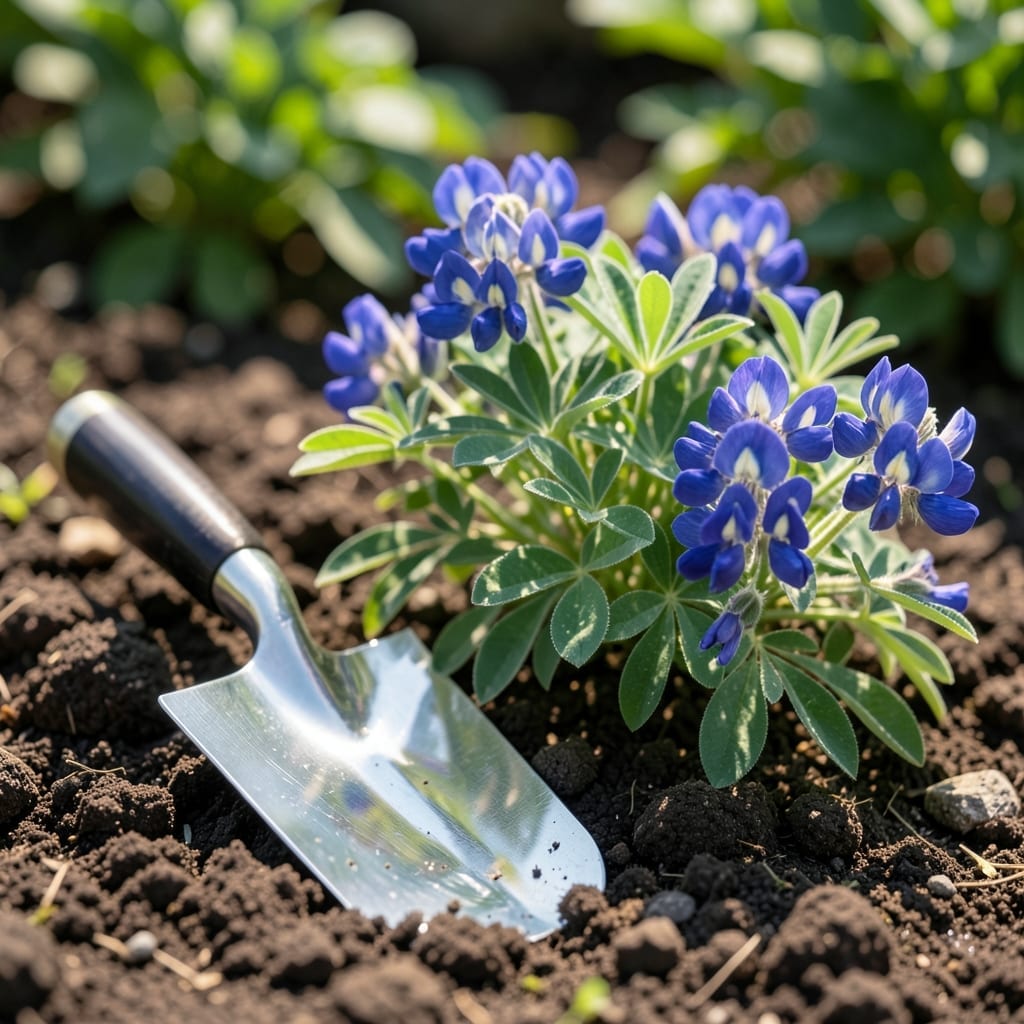
Timing is everything when it comes to planting Bluebonnet seeds in Central Texas. Get it right, and you’ll be rewarded with a stunning sea of blue wildflowers.
Plant too early or too late, and you risk poor germination or weak blooms. The fall season offers the perfect window for success.
I’ve tested various approaches, and what I’m about to share will help you achieve the best results. Whether you’re a seasoned gardener or a beginner, these insights are game-changers.
Discover the exact timing and techniques to ensure your 🌸 Bluebonnet seeds thrive in Central Texas’s unique climate.
In Central Texas, the optimal planting window for bluebonnet seeds is September through November. This timing aligns perfectly with the region’s USDA zones 7b-8a climate.
The soil temperature during these months is ideal, typically ranging from 75-85°F, which promotes strong germination. Fall planting also allows the seeds to establish roots before winter dormancy.
| Requirement | Specification |
|---|---|
| Best Months | September – November |
| Soil Temp | 75-85°F |
| USDA Zones | 7b-8a |
| Sun Needs | Full sun (6+ hours) |
| Planting Depth | 1/4 inch max |
I’ve found that early September planting often yields the most vibrant blooms. The seeds get a head start before cooler weather arrives, which is crucial for strong root development.
Late November is still acceptable, but avoid planting after the first frost, which typically hits Central Texas around November 30th. The seeds need time to settle before dormancy.
Spring planting is possible but less reliable. The competition from weeds and unpredictable rainfall can hinder germination. Fall remains the gold standard for Central Texas gardeners.
For the best results, I recommend scarifying the seeds before planting. This means lightly nicking the seed coat to improve water absorption. It’s a simple step that significantly boosts germination rates.
The soil preparation is equally important. Bluebonnets thrive in well-draining, low-fertility soil. Avoid rich, amended soils, as they can lead to lush foliage but fewer blooms.
Once planted, water lightly to settle the seeds, but avoid overwatering. Bluebonnets are drought-tolerant and prefer dry conditions once established. Too much moisture can cause rot.
Finally, choose a sunny location with at least 6 hours of direct sunlight daily. Shaded spots will result in weak, leggy plants with sparse blooms. With the right timing and care, you’ll enjoy a breathtaking display of blue from March to May 🌸
Planting Bluebonnet seeds in Central Texas is simpler than you think, but timing and technique matter. I always start by scarifying the seeds to break their hard coating, which boosts germination rates significantly.
Next, choose a sunny location with well-draining soil. Bluebonnets thrive in poor soil, so avoid over-fertilizing. This is a common mistake that leads to weak, leggy plants.
After planting, water lightly but consistently for the first few weeks. Bluebonnets need moisture to germinate, but soggy soil can cause seeds to rot. I use a fine mist nozzle to avoid dislodging the seeds.
Once sprouts appear, reduce watering but ensure the soil doesn’t dry out completely. Full sun is critical—at least 6-8 hours daily. In Central Texas, this is rarely an issue, but watch for shade from trees or buildings.
By late fall, you should see small rosettes forming. These will overwinter and burst into bloom come spring. If you’ve followed these steps, you’ll be greeted with vibrant blue wildflowers by March.
Remember, patience is key. Bluebonnets are biennials, so some seeds may not bloom until their second year. But once established, they’ll self-seed and return year after year with minimal effort 🌿