
Beautiful Plants For Your Interior
Beautiful Plants For Your Interior
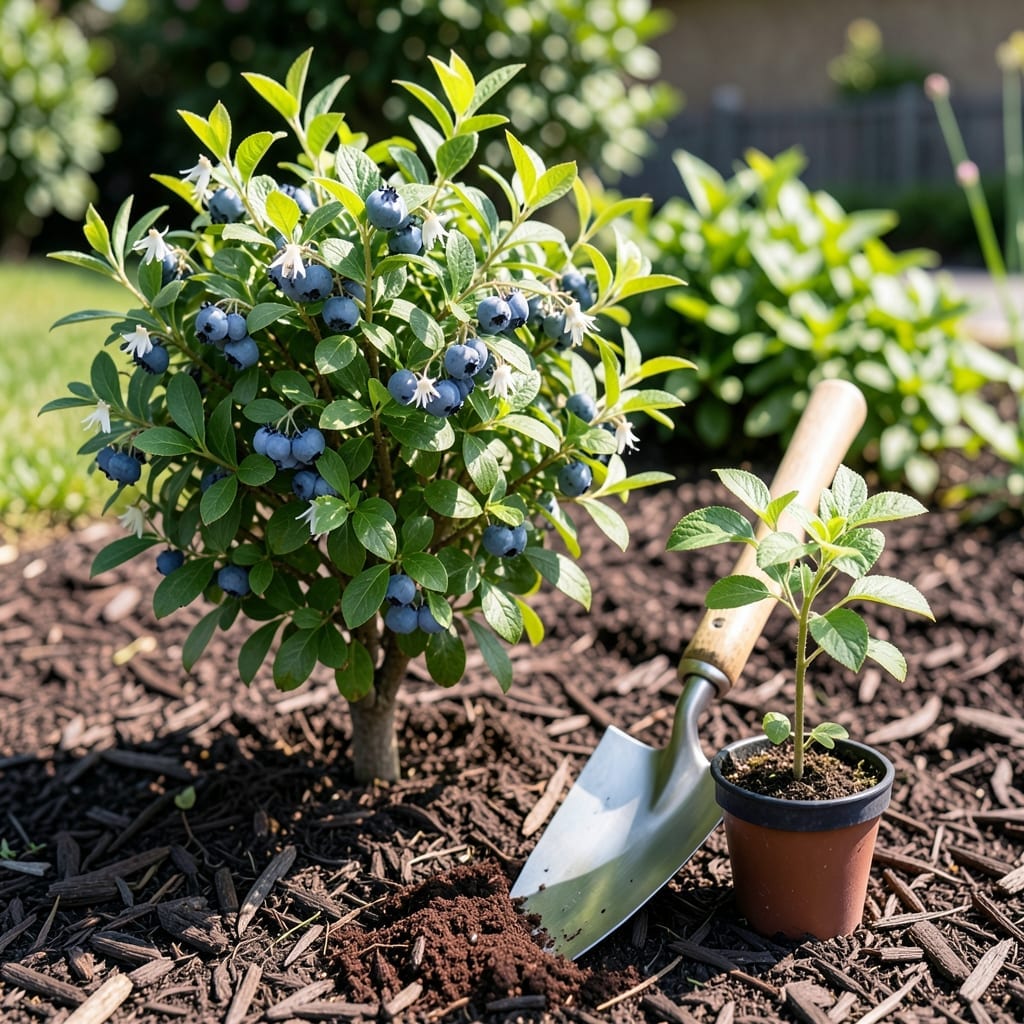
Timing is everything when planting Blueberry Bush 🫐—get it right, and you’ll enjoy bountiful harvests for years. Get it wrong, and you risk stunted growth or poor fruit production.
Whether you’re in USDA zones 4-7 or just starting out, knowing the ideal window makes all the difference. I’ve tested various approaches, and the best results come from careful timing.
Discover the seasonal secrets to planting these bushes for thriving growth and a fruit-filled future. Let’s dig in.
The ideal window for planting blueberry bushes depends heavily on your USDA hardiness zone. In colder regions like zones 4-5, early spring is best to avoid frost damage to new growth.
For warmer areas such as zones 6-7, fall planting works well, giving roots time to establish before winter dormancy. Always check your local frost dates for precision.
| Climate Zone | Best Planting Time | Key Consideration |
|---|---|---|
| Zones 4-5 | Early Spring | Avoid late frosts |
| Zones 6-7 | Fall or Early Spring | Root establishment |
| Zone 8+ | Winter | Cool but frost-free |
Soil temperature matters just as much as air temperature. Aim for 45-50°F soil for spring planting, which typically occurs in March or April for most zones.
Fall planting should happen 4-6 weeks before your first expected frost. This gives the root system enough time to develop before winter sets in.
In mild winter regions like zone 8, winter planting is actually ideal. The cool temperatures reduce transplant shock while allowing roots to grow.
I always recommend checking your local extension office for hyper-local advice. They often have soil temperature data and frost date records that are more precise than general zone guidelines.
Remember that container-grown bushes can be planted anytime during the growing season, as long as you provide consistent watering and protection from extreme heat.
Bare-root plants should only go in the ground during dormancy, typically in late winter or very early spring before bud break.
The key is giving your bushes the best possible start. Proper timing means stronger root systems, better establishment, and ultimately, more delicious berries for years to come. ☀️
Planting blueberry bushes correctly sets the stage for years of abundant harvests. I always start by testing my soil pH, aiming for an acidic range of 4.5 to 5.5 for optimal growth.
Next, I choose a sunny location with at least 6 hours of direct sunlight daily. Proper site selection prevents future issues with poor fruit production.
When planting, I ensure the root ball sits slightly above soil level to improve drainage. This prevents waterlogging, which can rot the roots of your new bushes.
I always use organic mulch like pine needles or wood chips to maintain moisture and suppress weeds. Mulching also helps keep the soil acidic as it breaks down over time.
Watering consistently for the first few weeks is crucial. I give each bush a deep soak 2-3 times per week, adjusting for rainfall and temperature.
Finally, I avoid fertilizing immediately after planting. Instead, I wait until the bushes show new growth, then apply an acid-forming fertilizer to support their development.
🌱