
Beautiful Plants For Your Interior
Beautiful Plants For Your Interior
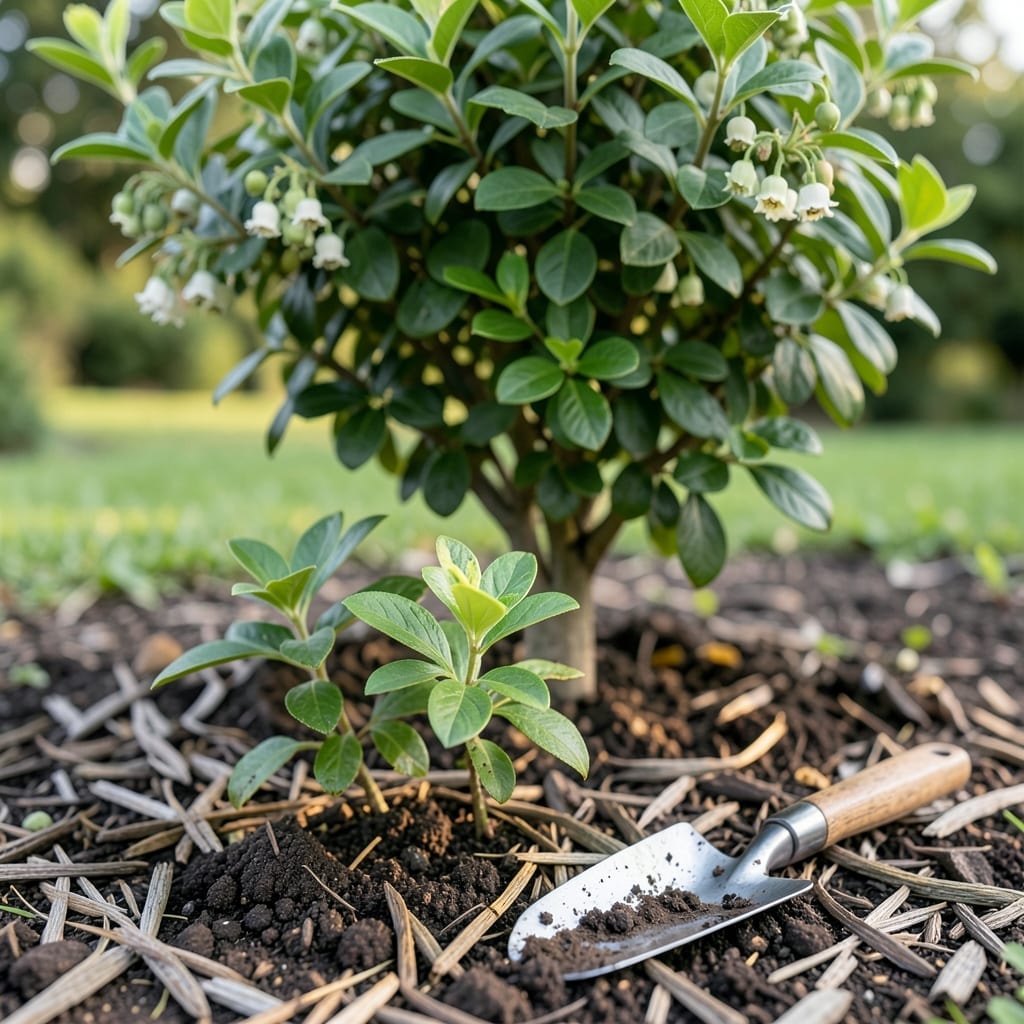
Timing is everything when planting Blueberry in Wisconsin—get it right, and you’ll enjoy sweet, bountiful harvests for years. Get it wrong, and your bushes may struggle to survive the state’s harsh winters.
Here’s how to nail the perfect planting window for your USDA hardiness zone. Wisconsin’s 4b to 5a climate demands precision, especially with a plant as sensitive as the 🫐.
I’ll walk you through the most important seasonal considerations, from frost dates to soil prep. Whether you’re a seasoned gardener or just starting, this guide ensures your bushes thrive.
Discover the exact months to plant for maximum success and how to avoid common pitfalls that derail even the most eager growers.
Wisconsin’s USDA Zones 3-5 each have slightly different planting windows for blueberries. In Zone 3, aim for late April to early May to avoid late frosts that can damage tender new growth.
For Zones 4 and 5, you can start planting bare-root blueberries as early as mid-April, while container-grown plants can go in the ground slightly later, up to early June. ☀️
| Zone | Bare-Root Planting | Container-Grown Planting | Notes |
|---|---|---|---|
| Zone 3 | Late April – Early May | Early May – Early June | Avoid late frosts |
| Zone 4 | Mid-April – Early May | Mid-April – Early June | Soil temp > 45°F |
| Zone 5 | Early April – Mid-May | Early April – Early June | Earliest planting window |
Fall planting is possible in Zones 4-5, but I recommend early September to give roots 6-8 weeks to establish before the first frost. This isn’t ideal for Zone 3, where winters arrive earlier.
For bare-root blueberries, dormant season planting is critical. This means early spring or late fall when the plant isn’t actively growing. Container-grown plants offer more flexibility since their roots are already established.
I always check the soil temperature before planting. Blueberries need 45-55°F soil to thrive. Use a soil thermometer to confirm conditions are right, especially in Zone 3, where soil warms slower. 🌡️
Another key factor is the last frost date. In Madison (Zone 5), it’s around May 15, while in Green Bay (Zone 4), it’s closer to May 10. Plant 2-3 weeks after this date to be safe.
If you’re in Northern Wisconsin (Zone 3), stick to hardy varieties like ‘Patriot’ or ‘Northblue’. These can handle -35°F temperatures once established, but they still need that spring planting window.
For Southern Wisconsin (Zone 5), you can push the envelope slightly with ‘Bluecrop’ or ‘Chandler’. These varieties benefit from the longer growing season but still need acidic soil and consistent moisture. 💧
Remember, fall planting in Zone 5 can work if you mulch heavily to protect roots from freezing. Use 4-6 inches of pine bark or wood chips to insulate the soil and retain moisture.
No matter your zone, avoid planting during summer heatwaves or drought conditions. Stress from extreme temperatures can stunt growth and reduce your first year’s yield. 🌱
Planting blueberries in Wisconsin isn’t just about timing—it’s about soil conditions and environmental factors. The most critical is soil pH, which must be 4.5-5.5 for blueberries to absorb nutrients properly.
I always test my soil with a pH meter before planting. If the pH is too high, I amend the soil with sulfur or peat moss to lower it. This step is non-negotiable for healthy growth. 🌱
Soil temperature is another key factor. Blueberries thrive when the soil is 45-55°F. In Zone 3, this might mean waiting until late April, while Zone 5 can start earlier.
Monitoring the last frost date is essential. In Madison (Zone 5), it’s around May 15, so I plant after this date to avoid frost damage. In colder zones, I wait even longer to be safe. ☀️
Moisture levels also play a role. Blueberries need consistent moisture, especially during the first year. I water deeply once a week and mulch with pine bark to retain moisture.
Finally, variety selection matters. Choose cold-hardy varieties like ‘Patriot’ for Zone 3 or ‘Bluecrop’ for Zone 5. Matching the variety to your zone ensures long-term success. 🌿