
Beautiful Plants For Your Interior
Beautiful Plants For Your Interior
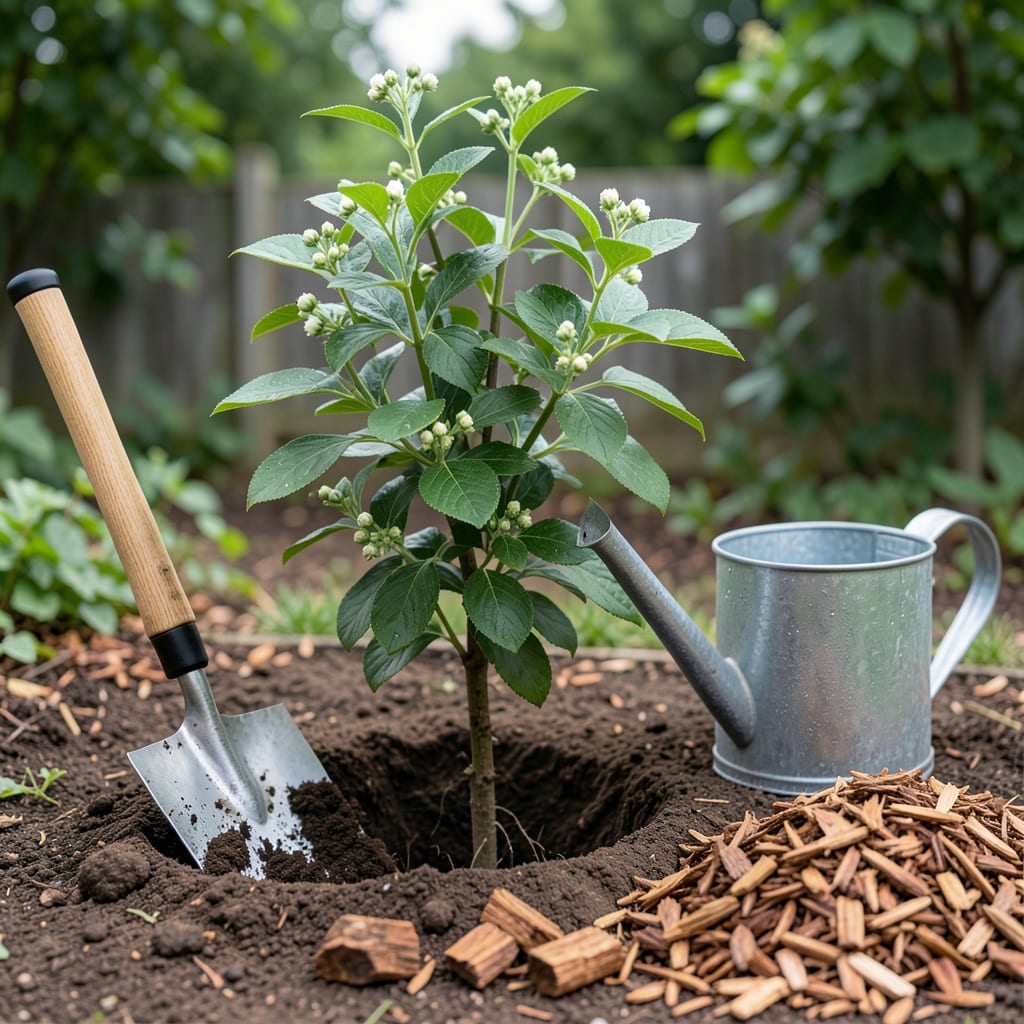
Imagine biting into a plump, sun-warmed blueberry straight from your Ohio backyard—sweet, juicy, and bursting with flavor. That dream starts with perfect timing, and in our Zone 6 climate, missing the ideal window can mean stunted bushes or no fruit at all.
I’ve helped dozens of gardeners avoid costly mistakes by nailing the spring planting sweet spot. Whether you’re a first-timer or looking to expand your patch, I’ll show you exactly when to get those bushes in the ground—and why April through early May is your golden opportunity for years of bountiful harvests.
If you’re dreaming of plump, homegrown blueberries in Ohio, timing your planting is non-negotiable. Our Zone 6a/6b climate means you’ve got two prime windows: early spring (after the last frost) or early fall (before the first freeze). Miss these, and your bushes may struggle to establish roots.
Ohio’s unpredictable weather—late frosts in April or sudden heatwaves in May—can throw off even experienced gardeners. That’s why I always recommend planting bare-root blueberries when soil temps hit 45–50°F, or container-grown plants once temps stabilize above 60°F.
| Season | Best Months | Soil Temp | Plant Type |
|---|---|---|---|
| Early Spring | April–May | 45–50°F | Bare-root |
| Late Spring | May–June | 60°F+ | Container-grown |
| Early Fall | September | 50–60°F | Both types |
⚠️ Avoid summer planting—heat stress weakens roots.
For spring planting, I wait until after Ohio’s last frost date (typically April 15–May 10). This gives roots time to settle before summer heat. If you’re planting in fall, aim for September—this lets bushes develop roots before winter dormancy, but avoid late October when frosts arrive.
Ohio’s clay-heavy soil can be a challenge, so I always amend planting holes with peat moss or pine bark to improve drainage. A soil pH test is a must—blueberries thrive in acidic soil (pH 4.5–5.5). If your soil is alkaline, mix in elemental sulfur a few months before planting.
If you’re in southern Ohio (Zone 6b), you can push planting dates a week earlier than northern regions. But no matter where you are, mulch heavily after planting—2–3 inches of pine straw or wood chips retain moisture and suppress weeds in Ohio’s humid summers.
For cold-hardy varieties, I recommend ‘Bluecrop’ (mid-season) or ‘Patriot’ (early-season). Both handle Ohio winters well and produce reliably. Avoid late-season varieties like ‘Elliott’ unless you’re in southern Ohio—they may not ripen fully before frost.
After planting, keep soil consistently moist (but not soggy) for the first 4–6 weeks. A drip irrigation system works best—it delivers water directly to roots without wetting leaves, which can invite fungal diseases in Ohio’s humid climate.
If you’re planting multiple bushes, space them 4–6 feet apart for full-size varieties or 2–3 feet for dwarfs. This ensures good airflow, which reduces disease risk. For hedgerows, I plant in offset double rows, spacing rows 8–10 feet apart for easy picking.
Remember, blueberries are a long-term investment—they take 2–3 years to bear fruit. But with the right timing and care, you’ll be rewarded with decades of sweet, antioxidant-rich berries. Start planning now, and you’ll be harvesting your first Ohio-grown blueberries by June or July!
Planting blueberries in Ohio isn’t just about timing—it’s about giving your bushes the best start in our Zone 6 soil. I’ve found that site selection and soil prep make or break your harvest. Start by choosing a spot with full sun (6–8 hours daily) and protection from wind, which can dry out young plants.
Ohio’s clay-heavy soil is the biggest hurdle. Blueberries demand acidic, well-draining soil (pH 4.5–5.5). Before planting, I always test my soil and amend with peat moss, pine bark fines, or elemental sulfur if the pH is too high. A raised bed can help if your yard has poor drainage.
✅ Pro tip: If planting multiple rows, stagger them in a double-offset pattern for easier picking and better pollination.
For container-grown blueberries, I gently loosen the roots before planting to encourage outward growth. If you’re using bare-root plants, soak the roots in water for 30–60 minutes before planting to rehydrate them. This step is critical in Ohio’s early spring when soils can still be dry.
After planting, water deeply—about 1–2 inches per week (including rainfall). A drip irrigation system is ideal because it keeps foliage dry, reducing the risk of fungal diseases like powdery mildew, which thrives in Ohio’s humid summers. Avoid overhead watering, especially in the evening.
If you’re planting in fall, hold off on fertilizing until spring. For spring plantings, wait 4–6 weeks before applying a balanced, acid-loving fertilizer (like a 10-10-10 formulated for blueberries). Over-fertilizing young plants can burn roots, so I stick to ½ the recommended dose the first year.
Finally, prune minimally in the first year—just remove any dead or crossing branches. Ohio’s winters can be harsh, so I wrap young bushes in burlap or apply extra mulch in late fall to protect roots from freeze-thaw cycles. With this care, your blueberries will thrive and reward you with sweet, abundant harvests for decades! 🌿
Even with perfect timing, Ohio gardeners can sabotage their blueberry harvests by overlooking key details. After helping dozens of growers troubleshoot stunted bushes or poor yields, I’ve pinpointed the three most common mistakes—and how to fix them before they ruin your patch.
The biggest error? Skipping the soil pH test. Ohio’s native soil often leans alkaline (pH 7+), but blueberries require acidic conditions (pH 4.5–5.5). Without testing, you might plant in hostile soil, leading to yellow leaves or stunted growth. Always test and amend with sulfur or peat moss months before planting.
💡 Bonus tip: Avoid planting near concrete or blacktop—runoff can raise soil pH over time.
Another costly mistake is planting in frost-prone areas. Ohio’s spring frosts (as late as May 10 in northern regions) can kill blossoms, wiping out your harvest. I always scout my yard for microclimates—south-facing slopes or areas near buildings often stay warmer. If frost threatens, cover bushes with frost cloth overnight.
Finally, many gardeners pick the wrong varieties for Ohio’s climate. While ‘Elliott’ (a late-season type) tempts with its large berries, it often fails to ripen fully before our first frost (October 10–25). Instead, I recommend ‘Duke’ for early harvests or ‘Bluecrop’ for mid-season reliability. Both thrive in Zone 6 and produce consistently.
Even experienced growers sometimes over-mulch or under-water. Blueberries need consistent moisture, especially in their first year. I use a soaker hose on a timer to deliver 1–2 inches of water weekly, adjusting for rainfall. Mulch should be 2–3 inches deep—too much suffocates roots, while too little lets weeds compete for nutrients.
By avoiding these pitfalls, you’ll set your Ohio blueberry bushes up for success. Remember, the first year is about root establishment, not fruit. With proper care, you’ll be harvesting pint after pint of sweet, juicy berries by year three! 🌱
Summer planting is risky in Ohio due to heat stress and drought conditions. The ideal windows are early spring (April–May) or early fall (September) when temperatures are milder. If you must plant in summer, provide extra shade, mulch heavily, and water 2–3 times weekly to prevent shock.
Blueberry bushes typically take 2–3 years to bear fruit in Ohio’s climate. Year one focuses on root establishment, while year two may yield a small harvest. By year three, you can expect 1–2 pints per bush, with full production (5–10 pints) by years four to five.
Use pine straw, wood chips, or shredded bark—these maintain soil acidity and retain moisture. Apply a 2–3 inch layer around the base (keeping it 2 inches away from the stem) to suppress weeds and protect shallow roots from Ohio’s temperature swings.
While some varieties are self-pollinating, planting 2–3 different cultivars boosts yield and berry size. For Ohio, pair early-season ‘Duke’ with mid-season ‘Bluecrop’ for extended harvests. Space bushes 4–6 feet apart for optimal cross-pollination.
Cover bushes with frost cloth or burlap overnight when temps dip below 32°F. For potted plants, move them to a garage or against a south-facing wall. Avoid plastic covers—they trap moisture and can cause fungal issues. Remove coverings by mid-morning to prevent overheating.
