
Beautiful Plants For Your Interior
Beautiful Plants For Your Interior
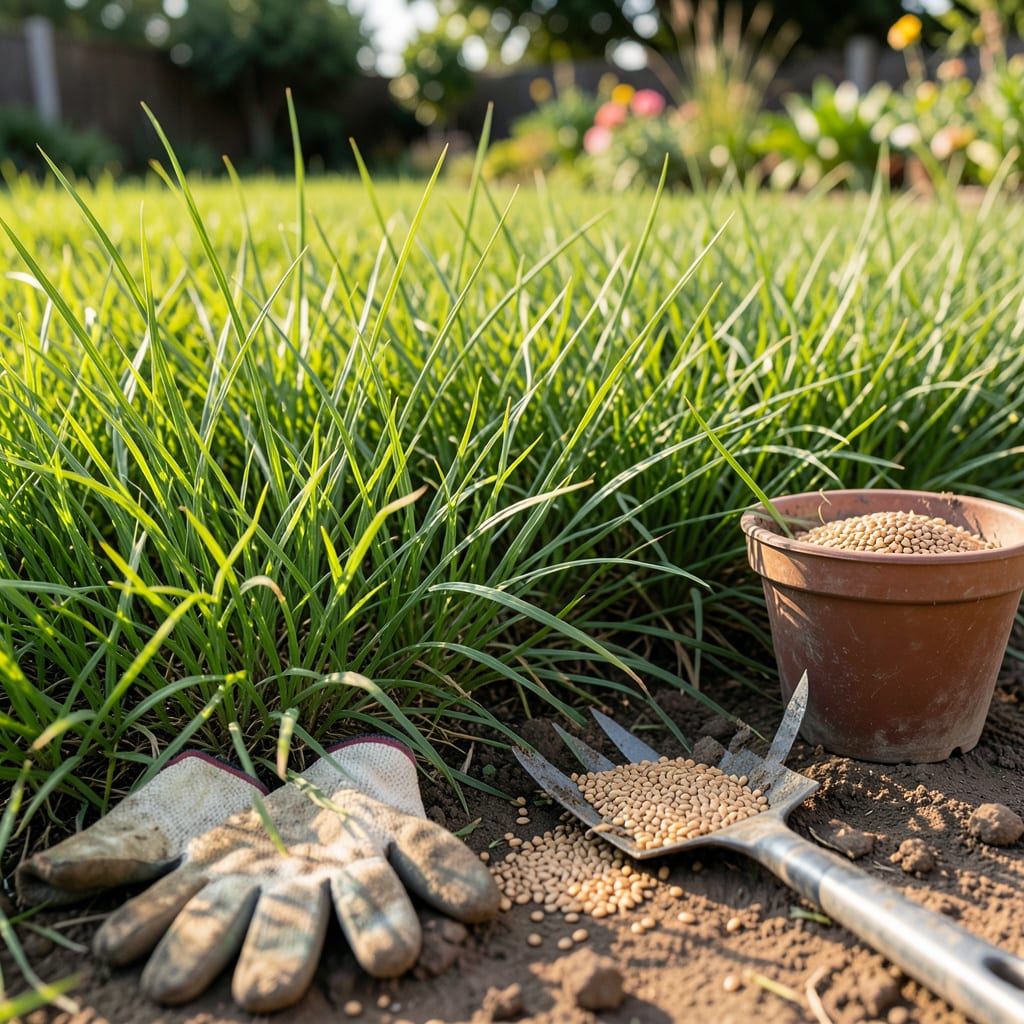
As a Texas homeowner, getting your Bermuda grass 🌿 lawn to thrive can be challenging. The key is timing – planting at the right moment makes all the difference in achieving that lush, healthy look you’re after.
In Texas’s 7b-9a climate, late spring to early summer is typically ideal for planting Bermuda grass seed. I’ll guide you through the factors to consider and the best practices for successful germination and growth.
When it comes to planting Bermuda grass seed in Texas, timing is everything. The state’s diverse climate zones mean that the optimal planting window varies depending on where you live 🌿.
Texas spans USDA hardiness zones 7b through 9a, with temperature and moisture conditions differing significantly across regions. Understanding these regional variations is crucial for successful Bermuda grass establishment.
The ideal time to plant Bermuda grass seed in Texas is during the late spring to early summer when soil temperatures have warmed up to at least 65°F and the threat of frost has passed.
For most of Texas, this window falls between late March and early July. However, the exact timing can shift based on your specific location within the state 🌿.
Soil temperature is a critical factor in Bermuda grass germination. The ideal range is between 65°F and 95°F, with optimal germination occurring around 80°F to 85°F. You can use a soil thermometer to check the temperature at a depth of 4-6 inches 🔥.
In addition to temperature, moisture levels play a significant role in successful germination. Bermuda grass seed requires consistent moisture during the germination period, which typically lasts 7-14 days 💧.
To ensure proper moisture, it’s essential to water lightly but frequently. This encourages seedling growth without causing rot or washaway.
While the ideal planting window is in late spring to early summer, it’s also important to consider regional weather patterns. In Texas, the summer months can bring extreme heat and potential drought, which can stress newly planted grass 🌱.
To mitigate these risks, many Texas homeowners opt for irrigation systems to maintain consistent soil moisture during the establishment period.
By understanding the specific climate conditions in your region and planning accordingly, you can give your Bermuda grass the best chance to thrive in Texas’s challenging climate.
For more detailed information on preparing and planting Bermuda grass seed, check out our next section on successful seeding practices.
Preparing your lawn for Bermuda grass seeding is just as important as choosing the right timing. I’ll walk you through the essential steps to ensure successful germination and establishment 🌿.
First, soil preparation is critical. Start by testing your soil type and pH level. Bermuda grass prefers well-draining soil with a pH between 6.0 and 7.0. If your soil is heavy clay or sandy, consider amending it with organic matter to improve its structure 🔄.
Clear the area of any debris, dead grass, and weeds. This ensures good seed-to-soil contact 🔍.
Loosen the top 4-6 inches of soil to create a receptive seedbed. This helps with root establishment 🌟.
Use a rake to level the ground and firm it gently. This creates a smooth surface for seeding 🌿.
Apply a starter fertilizer according to the manufacturer’s instructions. This provides essential nutrients for young seedlings 🌱.
Spread the Bermuda grass seed evenly using a seed spreader. Follow the recommended seeding rate on the package 📦.
Lightly rake the seed into the soil and keep the area consistently moist during the germination period 💧.
After seeding, maintaining the right watering schedule is crucial. Water lightly but frequently to keep the soil moist. As the grass establishes, gradually reduce the frequency but increase the amount of water 💦.
By following these steps, you’ll give your Bermuda grass the best chance to establish a strong root system and thrive in Texas’s climate.
For more information on caring for your newly planted Bermuda grass, check out our next section on post-planting care tips.
After successfully planting Bermuda grass seed in Texas, proper post-planting care is crucial for establishing a healthy lawn. I’ll share essential tips on watering, fertilizing, and maintaining your newly planted Bermuda grass 🌿.
Water newly planted Bermuda grass lightly but frequently during the first few weeks. Keep the soil consistently moist but not waterlogged 💧.
Watering Schedule is critical during the establishment period. For the first 2-3 weeks, water daily or every other day, depending on weather conditions. As the grass grows, gradually reduce watering to 2-3 times a week during hot weather 💦.
Fertilization is another key aspect of post-planting care. Apply a starter fertilizer at planting time, followed by a balanced fertilizer every 4-6 weeks during the growing season. This promotes healthy growth and establishment 🌱.
Mowing should begin when the grass reaches 2-3 inches in height. Maintain your mower at a height of 1-2 inches for Bermuda grass. Regular mowing encourages lateral growth and helps prevent weed invasion ✂️.
Weed Control is essential during the establishment phase. Monitor your lawn regularly and remove weeds by hand or with appropriate herbicides. Be cautious when using chemicals on newly planted grass, following product instructions carefully 🌟.
By following these post-planting care tips, you’ll help your Bermuda grass establish a strong root system and thrive in Texas’s climate. Remember that patience and consistency are key to achieving a lush, healthy lawn 🌿.
For more detailed information on maintaining your Bermuda grass lawn throughout the year, consider consulting local gardening resources or lawn care professionals.
The ideal soil temperature for planting Bermuda grass seed is between 65°F and 95°F, with optimal germination occurring around 80°F to 85°F. You can use a soil thermometer to check the temperature at a depth of 4-6 inches.
Water newly planted Bermuda grass seed lightly but frequently during the first few weeks. Keep the soil consistently moist but not waterlogged. For the first 2-3 weeks, water daily or every other day, depending on weather conditions.
Begin mowing when the grass reaches 2-3 inches in height. Maintain your mower at a height of 1-2 inches for Bermuda grass. Regular mowing encourages lateral growth and helps prevent weed invasion.
Bermuda grass seed typically takes 7-14 days to germinate. Keep the soil consistently moist during this period to ensure successful germination. Be patient and maintain proper care for optimal results.
