
Beautiful Plants For Your Interior
Beautiful Plants For Your Interior
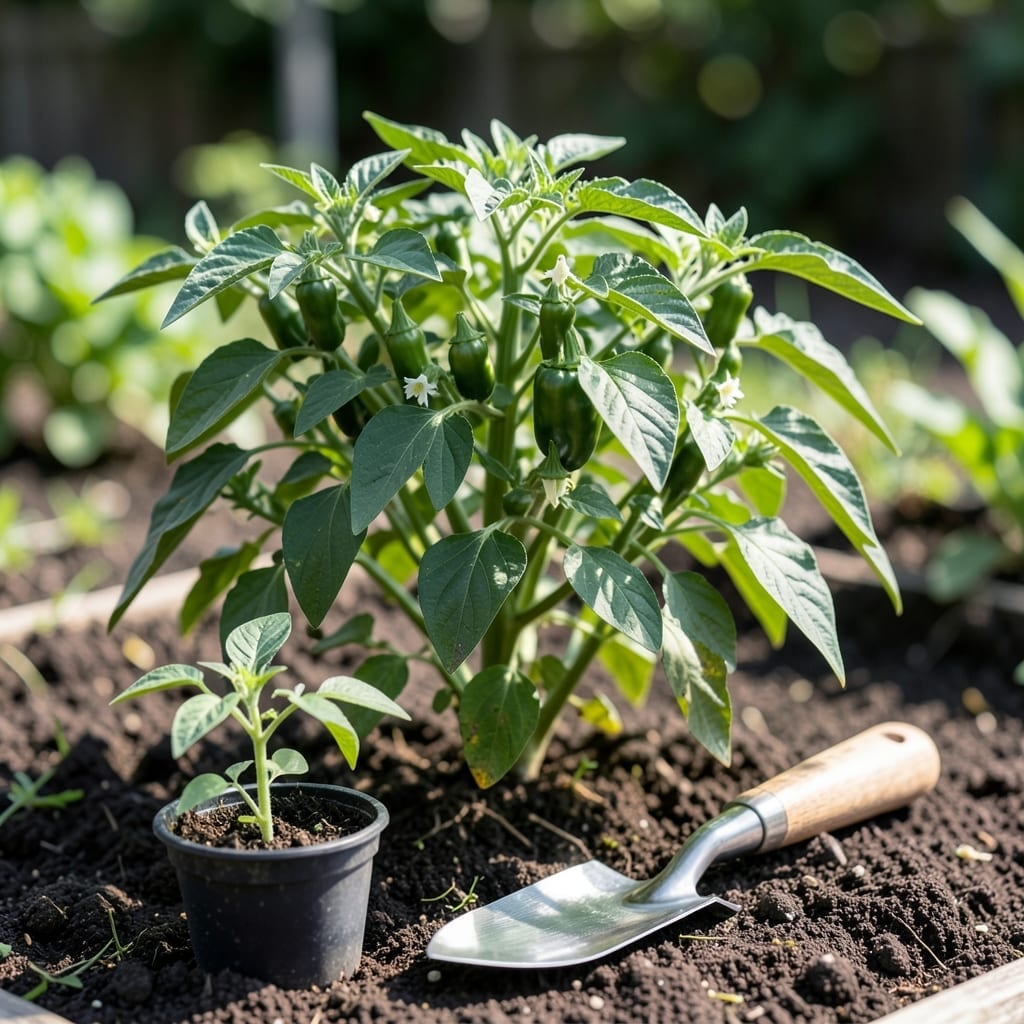
Timing is everything when planting Bell Pepper 🌶️ in Washington State, where the cool maritime climate can make or break your harvest.
Get it right, and you’ll enjoy vibrant, homegrown peppers all season long. The key lies in understanding our unique growing conditions and working with them, not against them.
I’ve learned through experience that even a few days can mean the difference between a bountiful crop and a disappointing one. Whether you’re in Zone 7b or 9a, there’s a sweet spot for planting success.
Discover the precise timing that works for your corner of Washington and how to prepare your soil for the best results.
Washington State spans USDA Zones 4-9, each with unique bell pepper planting windows. The key is waiting until soil temps hit 60°F, which varies by region. Western WA often warms later than Eastern WA. ☀️
In Zones 7-9 (Seattle, Spokane), mid-May to early June is ideal. For Zones 4-6 (higher elevations), wait until late May or early June when frost risk passes. 🌱
| Zone | Last Frost Date | Planting Window | Soil Temp |
|---|---|---|---|
| 4-6 | May 15 – June 1 | Late May – Early June | 60°F+ |
| 7-8 | April 15 – May 1 | Mid-May – Early June | 60°F+ |
| 9 | March 15 – April 1 | Early May – Mid-May | 60°F+ |
I always start seeds indoors 8-10 weeks before the last frost date. This gives bell peppers a head start in our short growing season. Use heat mats to maintain 70-80°F soil temps for germination. 🌿
Transplant seedlings outdoors only after nighttime temps stay above 55°F. In Western WA, this often means waiting until late May. Eastern WA gardeners can plant 1-2 weeks earlier due to warmer springs.
Soil preparation is critical. I amend with compost and ensure well-draining beds. Bell peppers hate waterlogged roots, so raised beds work well in our rainy climate. ✂️
For Zone 4-6 gardeners, black plastic mulch helps warm soil faster. In Zone 9, you might get away with direct sowing in late April, but I still recommend starting indoors for best results.
Variety selection matters too. Choose early-maturing types like ‘King of the North’ or ‘Lunchbox’ for cooler areas. These mature in 60-70 days, fitting our season better than long-season varieties.
Remember that microclimates can shift your planting window. South-facing slopes or urban heat islands may allow earlier planting. I use a soil thermometer to confirm temps before transplanting. 🌡️
In my experience, container growing offers flexibility. You can move pots to sunnier spots or indoors if late frosts threaten. Just ensure containers are at least 12 inches deep for proper root development.
Washington’s short growing season doesn’t have to limit your bell pepper harvest. With a few smart strategies, I’ve found you can enjoy peppers well into fall. The key is starting early and protecting plants from cool temps.
Begin seeds indoors 8-10 weeks before the last frost date. This gives your bell pepper seedlings a strong head start before transplanting outdoors 🌱
I always recommend row covers for early spring planting. They create a mini greenhouse effect that can add 2-4 weeks to your season. Just
Another game-changer is selecting early varieties. Look for bell peppers that mature in 60-70 days rather than 90. Varieties like ‘King Arthur’ or ‘Ace’ do well in Washington’s climate.
Don’t overlook your garden’s natural microclimates. A sunny spot against a south-facing wall can be 5-10°F warmer than open areas. I’ve had great success planting peppers in these protected spots.
Finally, black plastic mulch is my secret weapon. It absorbs heat during the day and releases it at night, keeping soil temperatures consistently warm for pepper roots ✂️