
Beautiful Plants For Your Interior
Beautiful Plants For Your Interior
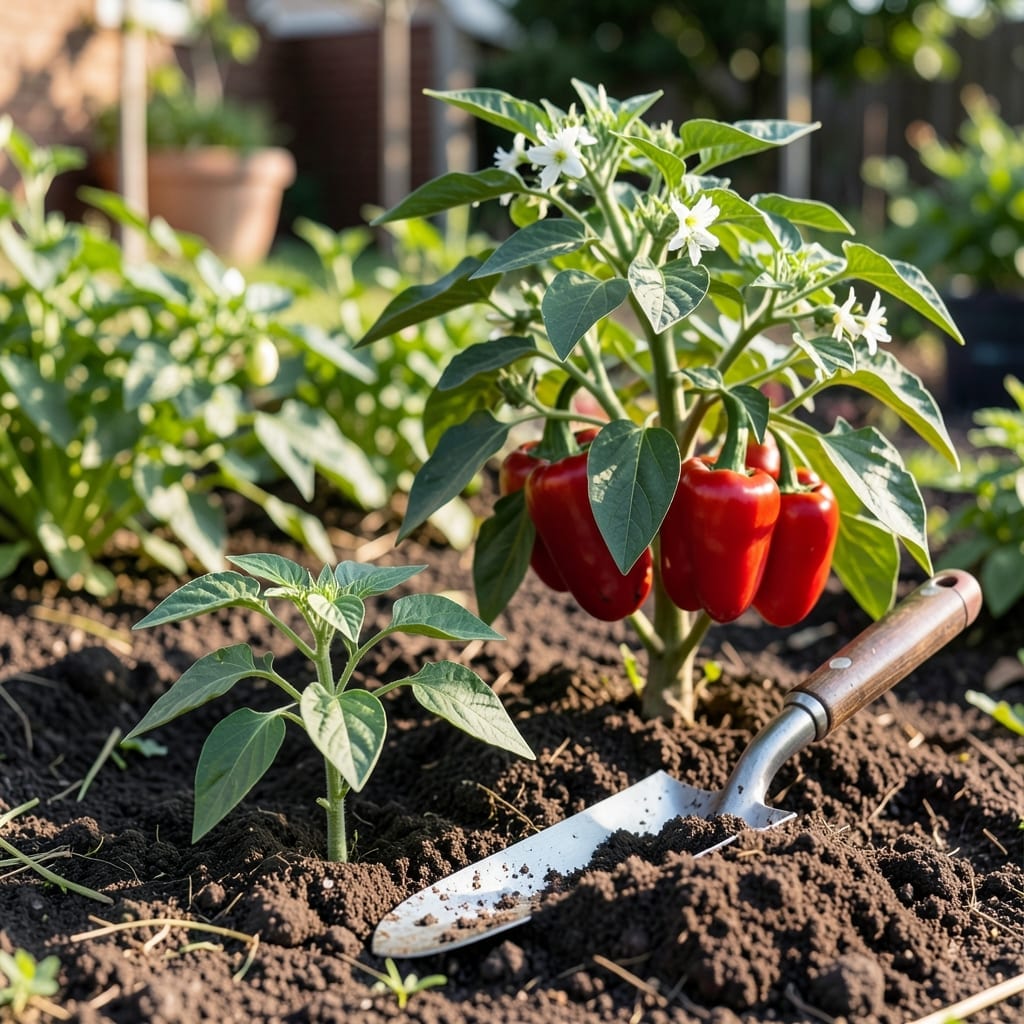
Timing is everything when growing Bell Peppers in South Florida’s unique climate. Plant too early or too late, and you risk poor yields or stunted growth.
The 10b zone offers a long growing season, but the 🌶️ Bell Pepper thrives best when planted during cooler months. This window avoids the intense summer heat that can stress young plants.
I’ve seen gardeners struggle with timing, only to miss out on a bountiful harvest. The good news? With the right schedule, you can enjoy fresh peppers from November through May.
Discover the exact months to plant and how to prepare your garden for success. Let’s get started on growing the best Bell Peppers South Florida has to offer.
South Florida’s USDA Zone 10b offers a long growing season, but bell peppers thrive best when planted during cooler months. The ideal window spans from August to February, avoiding the brutal summer heat. 🌱
I’ve found that late summer to early fall planting allows peppers to establish before winter, while late winter planting ensures a spring harvest. Micro-climates like Miami vs. Fort Myers may shift these dates slightly. 🌿
For Miami gardeners, the earliest planting can start in late July, as the city’s coastal climate stays warmer longer. However, inland areas like Fort Myers may need to wait until early August to avoid heat stress. ✂️
Bell peppers struggle in temperatures above 90°F, so planting in peak summer often leads to blossom drop or poor fruit set. I always recommend starting seeds indoors 8-10 weeks before transplanting. 🌱
The second best window is January-February, when cooler nights and mild days create perfect conditions. This timing also avoids the rainy season, which can cause fungal issues in peppers. 💧
If you’re eager to start earlier, July planting can work with shade cloth and consistent watering. However, expect slower growth and lower yields compared to fall or winter plantings. ☀️
Container gardeners have more flexibility, as pots can be moved to shadier spots during heatwaves. Just ensure your containers have drainage holes and use a well-draining potting mix. 🪴
I’ve seen March plantings succeed in some years, but they’re riskier due to rising temperatures. If you try this, choose heat-tolerant varieties like ‘Caribbean Red’ or ‘Jupiter’. 🌿
Remember, South Florida’s frost-free status means you can grow bell peppers year-round, but timing is key for the best results. Stick to the August-February window for the most reliable harvests. 🌱
Preparing your South Florida garden for Bell Peppers starts with timing. I recommend planting in August through February to avoid the brutal summer heat that can stress these veggies. This window aligns perfectly with the cool season in USDA Zone 10b. 🌱
Soil preparation is key. Bell Peppers thrive in well-draining soil with a pH of 6.0-6.8. Mix in plenty of compost or aged manure to boost fertility. If your soil is sandy, add peat moss to improve moisture retention. 🌿
For container gardening, select 5-gallon pots with drainage holes. Fill them with a light potting mix and place in a sunny spot. Urban gardeners often find this method ideal for balcony or patio growing. ✂️
Temperature control matters. Bell Peppers prefer 70-80°F days and 60-70°F nights. In South Florida, afternoon shade can help during unseasonable heat waves. Use shade cloth if temperatures spike above 90°F. ☀️
Variety selection is crucial. I’ve had great success with ‘Jupiter’ and ‘Aristotle’ for their heat tolerance and disease resistance. These varieties handle South Florida humidity better than others. Always choose transplants over seeds for faster harvests.
Finally, don’t forget consistent watering. Drip irrigation works best to keep foliage dry and prevent disease. Water in the early morning to reduce evaporation. With these steps, you’ll set your Bell Peppers up for a productive season. 💧