
Beautiful Plants For Your Interior
Beautiful Plants For Your Interior
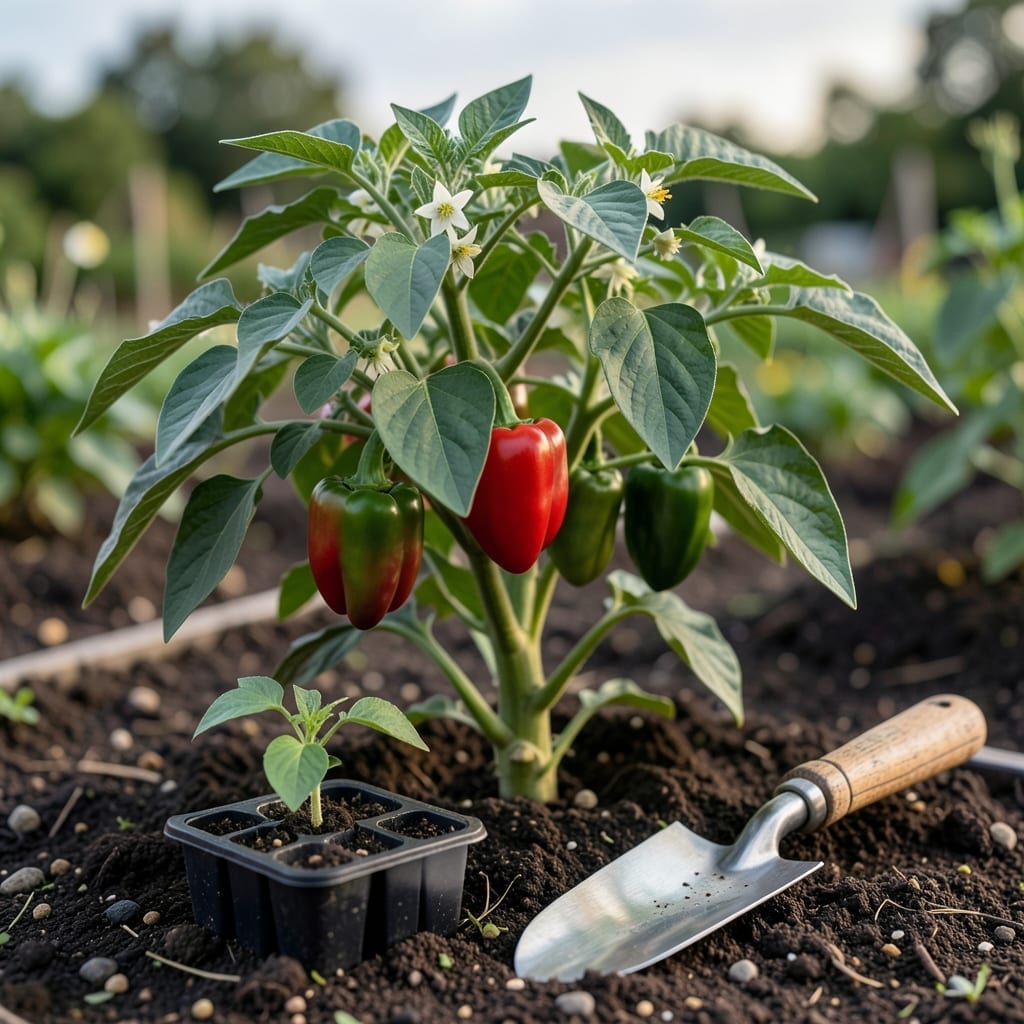
Timing is everything when it comes to planting Bell Pepper 🌶️ in Pennsylvania. Plant too early, and cold soil stunts growth; too late, and you miss the season’s peak.
As a gardener in zone 6b, I’ve learned that getting this right means the difference between a mediocre harvest and a bumper crop. The window is tighter than you might think.
This guide breaks down the perfect planting schedule for PA gardeners, so you can set your Bell Pepper 🌶️ up for success from the start. No more guessing or wasted effort.
Discover the exact timing and techniques I use to ensure healthy plants and a faster, more productive growing season.
Pennsylvania spans USDA zones 4-7, and each has a slightly different bell pepper planting window. The key is waiting until soil temps hit 60°F—cold soil stunts growth and delays harvests. I always check my local last frost date first.
In zone 6b (Philadelphia area), I aim for mid-May to transplant seedlings outdoors. In cooler zone 5 (Pittsburgh), late May is safer. Northern zone 4 gardeners should wait until early June to avoid late frosts.
| Zone | Last Frost | Plant Outdoors | Soil Temp |
|---|---|---|---|
| 4 | May 15 | Early June | 60°F+ |
| 5 | May 1 | Mid-May | 60°F+ |
| 6a | April 25 | Early May | 60°F+ |
| 6b | April 20 | Mid-April | 60°F+ |
| 7 | April 10 | Late April | 60°F+ |
For earlier harvests, I start bell pepper seeds indoors about 8-10 weeks before my last frost date. This gives seedlings time to grow sturdy before transplanting. Use grow lights if natural light is scarce.
Soil temperature is critical—below 55°F can shock young plants. I use a soil thermometer to check. If the soil is too cool, I wait or use black plastic mulch to warm it faster.
In southern PA, gardeners can sometimes plant early April under row covers for protection. But I’ve found that mid-May is the sweet spot for most of the state to avoid unexpected cold snaps.
Remember, bell peppers love heat. If nighttime temps drop below 50°F, I cover my plants with frost cloth. This simple step can prevent stunted growth and ensure a strong start.
For container gardening, I plant peppers in 5-gallon pots filled with well-draining potting mix. Containers warm up faster than garden soil, so I can plant a week or two earlier in spring.
No matter your zone, consistent moisture is key after planting. I water deeply 2-3 times per week until plants establish. Then, I taper off to 1-2 inches weekly to encourage deep roots.
☀️Getting your Pennsylvania garden ready for bell peppers starts with soil preparation and timing. I always begin by testing my soil’s pH level—aim for 6.0 to 6.8 for optimal growth. Work in plenty of compost to improve drainage and fertility.
Since Pennsylvania’s last frost date varies, I start my bell pepper seeds indoors about 8 to 10 weeks before transplanting. This gives seedlings enough time to grow strong before moving them outside.
When it’s time to transplant, I ensure the soil temperature is at least 60°F. Cold soil can shock young plants and stunt their growth. I also space my bell pepper plants about 18 to 24 inches apart to allow for proper air circulation.
Don’t forget to mulch around the base of each plant to retain moisture and suppress weeds. This simple step can make a big difference in keeping your bell peppers healthy and productive throughout the season.
If you’re in a cooler part of PA, consider using black plastic mulch to warm the soil faster in spring. This can give your plants a head start and extend your growing season.
Finally, I always keep an eye on the weather forecast after transplanting. If a late frost is predicted, I cover my young plants with frost cloth to protect them from cold damage.
✂️