
Beautiful Plants For Your Interior
Beautiful Plants For Your Interior
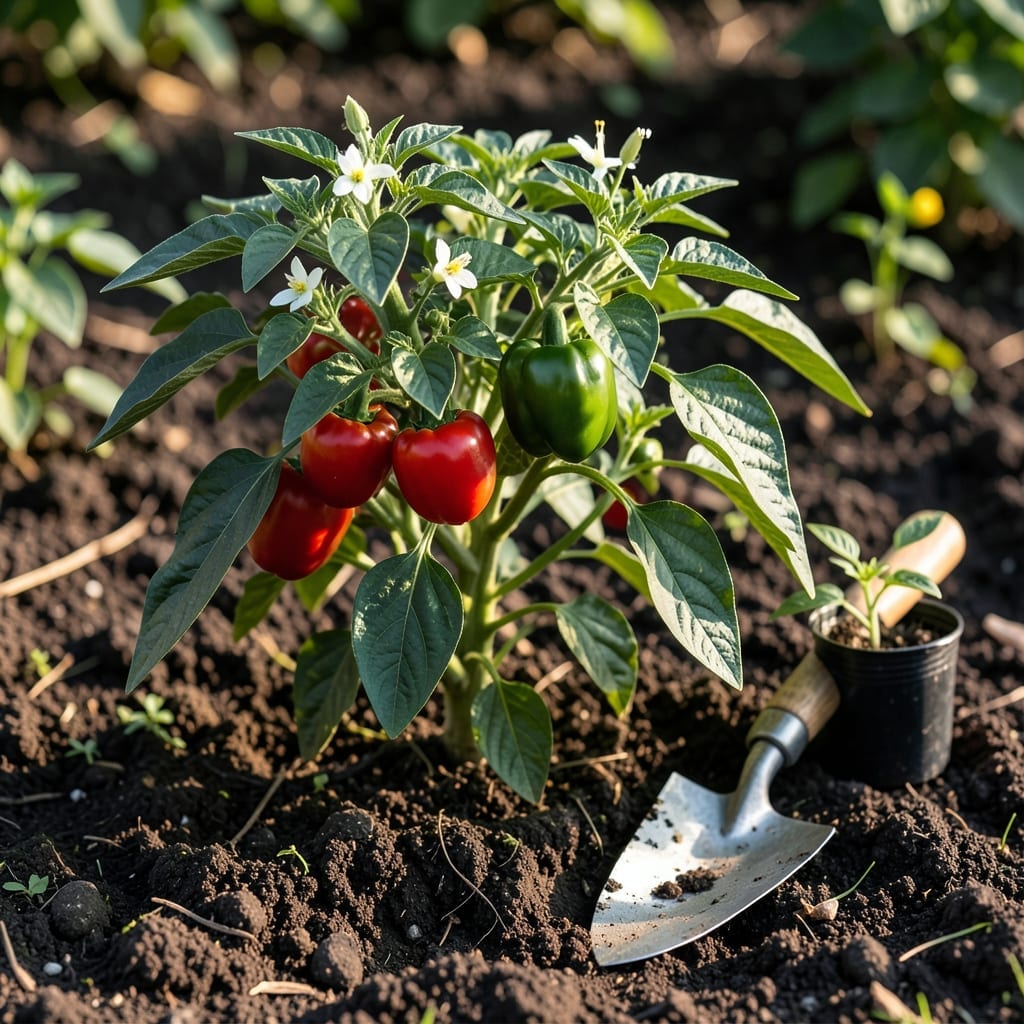
Timing is everything when growing Bell Pepper in Oklahoma’s unpredictable climate. Plant too early, and a late frost could wipe out your crop. Plant too late, and the summer heat may stunt their growth.
Getting this right means the difference between a bountiful harvest and a disappointing season. The 🌶️ thrives when the soil is warm and the risk of frost has passed.
I’ve learned through trial and error that Oklahoma’s 6b-7a zones demand precision. The window is narrow, but the rewards are worth it.
Discover the exact timeline to set your Bell Pepper plants up for success. Let’s get you planting with confidence.
Oklahoma’s varied climate means your bell pepper planting timing depends on where you live. The state spans USDA zones 6b-7a, with Eastern Oklahoma being cooler and wetter than the drier Western regions.
For most gardeners, the optimal window is after the last frost when soil temps hit 70-80°F. This usually falls between mid-April and early May for Central and Eastern areas. ☀️
| Region | Planting Window | Last Frost Date |
|---|---|---|
| Eastern OK | April 15 – May 1 | April 15 |
| Central OK | April 10 – April 25 | April 10 |
| Western OK | April 1 – April 15 | April 1 |
Note: Adjust for microclimates and late-season planting.
In Eastern Oklahoma, the cooler springs mean you should wait until mid-April to be safe. The Central region can often plant a week earlier due to slightly warmer conditions.
For Western Oklahoma, where it’s hotter and drier, you can start as early as April 1st. But always check your local soil temperature with a thermometer.
Fall planting is possible in all regions if you start seeds indoors in June for a late summer transplant. This gives you a second harvest before the first frost in October.
I always recommend using black plastic mulch to warm the soil faster in spring. This can give you a 1-2 week head start on the growing season.
Remember that bell peppers need 60-90 days to mature. Planting too late in summer means your plants may struggle with heat stress during fruiting.
If you’re eager to get started, you can begin seeds indoors 8-10 weeks before your last frost date. This gives your seedlings a strong start for transplanting.
For the best results, choose early-maturing varieties like ‘Jupiter’ or ‘Aristotle’ if you’re in a shorter growing season area. These can produce fruit in as little as 60 days. 🌱
Planting bell peppers in Oklahoma requires more than just good timing. The soil preparation makes a huge difference in how well your plants establish and grow.
I always start by testing my soil pH, aiming for 6.0-6.8 for optimal nutrient uptake. Amending with compost or aged manure boosts fertility and improves drainage, which peppers love. ☀️
Microclimates can significantly affect your planting schedule. Urban areas and south-facing slopes tend to warm up faster in spring. I’ve found that raised beds warm about 2 weeks earlier than in-ground plantings.
Variety selection matters too. For Oklahoma’s heat, I recommend heat-tolerant varieties like ‘Carolina Wonder’ or ‘Sweet Banana’. These handle our summer temperatures better than standard types.
Watering practices are another key factor. Consistent moisture is essential, but avoid wetting the foliage to prevent disease. I use drip irrigation to keep water at the root zone where it’s needed most.
Finally, don’t overlook the importance of acclimating seedlings. Gradually expose them to outdoor conditions over 7-10 days before transplanting. This prevents shock and ensures stronger, more productive plants. 🌱