
Beautiful Plants For Your Interior
Beautiful Plants For Your Interior
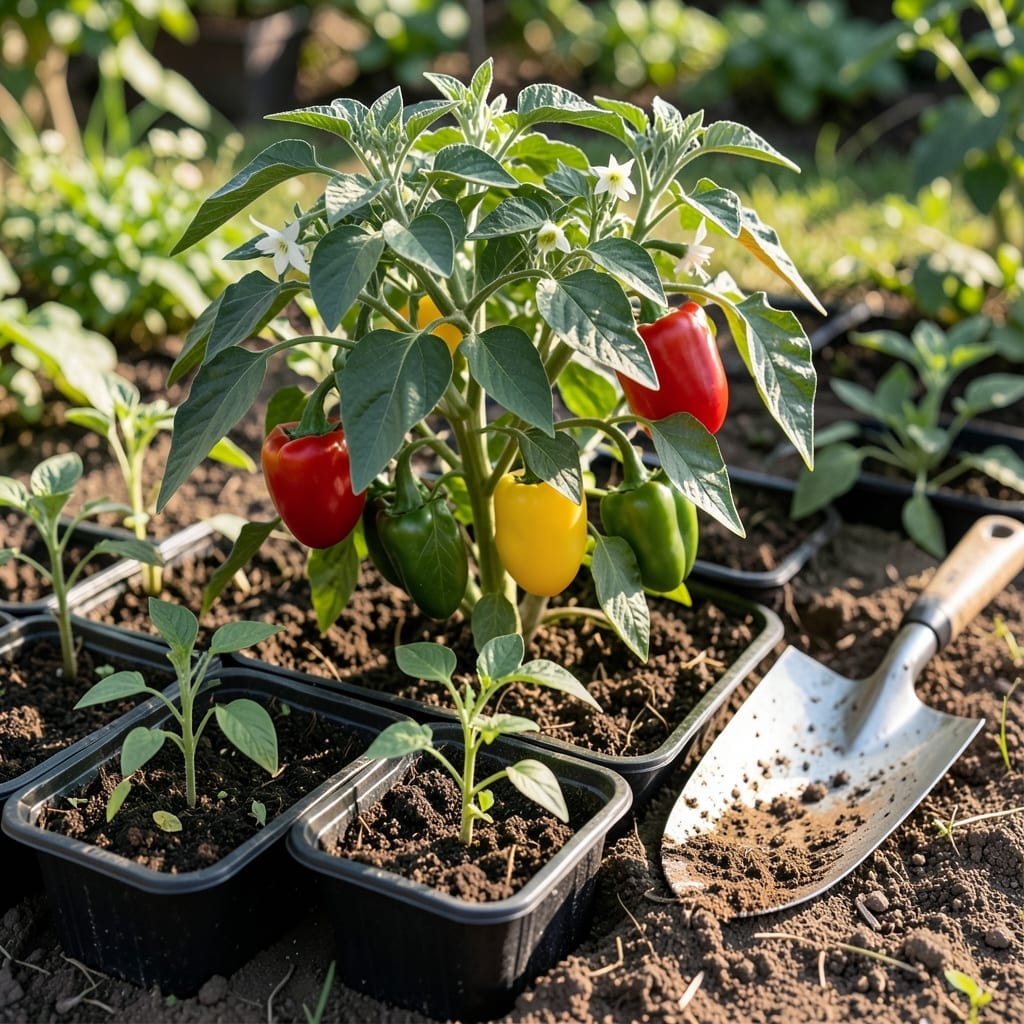
Timing is everything when growing Bell Pepper 🌶️ plants in Kansas. Plant too early, and a late frost could wipe out your seedlings. Wait too long, and you might miss the best growing window.
In our 6a climate, getting the timing right means the difference between a bountiful harvest and disappointment. I’ll show you exactly when to get those peppers in the ground for maximum success.
We’ll cover the most important factors: last frost dates, soil temperature requirements, and regional variations across the state. No more guessing games.
Discover the simple strategies that ensure your Bell Pepper plants thrive from the very first day in the soil. Let’s make this your best growing season yet.
Getting bell peppers in the ground at the right time is critical in Kansas. The state’s variable climate means you’ll need to adjust based on whether you’re in Eastern, Central, or Western Kansas, as frost dates shift significantly.
In Eastern Kansas, the last frost date typically falls around April 15, while Western Kansas can see frost as late as May 1. Soil temperature is just as important—wait until it reaches at least 60°F for best results.
| Region | Last Frost Date | Planting Window | Soil Temp Requirement |
|---|---|---|---|
| Eastern Kansas | April 10-15 | Mid-April to early May | 60°F+ |
| Central Kansas | April 20-25 | Late April to mid-May | 60°F+ |
| Western Kansas | April 25-May 1 | Early May to late May | 60°F+ |
For early varieties like ‘Jupiter’ or ‘Ace’, you can push the envelope slightly by starting seeds indoors about 8-10 weeks before your region’s last frost date. This gives seedlings a head start for transplanting.
Late varieties like ‘King Arthur’ or ‘Gourmet’ need the full warmth of summer, so wait until mid-May in most regions. These types often produce larger, sweeter peppers but require a longer growing season.
I always recommend using a soil thermometer to confirm temperatures. Even if air temps are warm, cold soil can shock young plants and stunt growth. Aim for consistent warmth at a 4-inch depth before transplanting.
In urban areas like Wichita or Kansas City, the heat island effect can create microclimates that allow for slightly earlier planting. However, rural areas often follow the standard regional guidelines more closely.
If you’re eager to get started, consider using black plastic mulch to warm the soil faster. This technique can give you a 1-2 week advantage in cooler areas while also suppressing weeds.
Remember that bell peppers are warm-season crops that thrive in full sun and well-draining soil. In Kansas, our clay-heavy soils often need amendment with compost to improve drainage and fertility.
Finally, keep an eye on the 10-day forecast before planting. A surprise late frost can devastate young plants, so have frost cloths or row covers ready just in case.
✂️Preparing your Kansas garden for bell peppers starts with soil preparation. Our clay-heavy soils need amending with compost or aged manure to improve drainage and fertility for these warm-season crops.
I always begin by testing my soil pH – bell peppers prefer a slightly acidic range between 6.0-6.8. If needed, add lime to raise pH or sulfur to lower it before planting.
For hardening off your seedlings, start by placing them outdoors in partial shade for a few hours each day, gradually increasing exposure to full sun and wind over a week.
Consider using raised beds if your soil is particularly heavy. They provide better drainage and warm up faster in spring, giving your bell peppers a head start in Kansas’ variable climate.
Finally, protect your young plants from Kansas’ unpredictable spring weather. Keep row covers or frost cloths handy for unexpected cold snaps, and consider using windbreaks in exposed areas. ☀️