
Beautiful Plants For Your Interior
Beautiful Plants For Your Interior
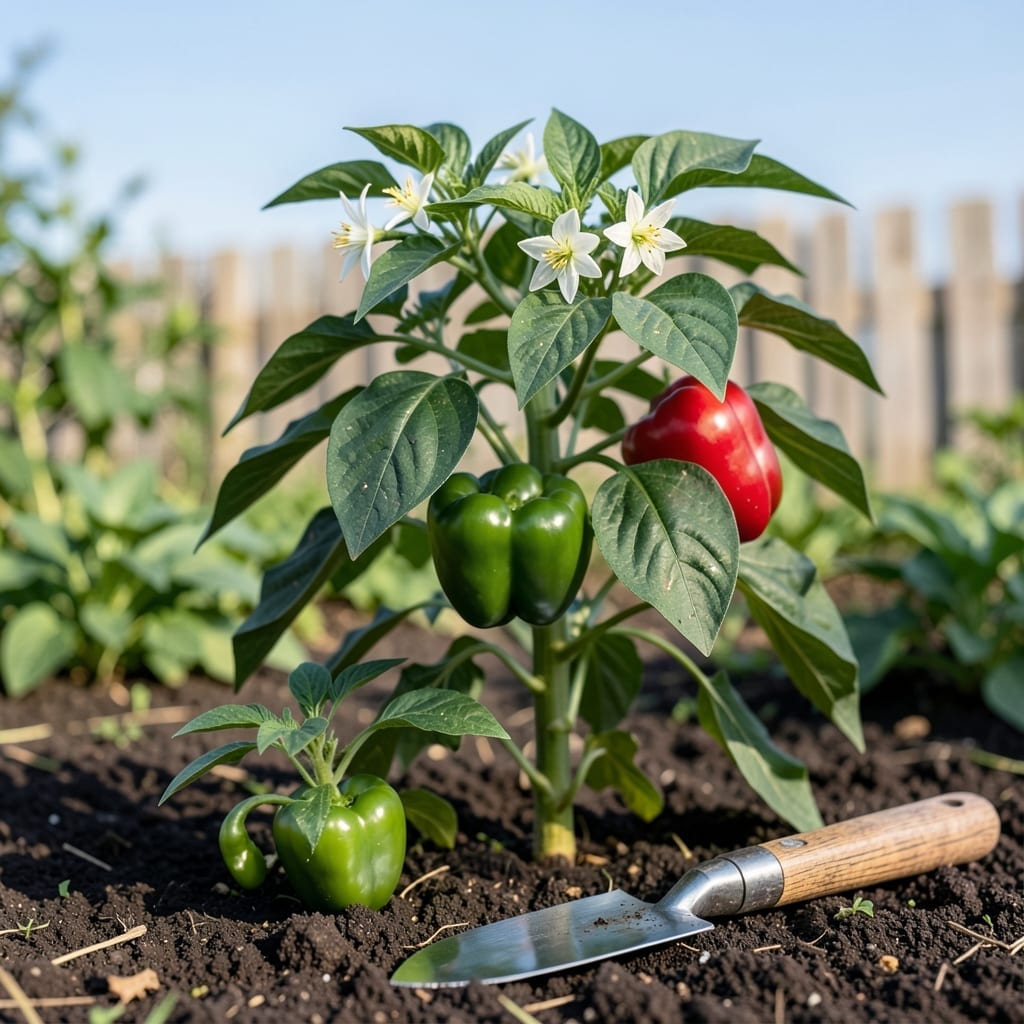
Timing is everything when planting Bell Peppers in Indiana’s unpredictable climate. Plant too early, and frost can wipe out your crop; too late, and you’ll miss the prime growing season.
I’ve learned the hard way that this veggie needs warm soil and consistent temperatures to thrive. The difference between a lackluster harvest and a bumper crop often comes down to just a few weeks.
Whether you’re a first-time gardener or a seasoned pro, knowing the optimal window for your zone is the key to success. Indiana’s 5b-6a zones have specific needs that can make or break your peppers.
Let me walk you through the exact timing and preparation steps to ensure your 🌶️ Bell Peppers get the best possible start this season.
Indiana spans USDA zones 5a-6b, meaning your last frost date varies from mid-April to early May. I always check my local frost calendar to pinpoint the best time for my area.
Bell peppers need soil temps of 70-80°F to thrive. Planting in cold soil stunts growth, so I wait until it’s consistently warm.
| Zone | Last Frost Date | Start Seeds Indoors | Transplant Outdoors |
|---|---|---|---|
| 5a | April 15-20 | Feb 1-10 | May 1-10 |
| 5b | April 20-25 | Feb 10-15 | May 5-15 |
| 6a | April 25-May 1 | Feb 15-20 | May 10-20 |
| 6b | May 1-5 | Feb 20-25 | May 15-25 |
I start my bell pepper seeds indoors about 8-10 weeks before the last frost. This gives them a head start before moving them outside.
For zone 5a, that means seeding around early February. By the time the last frost passes, my seedlings are sturdy and ready for the garden.
In zone 6b, I can wait until late February to start seeds. The warmer climate allows for a slightly later start without sacrificing the growing season.
I always use a soil thermometer to check temperatures. If it’s below 60°F, I hold off on transplanting, even if the air is warm.
Row covers or black plastic mulch can help warm the soil faster. I’ve found this especially useful in cooler zones like 5a.
For early planting, I choose fast-maturing varieties like ‘Early Jalapeño’ or ‘Ace’. These can handle Indiana’s shorter season better than long-season types.
Once transplanted, I keep an eye on the 10-day forecast. If a late frost is predicted, I cover my plants with frost cloth to protect them.
Consistent moisture is key after planting. I water deeply once a week, more if we hit a dry spell. Drip irrigation works best to avoid wetting the leaves.
By following this schedule, I’ve had great success with healthy bell pepper plants that produce abundant harvests from July to October. 🌱
Getting your Bell Pepper seedlings ready for Indiana’s spring requires careful preparation. I always start by testing soil temperature—it must be at least 60°F for healthy root development. Cold soil can stunt growth or kill young plants.
Begin hardening off seedlings about 7-10 days before transplanting. Gradually expose them to outdoor conditions, starting with a few hours of shade and increasing sunlight daily. This prevents transplant shock.
Row covers are a game-changer for early planting. They trap heat and protect seedlings from late spring frosts, which are common in Indiana. Just
For the best results, I recommend selecting disease-resistant varieties suited for Indiana’s climate. ‘Ace’ and ‘Aristotle’ are excellent choices—they mature quickly and tolerate cooler nights better than most 🌱
Don’t overlook soil preparation. Bell peppers thrive in well-draining, loamy soil with a pH between 6.0-6.8. A simple soil test kit from your local extension office can save you a lot of guesswork.
Finally, water seedlings deeply after transplanting to help roots establish. Avoid wetting the leaves to prevent fungal diseases. With these steps, your peppers will be off to a strong start even in Indiana’s finicky spring weather 🌿