
Beautiful Plants For Your Interior
Beautiful Plants For Your Interior
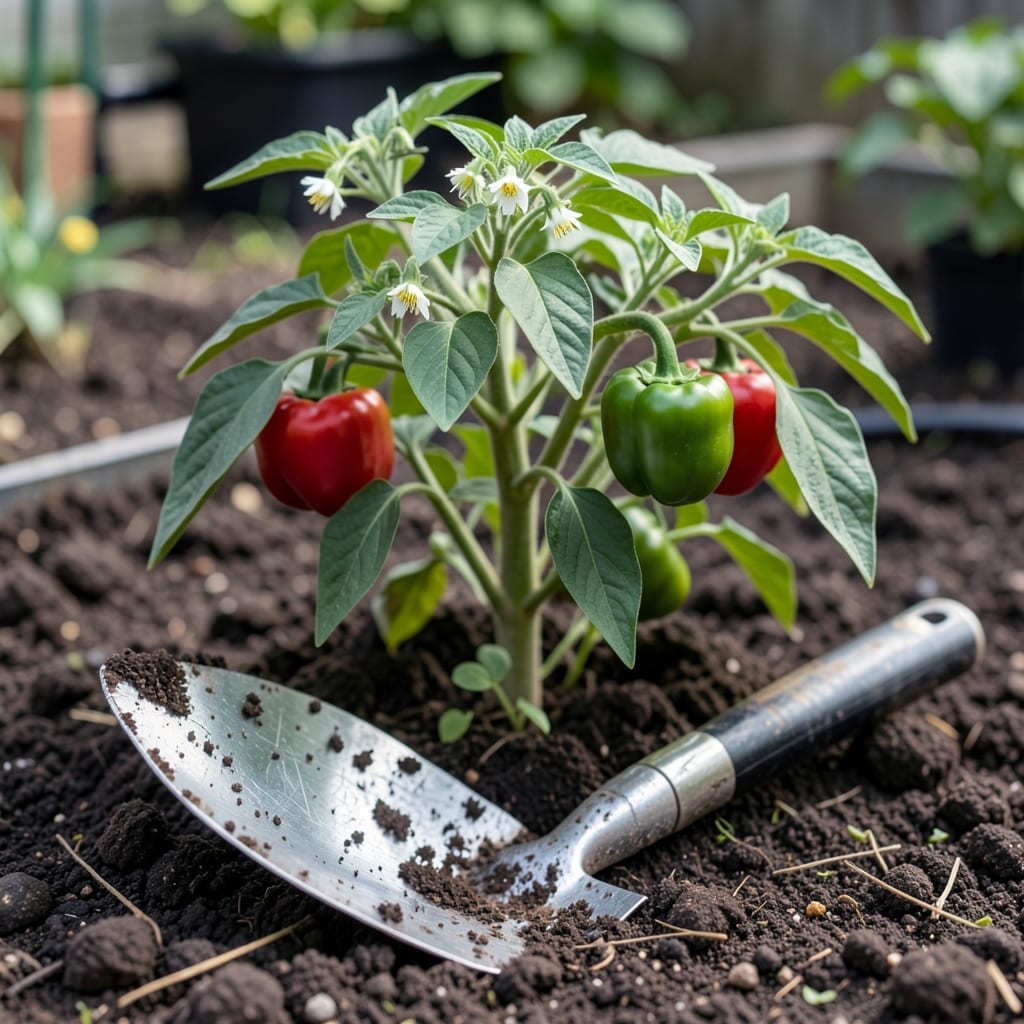
Timing is everything when it comes to growing Bell Pepper in Alabama’s warm climate. Plant too early, and frost can wipe out your crop; too late, and the summer heat may stunt their growth.
In zones 7b-8a, the sweet spot for planting is just after the last frost, when the soil has warmed. This window gives your 🌶️ the best start for a bountiful harvest from June to October.
But it’s not just about picking a date. Preparing your soil and seedlings the right way ensures they thrive in Alabama’s humidity and heat. I’ll show you how to set them up for success.
Whether you’re a first-time gardener or a seasoned pro, getting this timing right can make all the difference. Let’s get your Bell Pepper plants off to a strong start.
In Alabama’s Zone 8, timing your bell pepper planting is crucial for a successful harvest. The last frost date is typically around March 15, but soil warmth matters more than air temperature for these heat-loving plants.
Bell peppers thrive when soil temperatures reach at least 60°F. In Alabama, this usually happens in late March to early April, making it the ideal window for transplanting seedlings outdoors.
| Stage | Action | Timing |
|---|---|---|
| Start Seeds Indoors | 8-10 weeks before last frost | Early January |
| Transplant Seedlings | After last frost, soil ≥60°F | Late March – April |
| First Harvest | Peppers reach full size/color | June – July |
| Peak Harvest | Continuous picking | July – October |
I always recommend starting seeds indoors in early January to give your plants a head start. This ensures they’re ready to transplant by the time the soil warms up in spring.
If you prefer buying transplants, look for healthy seedlings at your local nursery in late March. Avoid plants with flowers or fruit already forming, as they may struggle to adapt.
Alabama’s long growing season means you can also plant a second crop in late summer for a fall harvest. Just be sure to get them in the ground by early August.
For the best results, harden off your seedlings for 7-10 days before transplanting. This means gradually exposing them to outdoor conditions to reduce shock.
Soil preparation is key. I mix in plenty of compost and ensure the bed has good drainage to prevent waterlogging, which bell peppers despise.
In North Alabama, where it’s slightly cooler, you might wait until early April to plant. In the southern regions, like Mobile, you can often plant 2-3 weeks earlier.
Remember, bell peppers need full sun—at least 6-8 hours daily—and consistent moisture. Mulching helps retain soil moisture and keeps roots cool during hot spells.
With the right timing and care, you’ll enjoy abundant bell peppers from summer through fall in Alabama’s favorable climate. ☀️
Transplanting bell peppers in Alabama requires careful timing to avoid frost damage and heat stress. I always wait until soil temperatures reach at least 60°F for best results.
Start by hardening off seedlings about 7-10 days before transplanting. This helps them adjust to Alabama’s humid conditions and direct sunlight.
Alabama’s clay-heavy soil can be challenging, so I always amend with compost before planting. This improves drainage and provides essential nutrients.
For best results, transplant in the early morning or on a cloudy day to reduce transplant shock. This gives your bell peppers time to establish before the heat kicks in.
After transplanting, monitor for pest activity, especially aphids and pepper maggots, which are common in Alabama. I use row covers early on for protection.
Finally, keep the soil consistently moist but not waterlogged. In Alabama’s heat, drip irrigation works best to deliver water directly to the roots.
☀️