
Beautiful Plants For Your Interior
Beautiful Plants For Your Interior
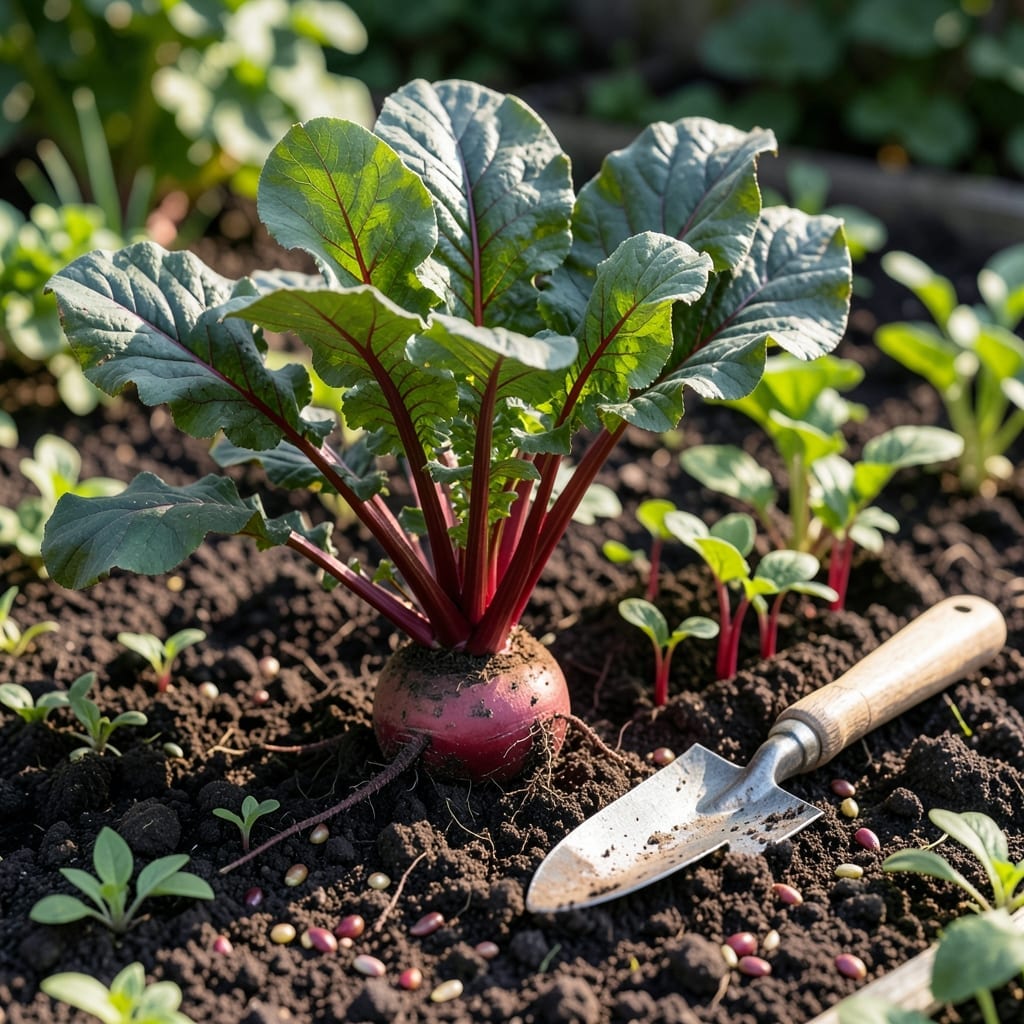
There’s something magical about pulling sweet, earthy beets from the soil in the crisp days of fall. But here’s the catch: timing is everything when it comes to fall planting.
Plant too early, and you’ll battle summer heat. Too late, and frost might claim your crop. The perfect window exists, and I’m here to help you find it.
For gardeners in Zone 6, the 🥬 beets thrive when sown in late summer. This timing allows them to mature just as temperatures cool, producing the most tender, flavorful roots.
Discover exactly when to get those seeds in the ground and how to set your beets up for a bountiful late-season harvest.
Timing your fall beet planting correctly ensures a sweet, tender harvest before winter sets in. I’ve found that cool temperatures enhance beet flavor, but planting too late risks frost damage or stunted growth.
The key is to sow seeds 8-10 weeks before your area’s first frost date. This gives beets enough time to mature while avoiding the harshest cold. For most gardeners, this means planting in late summer or early fall.
| USDA Zone | Planting Window | Days to Maturity |
|---|---|---|
| Zones 3-4 | Early to mid-August | 50-60 days |
| Zones 5-6 | Mid to late August | 55-65 days |
| Zones 7-8 | Late August to September | 60-70 days |
| Zones 9-10 | September to early October | 70-75 days |
In cooler zones (3-4), I recommend starting seeds by mid-August to ensure beets reach 1-3 inches in diameter before the first frost. The soil temperature should be between 50°F and 85°F for optimal germination.
For zones 5-6, planting in late August works well, as beets can tolerate light frosts. I’ve had success with varieties like ‘Detroit Dark Red’, which matures in about 60 days.
Gardeners in warmer zones (7-10) can plant later, even into October. However, watch for heatwaves, as temperatures above 85°F can inhibit germination. I use shade cloth to protect seedlings during unexpected warmth.
A soil thermometer is my go-to tool for checking conditions. If the soil is too cold, seeds may rot or fail to sprout. I also pre-soak seeds for 24 hours to speed up germination in cooler weather.
Don’t forget to mulch heavily after planting to retain moisture and insulate roots. Straw or shredded leaves work well. This also helps prevent soil crusting, which can block emerging seedlings.
Finally, keep the soil consistently moist but not waterlogged. Beets need about 1 inch of water per week. I water in the early morning to reduce evaporation and fungal risks.
With the right timing and care, you’ll enjoy sweet, earthy beets well into the fall season 🌱
Choosing the right beet variety for fall planting can make all the difference. I look for cold-hardy types that mature quickly and handle light frosts without sacrificing flavor or texture.
Some varieties even sweeten up after a touch of frost, making them perfect for late-season harvests. Here are my top picks for fall beet planting success.
| Variety | Cold Tolerance | Days to Maturity |
|---|---|---|
| ‘Detroit Dark Red’ | High | 60 days |
| ‘Boltardy’ | Very High | 55 days |
| ‘Lutz Winter Keeper’ | Excellent | 70 days |
| ‘Chioggia’ | High | 60 days |
| ‘Golden’ | Moderate | 55 days |
‘Detroit Dark Red’ is my go-to for classic flavor and reliability. It handles cool temps well and produces deep red roots that are perfect for roasting or fresh eating.
For early planting, I love ‘Boltardy’—it’s bolt-resistant and matures quickly, making it ideal for short fall seasons. It’s also great for succession planting.
‘Lutz Winter Keeper’ is a standout for storage potential. This heirloom variety can stay in the ground longer, and its sweet flavor actually improves after frost.
If you want something unique, try ‘Chioggia’ with its striped pink and white flesh. It’s as cold-tolerant as it is beautiful, adding a pop of color to fall dishes.
For a milder taste, ‘Golden’ beets are a great choice. They’re slightly less cold-hardy but still perform well in moderate fall climates 🌱