
Beautiful Plants For Your Interior
Beautiful Plants For Your Interior
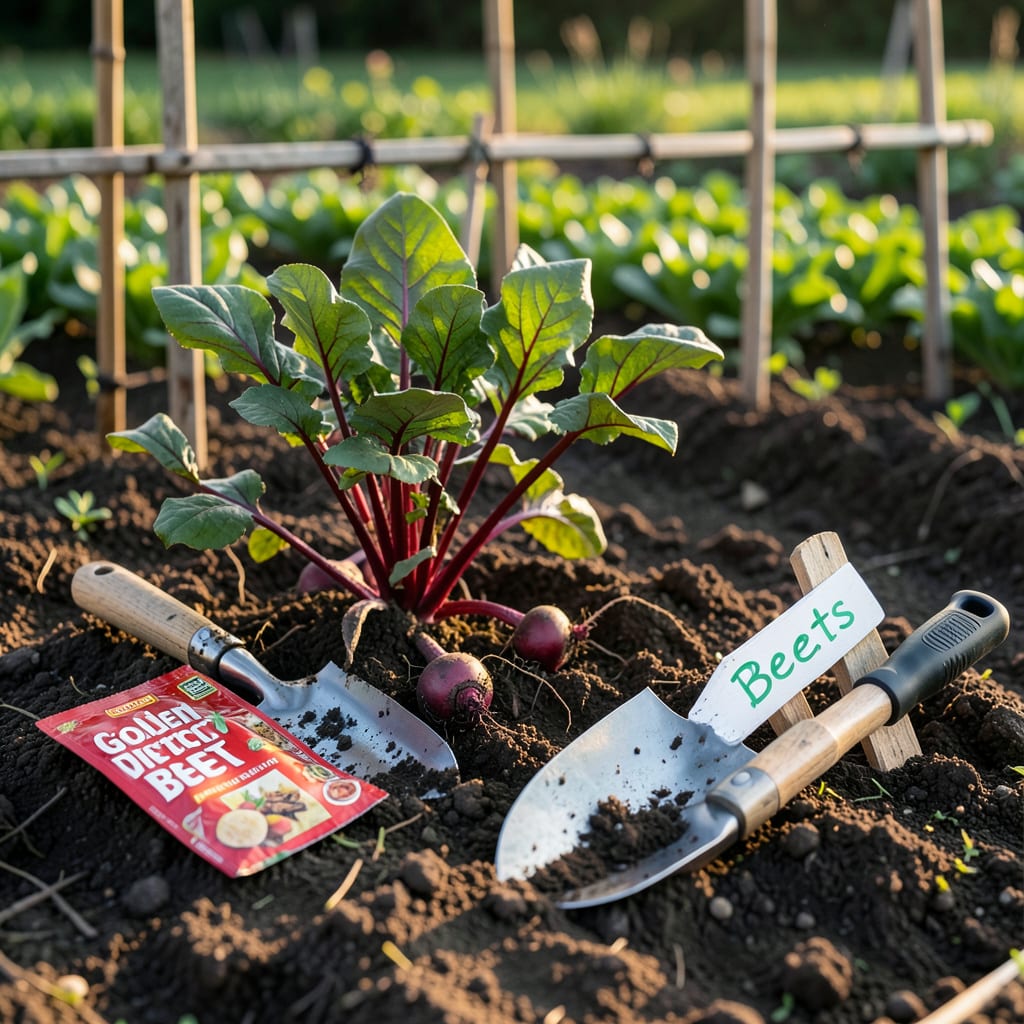
Timing your beet planting in Ohio can mean the difference between a bountiful harvest and a disappointing one. The Buckeye State’s unpredictable springs and early frosts make nailing that planting window the key to sweet, tender roots.
After years of testing what works (and what doesn’t) in zones 6a-6b, I’ve pinpointed the exact windows for both spring and fall crops. Whether you’re in Cleveland or Cincinnati, you’ll want to mark these dates on your calendar—your future beet harvest depends on it.
If you’ve ever wondered why your beets turn out woody or fail to sprout, chances are it’s all about timing and temperature. Ohio’s climate—with its USDA zones 5a to 6b—demands precision. Plant too early, and a late frost will stunt your crop. Wait too long, and summer heat turns those roots bitter.
I’ve found that Ohio gardeners get the best results by splitting their beet plantings into two key windows: an early spring crop and a late summer fall crop. The secret? Watching soil temperature (aim for 50°F+) and aligning with your zone’s last and first frost dates.
💡 Pro Tip: For both seasons, sow seeds ½ inch deep and 1 inch apart. Thin to 3 inches once sprouts reach 2 inches tall.
Northern Ohio gardeners (zones 5a-5b) should lean toward the later end of these windows. I’ve seen too many early plantings in Cleveland get zapped by a surprise frost. Down in Cincinnati or Columbus (zone 6b), you can push the envelope by 7–10 days earlier in spring.
Soil temperature is your best friend here. Use a soil thermometer—if it’s consistently above 40°F, you’re safe to plant, but 50°F+ is ideal for faster germination. In spring, warm the soil with black plastic mulch if needed. For fall, plant 10 weeks before your first frost to ensure mature roots before cold sets in.
Succession planting is a game-changer in Ohio. I plant a new row every 2–3 weeks until early June for spring beets, then resume in late July for fall. This staggers your harvest and avoids gluts. Just stop sowing by mid-August in zone 5a or late August in zone 6b to beat the frost.
Watch the 10-day forecast like a hawk. If nighttime temps dip below 28°F after planting, protect seedlings with frost blankets or cloches. Beets can handle light frosts, but prolonged freezes will damage young plants. In fall, a thick straw mulch can buy you an extra week or two of growth.
Ohio’s unpredictable springs mean you might need to adjust on the fly. One year, I planted my first beets on March 20 in zone 6a—only to lose half to a freak snowstorm. Now I wait until soil temps hit 45°F at a 2-inch depth. Patience pays off with sweeter, more tender roots.
For fall beets, timing is even trickier. Aim to harvest before hard freezes (below 25°F), but don’t rush—cooler temps actually enhance sweetness. I’ve had my best fall beets when I planted in late July and harvested after a few light frosts. The cold converts starches to sugars, making them taste like candy!
If you’re in urban areas like Columbus or Toledo, microclimates can shift your dates. Concrete and buildings retain heat, letting you plant 5–7 days earlier than rural areas. Test your soil temp in multiple spots—you might find warmer pockets near south-facing walls or fences.
Ohio’s moody weather can turn beet-growing into a gamble—one week it’s sunny and warm, the next you’re dodging frost warnings. But after years of trial and error, I’ve nailed down five foolproof tips to ensure your beets stay sweet, tender, and thriving.
The key starts with soil prep. Beets crave loose, well-draining soil with a pH of 6.0–7.0. I mix in compost and sand to prevent compacted roots. If your soil is heavy clay (common in Ohio), raised beds are your best friend. A quick soil test before planting saves headaches later.
One mistake I see Ohio gardeners make is over-fertilizing. Beets need phosphorus for root growth, not nitrogen. I use a 5-10-10 fertilizer at planting, then a light side-dressing 4 weeks later. Too much nitrogen gives you lush tops but puny, bitter roots.
Pests love Ohio beets too—especially leaf miners and flea beetles. My go-to defense? Floating row covers from day one. If you spot holes in leaves, spray with neem oil at dusk. Rotate crops yearly to break pest cycles—never plant beets where Swiss chard or spinach grew last season.
Succession planting is non-negotiable here. I sow a new row every 10–14 days until early June for spring beets, then start again in late July for fall. This ensures a steady supply and avoids a single overwhelming harvest. Just halt planting by mid-August in zone 5 or late August in zone 6.
Harvest timing impacts flavor dramatically. Pull beets when roots reach 1–3 inches in diameter—larger ones get fibrous. Twist off greens (don’t cut!) to prevent bleeding. For fall beets, leave them in the ground until after a light frost but before a hard freeze. Store unwashed in the fridge for 2–3 weeks, or in damp sand in a cool basement for months.
If Ohio’s late-spring droughts hit, don’t let soil dry out. Beets need 1–1.5 inches of water weekly. I set up a rain gauge to track rainfall and supplement with a soaker hose if we’re under an inch. Morning watering prevents fungal issues—never wet leaves after noon.
Ohio gardeners often debate whether spring or fall beets taste better—and honestly, both seasons have their perks. After growing beets for years in our unpredictable climate, I’ve noticed fall beets often win for sweetness, while spring beets grow faster but can bolt in heat.
The secret lies in how temperature affects sugar content. Cool fall nights trigger beets to convert starches into sugars, making them taste almost candy-like. Spring beets, on the other hand, mature quickly but may turn woody or bitter if left too long in warming soil.
If you’re after maximum sweetness, fall beets are the clear winner. I’ve had ‘Lutz Winter Keeper’ varieties taste like dessert after a light frost. But spring beets have their place—especially if you want an early harvest or struggle with fall’s shorter days.
For urban gardeners in Columbus or Cincinnati, spring beets might be more reliable due to warmer microclimates. Rural areas with cooler soils often see better fall results. Either way, succession planting every 2 weeks extends your season and hedges against weather surprises.
Storage is another factor. Fall beets keep 2–3 months in damp sand, while spring beets are best eaten fresh within weeks. If you love roasting or pickling, fall’s larger harvests give you more to preserve. Just remember: fall plantings need row covers by October to fend off hard frosts.
My advice? Plant both! Start with a small spring crop for early greens and baby beets, then go all-in on fall plantings for storage. Use ‘Detroit Dark Red’ in spring and ‘Winter Keeper’ in fall to optimize each season’s strengths. Ohio’s climate may be finicky, but with this approach, you’ll always have delicious beets on hand.
In zone 6b (Cincinnati/Columbus area), you can start as early as mid-March if soil temps reach 40°F+. For guaranteed success, wait until late March when soil hits 50°F—this ensures faster germination and stronger seedlings.
Use frost blankets or cloches when temps dip below 28°F. For extra warmth, cover seedlings with straw mulch at night. Remove covers during the day to prevent overheating. A soil thermometer helps track if roots are safe.
Cool fall nights trigger beets to convert starches into sugars—a natural survival mechanism. Light frosts (28–32°F) enhance this process, making roots taste almost candy-like. Spring beets grow faster but often lack this sugar boost.
Choose containers at least 8 inches deep with drainage holes. Use a lightweight potting mix (add sand for drainage). Water every 3–5 days—pots dry out faster than ground soil. Place in a south-facing spot for 6+ hours of sun.
Overcrowding! Many skip thinning seedlings, leading to stunted, woody roots. Thin to 3 inches apart when sprouts hit 2 inches tall. Also, avoid over-fertilizing—too much nitrogen creates leafy tops but small, bitter roots.
