
Beautiful Plants For Your Interior
Beautiful Plants For Your Interior
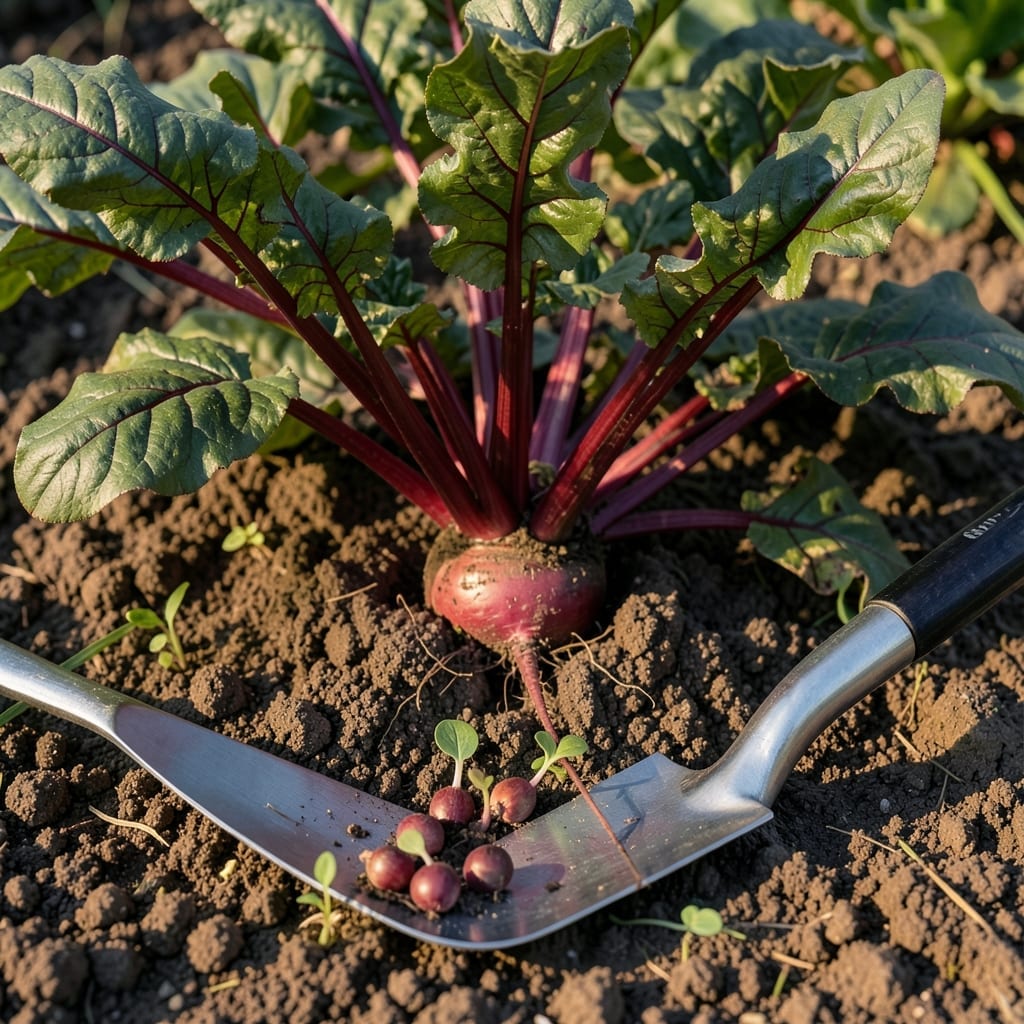
Timing is everything when growing Beets 🥬 in North Carolina’s variable climate. Plant too early or too late, and you risk stunted growth or bitter-tasting roots.
Discover the perfect windows for sweet, tender beets year after year. The state’s unique zones 7b-8a create distinct opportunities for both spring and fall planting.
I’ll show you exactly when to get those seeds in the ground for the best results. Whether you’re in the Piedmont or Coastal Plain, the timing makes all the difference.
Let’s explore how to work with North Carolina’s frost dates and soil temperatures. You’ll be harvesting faster and with less guesswork than ever before.
Timing your beet planting in North Carolina means understanding our diverse climate zones. The state spans USDA Zones 7b-8a, creating varied frost dates and growing windows. I’ll break down the best times for each region.
Beets thrive when soil temps hit 40°F+, so spring planting starts after the last frost. In most areas, that’s March to April, but mountain regions may need to wait until late April. 🌱
| Region | Spring Planting | Fall Planting | Last Frost | First Frost |
|---|---|---|---|---|
| Coastal Plain | Late Feb – March | Aug – Sept | March 15 | Nov 15 |
| Piedmont | March – April | Aug – Sept | April 15 | Oct 15 |
| Mountains | April – May | July – Aug | May 1 | Oct 1 |
In the Coastal Plain, our milder winters allow early March planting. I’ve had success sowing ‘Detroit Dark Red’ as early as late February when the soil is workable. Just watch for late frost snaps that can stunt young seedlings.
The Piedmont region, with its April 15 last frost, is ideal for mid-March to early April planting. This gives beets 60-70 days to mature before summer heat sets in. I always soak seeds overnight for faster germination here.
For fall beets, start 8-10 weeks before first frost. In the Piedmont, that’s August to early September. The cooler temps produce sweeter roots, and I’ve found ‘Boltardy’ performs exceptionally well in this window.
Mountain gardeners face shorter seasons and cooler soils. Wait until soil warms to 40°F in April or May for spring planting. For fall, July to August sowing works, but I recommend using row covers to extend the season.
Remember, succession planting is key in NC. I plant a new row every 2-3 weeks in spring for continuous harvests. In fall, aim to finish planting by early September in most regions to beat the frost.
Beets prefer loose, well-draining soil with a pH of 6.0-7.0. I always amend my beds with compost before planting. In our clay-heavy Piedmont soil, adding sand or peat moss improves root development significantly. 🌿
For the sweetest beets, maintain consistent moisture. I water deeply once a week, more during dry spells. Mulching with straw or leaves helps retain moisture and keeps soil temps steady for better germination.
If you’re new to growing beets in NC, start with spring planting in your region. It’s the most forgiving window. Once you’re comfortable, experiment with fall crops—they’re often sweeter and more tender.
North Carolina’s climate offers two prime beet planting windows. I’ve found spring planting from March to April works best after the last frost, while fall planting from August to September gives a second harvest before winter.
For sweeter beets, focus on soil temperature—it must stay above 40°F for germination. I always check my soil with a simple thermometer before planting.
I’ve learned that soil preparation is key for beets. Work in 2-3 inches of compost before planting to ensure loose, well-draining soil. Beets struggle in compacted or rocky ground.
To prevent bolting in heat, I plant my fall crop in partial shade when temperatures exceed 80°F. This keeps the roots tender and sweet rather than tough and bitter.
For the Piedmont region, I start seeds 2 weeks before the last frost date. In the Coastal Plain, earlier planting works due to milder winters. Always adjust based on your local microclimate. ☀️
Remember that beet greens are edible too! I harvest the outer leaves when they’re 4-6 inches tall without disturbing the root growth. This gives me two crops in one. 🌱