
Beautiful Plants For Your Interior
Beautiful Plants For Your Interior
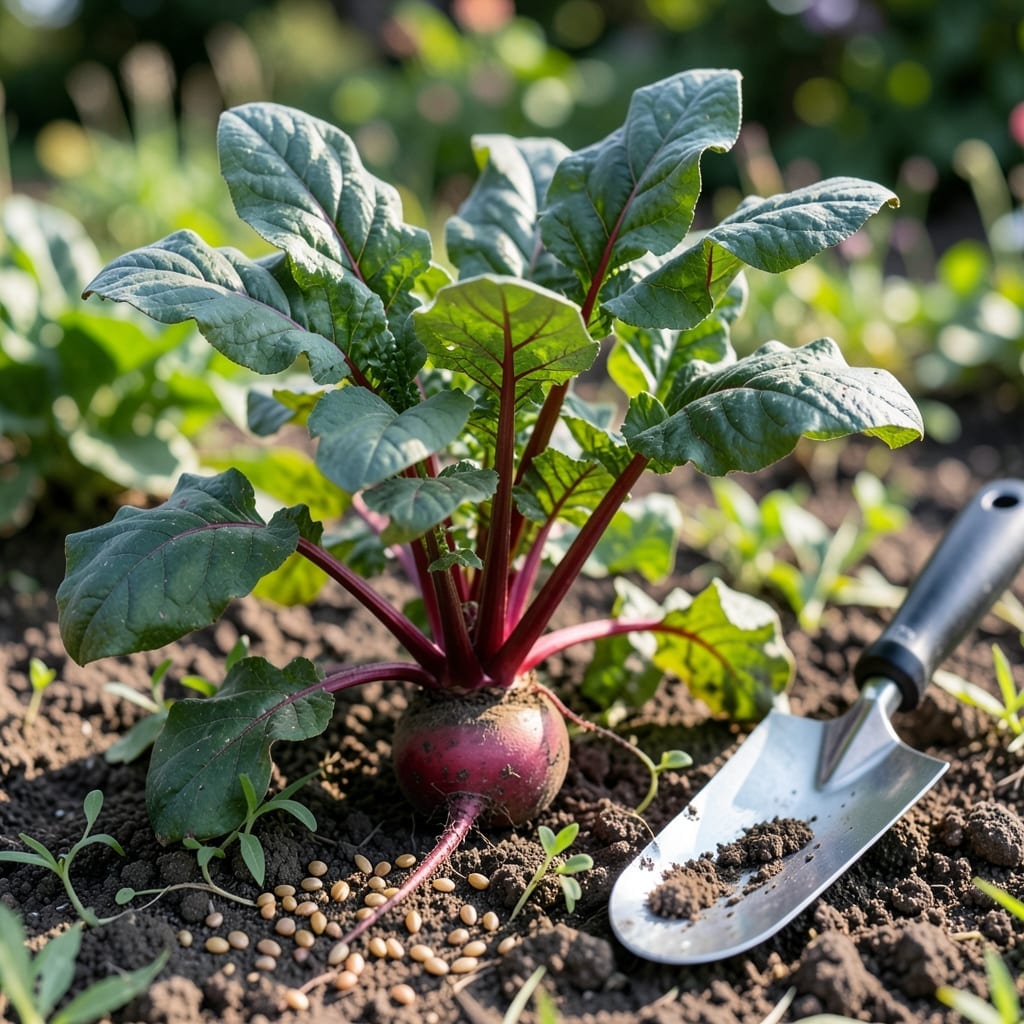
Timing is everything when planting Beets 🥬 in Connecticut—plant too early, and frost may stunt their growth; plant too late, and summer heat can turn them woody.
This guide helps you hit the sweet spot for a bumper crop. As a CT gardener in zone 6a, you’ll want to work with our unique climate, not against it.
I’ll walk you through the most important considerations for both spring and fall plantings, so you can enjoy fresh beets from May through October.
Discover how to extend your harvest with succession planting and avoid the common mistakes that leave other gardeners disappointed.
Connecticut’s USDA Zone 6a climate offers two prime windows for planting beets. The first is early spring, starting 2-4 weeks before our last frost date of April 15. This timing lets seeds germinate as soils warm.
For a fall harvest, I plant 8-10 weeks before the first frost around October 15. This ensures beets mature before cold weather hits. Both windows take advantage of Connecticut’s 180 frost-free days.
| Season | Planting Window | Key Consideration |
|---|---|---|
| Spring | March 15 – April 15 | Soil temp 40°F+ |
| Fall | August 1 – September 1 | Avoid summer heat |
I’ve found soil temperature is more critical than air temperature for beet germination. Use a soil thermometer to check – seeds won’t sprout well below 40°F. In early spring, I warm the soil with black plastic mulch if needed.
The spring planting window from March 15 to April 15 works perfectly as Connecticut soils typically reach 40°F by mid-March. For fall plantings, I aim for August 1 to September 1 to avoid both summer heat and early frosts.
Beets are cold-hardy, so they can handle light frosts. This makes them ideal for early spring and late fall planting in our climate. I’ve successfully harvested beets after light frosts in both seasons.
For the best results, I recommend succession planting every 2-3 weeks during both windows. This ensures a continuous harvest rather than one large crop. It also helps mitigate risks from unpredictable Connecticut weather.
Remember that microclimates in your garden can affect these dates. South-facing slopes warm up faster in spring, while low-lying areas may stay cooler longer. Adjust your planting dates based on your specific garden conditions.
I always prepare my soil before planting by adding compost and ensuring good drainage. Beets prefer loose, well-draining soil with a pH of 6.0-7.0. This preparation is crucial for good root development.
Finally, keep the soil consistently moist during germination. I water gently but regularly until seeds sprout, then reduce to 1 inch per week. This consistent moisture is key for uniform germination and growth. ☀️
In Connecticut’s zone 6a, I’ve found that succession planting is the secret to enjoying beets all season long. By staggering your plantings, you can avoid gluts and ensure a steady supply.
Start with an early spring planting about 2-4 weeks before our last frost date (April 15), then follow up with new seeds every 3-4 weeks until late summer.
For fall beets, I recommend planting 8-10 weeks before our first frost (October 15). This gives them enough time to mature before cold weather sets in. Bolt-resistant varieties work best for these later plantings.
I’ve had great success with ‘Detroit Dark Red’ for spring and ‘Lutz Winter Keeper’ for fall. The key is consistent moisture—beets need about 1 inch of water per week to prevent woody roots.
With this approach, I harvest tender beets from May through October. It’s amazing how a little planning can extend your season so dramatically. Happy planting! 🌱