
Beautiful Plants For Your Interior
Beautiful Plants For Your Interior
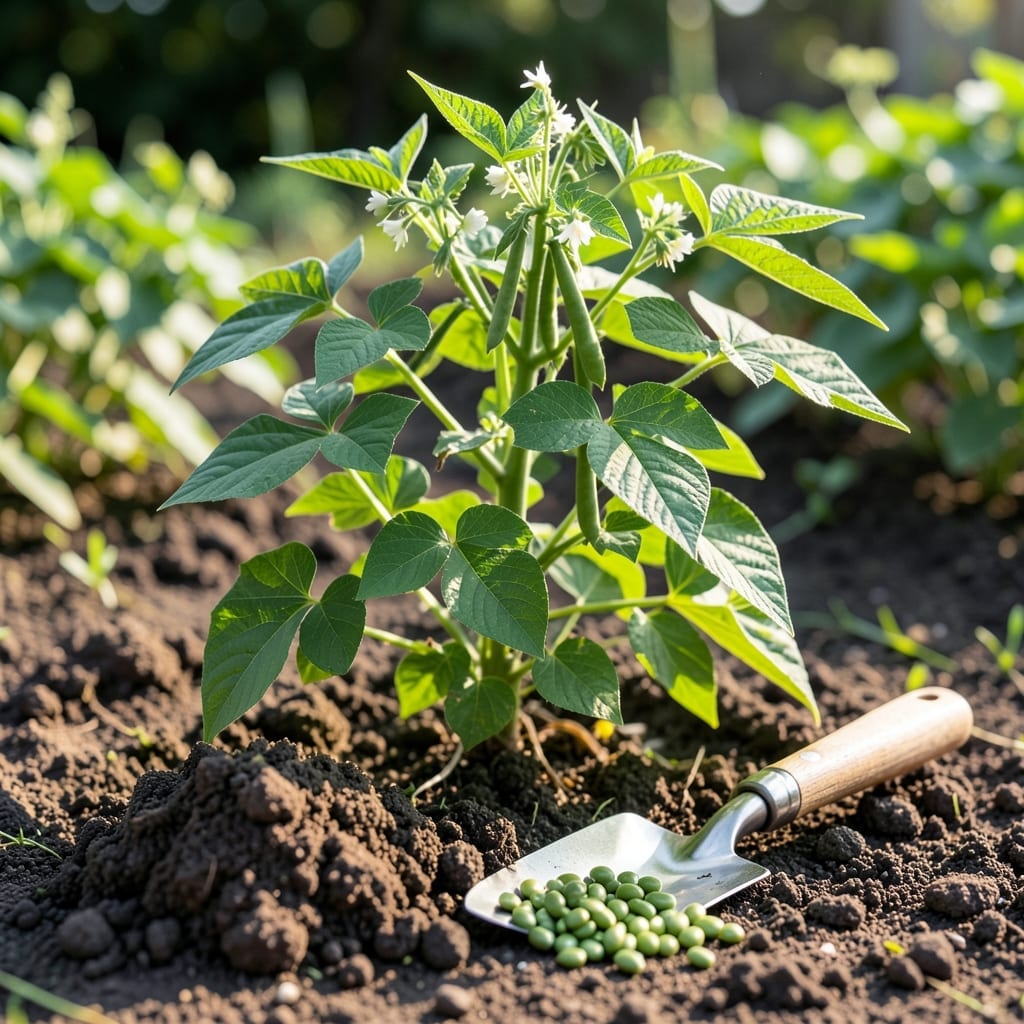
Timing is everything when planting Beans in Pennsylvania—plant too early and frost can wipe out your crop, too late and you’ll miss the peak growing season.
In Zone 6a, the sweet spot for getting Beans in the ground is between April and June, when soil temps hit that 60°F minimum.
I’ve seen gardeners lose entire crops by jumping the gun in March, only to have a late frost ruin their efforts. Patience and precision pay off here.
Let me walk you through exactly when to plant for the best harvest in PA, including how to work with your local microclimate for maximum success.
Pennsylvania spans USDA zones 4-7, meaning your bean planting dates vary. In Zone 4, wait until late May to avoid frost, while Zone 7 gardeners can start in mid-April. Soil warmth is key—beans need 60-70°F to germinate properly.
The last frost date in PA ranges from April 15 in the south to May 15 in the north. I always check local weather reports for sudden cold snaps. Bush beans and pole beans have slightly different needs, but both hate cold soil.
| Zone | Planting Window | Soil Temp | Bean Types |
|---|---|---|---|
| 4 | Late May – Early June | 60°F+ | Bush, Pole |
| 5 | Mid-May – Early June | 60°F+ | Bush, Pole, Lima |
| 6 | Late April – Early June | 60-70°F | All Varieties |
| 7 | Mid-April – Early May | 65-70°F | Pole, Lima, Snap |
In Zone 6 (most of central PA), I plant my bush beans around May 1 and pole beans a week later. This staggered approach ensures continuous harvest. Lima beans need warmer soil, so I wait until late May for those.
Soil prep is just as important as timing. I test my soil pH (beans prefer 6.0-7.0) and add compost for nutrients. A soil thermometer is my best friend—if it reads below 60°F, I hold off on planting.
For early starts, I use black plastic mulch to warm the soil. This trick can give you a 1-2 week head start in cooler zones. Just remove it once seedlings emerge to prevent overheating.
If you’re in Zone 7 (southeastern PA), you can plant snap beans as early as April 15, but watch for late frosts. I once lost a whole row to a surprise April 20 freeze—lesson learned!
Succession planting extends your harvest. I sow new bush bean seeds every 2 weeks until mid-July. This way, I’m picking fresh beans all summer long. Pole beans take longer but produce continuously.
Remember, microclimates matter. Urban areas and south-facing slopes warm up faster. I adjust my planting dates based on my garden’s specific conditions. When in doubt, wait for consistent warmth.
Finally, always check the 10-day forecast before planting. Beans can handle a light frost, but temperatures below 32°F will kill young plants. I keep row covers handy just in case. 🌱
To enjoy fresh beans all season, I use succession planting—sowing new bush bean seeds every 2 weeks until mid-July. This keeps my harvest steady through summer. Pole beans take longer but produce continuously.
For an early start, I use black plastic mulch to warm the soil. This can give you a 1-2 week head start in cooler zones. Just remove it once seedlings emerge to prevent overheating.
In southeastern PA (Zone 7), I plant snap beans as early as April 15 but always watch for late frosts. Row covers are my safety net against surprise cold snaps.
I also select fast-maturing varieties like ‘Contender’ for late summer plantings. These can go in the ground as late as July 1 and still produce before fall frost. Pole beans are great for vertical spaces.
For pole beans, I plant once and let them climb. They’ll produce beans for 6-8 weeks if kept well-watered. I use a trellis system to save space and improve air circulation.
Remember, consistent moisture is key for bean production. I water deeply once a week and mulch to retain moisture. This is especially important during flowering and pod formation. 🌱