
Beautiful Plants For Your Interior
Beautiful Plants For Your Interior
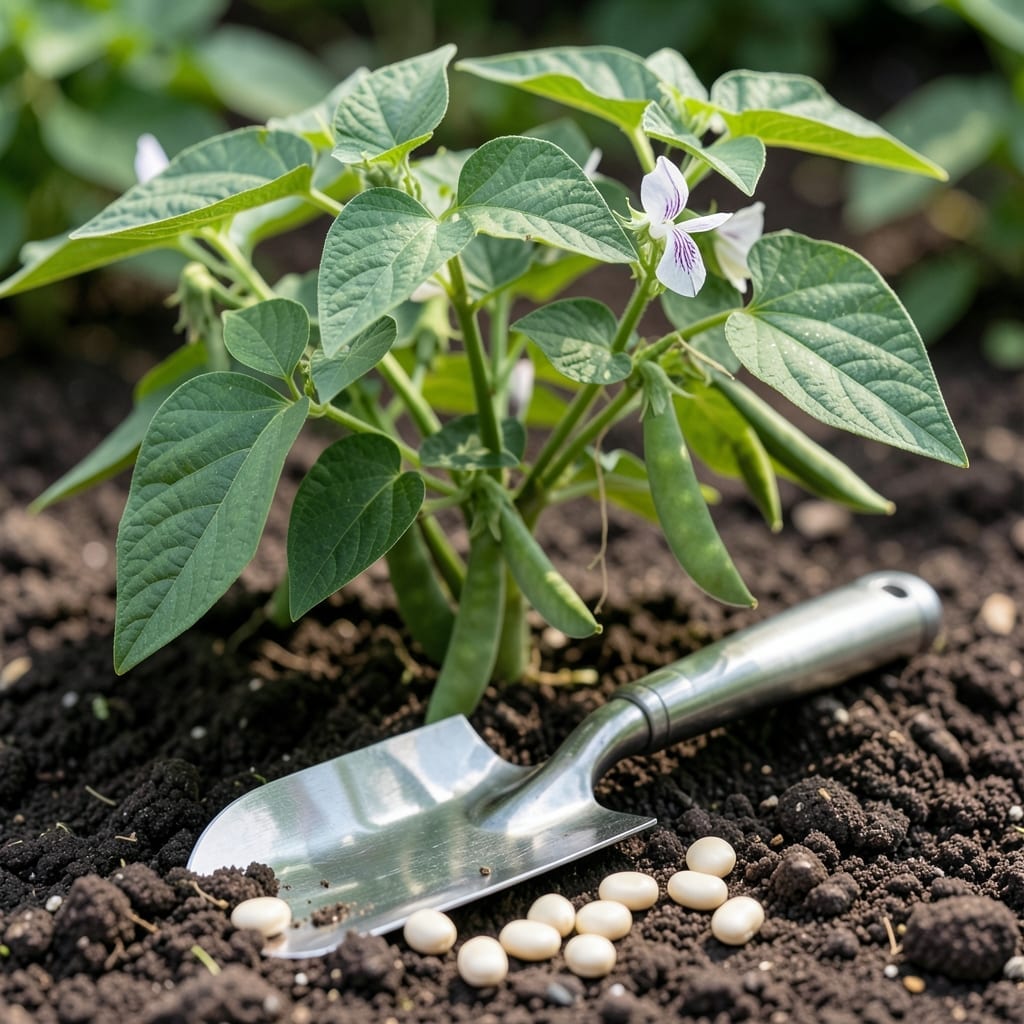
Timing is everything when planting Beans 🌱 in New Jersey. Plant too early, and frost will wipe out your seedlings. Plant too late, and you’ll miss the prime growing window.
As a gardener in zones 6b-7a, I’ve learned that getting this right means the difference between a bountiful harvest and disappointment.
With our last frost typically around April 15, you’ve got a small but critical window to get it perfect. The soil temperature needs to reach at least 60°F for best results.
Let me walk you through exactly when to plant and how to make the most of New Jersey’s growing season for your Beans.
New Jersey spans USDA zones 6a-7b, meaning your last frost date typically falls between April 10-20. Beans are warm-season crops, so soil temperature is your best planting cue. I never sow until the soil hits 60°F at minimum.
For most NJ gardeners, mid-April to early June is prime time for bush beans, while pole beans can go in a week or two later. Coastal areas often warm faster than inland spots, so adjust accordingly.
| Zone | Last Frost | First Planting | Soil Temp |
|---|---|---|---|
| 6a | April 10-15 | Late April | 60-65°F |
| 6b | April 15-20 | Early May | 60-70°F |
| 7a | April 10-15 | Mid-April | 65-70°F |
I always recommend using a soil thermometer to check conditions. If you’re eager, you can start beans indoors 2-3 weeks before transplanting, but they dislike root disturbance. Direct sowing works best in NJ’s climate.
For a fall crop, plant bush beans again in late July to early August. This gives them 60-70 days to mature before the first frost. Pole beans need more time, so they’re riskier for a second planting.
Northern NJ tends to have cooler soils, so I wait until early May there. Southern NJ gardeners can often start in mid-April. The Jersey Shore warms up fast, making it ideal for early planting.
Remember, bean seeds rot in cold, wet soil. If a cold snap is forecasted after planting, cover seeds with row fabric or mulch. I’ve lost entire plantings to a surprise late frost before!
For organic gardeners, pre-warming the soil with black plastic for 1-2 weeks can speed up planting time. Just remove it before sowing to avoid baking the seeds.
If you’re planting in raised beds, they warm up faster than in-ground soil. I’ve had success planting 1-2 weeks earlier in my raised beds compared to traditional rows.
Lastly, successive planting every 2-3 weeks ensures a continuous harvest. I stop planting new beans by early August to avoid frost damage to young plants.
🌱Not all beans have the same planting window in New Jersey. I’ve found that snap beans and bush beans thrive when planted mid-April to early June, while lima beans prefer warmer soil and do best late May to early July.
Pole beans need extra time to climb, so I plant them 1-2 weeks later than bush varieties. Kidney beans and pinto beans are heat-lovers, so I wait until late May when soil temps hit 70°F.
| Variety | Planting Window | Days to Maturity | Soil Temp |
|---|---|---|---|
| Bush Beans | Mid-April to Early June | 50-60 days | 60-65°F |
| Pole Beans | Late April to Mid-June | 60-70 days | 60-70°F |
| Lima Beans | Late May to Early July | 70-80 days | 70°F+ |
For fast-maturing varieties, try ‘Blue Lake’ or ‘Contender’ bush beans. These are perfect for NJ’s shorter seasons and can handle cooler soils better than others. I’ve had great success with these in early spring plantings.
If you’re planting in summer, opt for heat-tolerant varieties like ‘Rattlesnake’ pole beans or ‘Fordhook 242’ lima beans. These thrive in NJ’s hot summers and keep producing even in high temps.
For a fall harvest, stick to bush beans planted in late July. Varieties like ‘Provider’ mature in just 50 days, giving you a quick crop before frost. Avoid pole beans for fall—they take too long.
🌱