
Beautiful Plants For Your Interior
Beautiful Plants For Your Interior
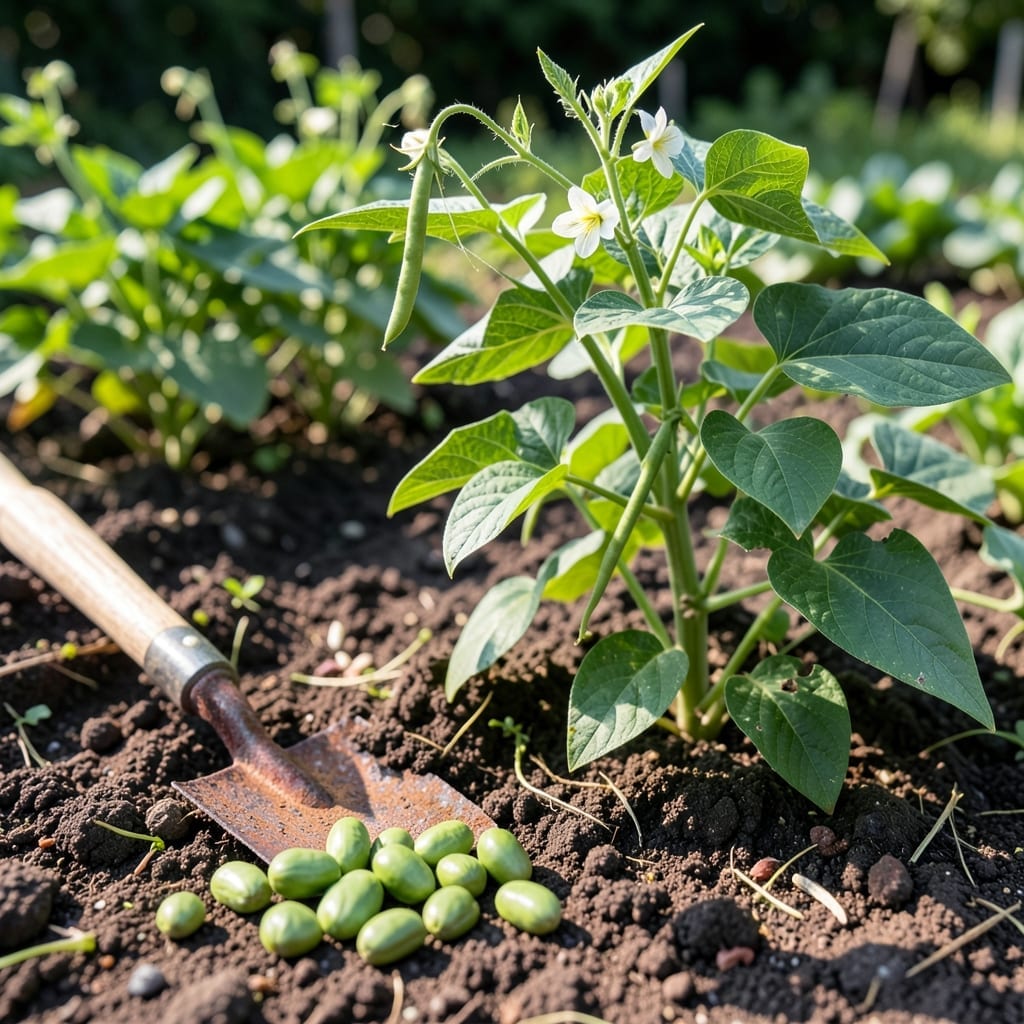
Timing is everything when it comes to planting Beans in Kentucky. Plant too early and frost will ruin your crop, too late and you’ll miss the optimal growing window.
Kentucky’s unique climate in zones 6b-7a demands a precise approach. The difference between a bountiful harvest and a disappointing season often comes down to just a few weeks.
I’ve learned through experience that understanding your local conditions is the key to success. Soil temperature, frost dates, and variety selection all play crucial roles in getting it right.
Discover exactly when to plant Beans in KY to maximize your yield. Let me walk you through the essential timeline and factors that will set you up for a thriving garden.
Kentucky’s USDA zones 6a-7b offer a generous growing window for beans, but timing varies by type. Bush beans thrive with an earlier start, while pole beans prefer slightly warmer soil for their vining habit.
I always check the last frost date—typically April 15 in most of KY—before planting. But soil temperature is the real game-changer: beans need 60°F+ to germinate properly. A soil thermometer is my go-to tool for accuracy.
| Variety | Zone 6a-6b | Zone 7a-7b | Soil Temp |
|---|---|---|---|
| Bush Beans | Mid-April | Early April | 60°F+ |
| Pole Beans | Late April | Mid-April | 65°F+ |
| Lima Beans | Early May | Late April | 70°F+ |
For succession planting, I sow new bush bean seeds every 2-3 weeks until mid-July. This staggered approach ensures a continuous harvest through summer. Pole beans, being vining, need trellises but reward with longer production periods.
Kentucky’s clay-heavy soils warm up slower in spring. I use black plastic mulch to speed up warming by 5-10°F. This trick lets me plant 1-2 weeks earlier than bare soil.
Frost sensitivity is critical. Even a light frost can kill young bean plants. I always have frost blankets ready for unexpected late spring cold snaps. The first frost in fall (around October 15) signals the end of the season.
Microclimates matter in KY. My garden’s south-facing slope gets 2-3°F warmer than the flat areas, allowing earlier planting. If you’re in a low-lying area, wait an extra week to avoid cold pockets.
For organic gardeners, inoculating seeds with rhizobium bacteria boosts nitrogen fixation. I do this for all my bean plantings, especially in new garden beds where the beneficial bacteria may be lacking.
Watering is another timing factor. Beans need 1-2 inches weekly, but I reduce watering as pods mature to prevent splitting. Morning watering prevents fungal diseases in KY’s humid summers.
Finally, variety selection impacts timing. Early maturity bush beans like ‘Blue Lake’ can be planted later, while heirlooms often need the full season. I always check seed packets for days to maturity when planning.
With these Kentucky-specific adjustments, you’ll maximize both yield and flavor from your bean crop. 🌱
Preparing your Kentucky soil properly is the foundation for healthy bean plants. Our state’s clay-heavy soils can be challenging, but with the right approach, you’ll create an ideal growing environment for your beans.
Start with a soil test to check your pH levels. Beans thrive in soil with a pH of 6.0-7.0, so you may need to add lime to raise the pH or sulfur to lower it, depending on your results.
⚠️ Avoid Over-Fertilizing
Beans are nitrogen-fixing plants, so too much nitrogen fertilizer can lead to leafy growth with few pods. Stick to organic amendments like compost.
Kentucky’s clay soil benefits from organic matter to improve drainage and root penetration. I recommend mixing in 2-3 inches of compost or well-rotted manure into the top 6 inches of soil before planting.
Don’t forget to loosen the soil to at least 12 inches deep. This helps bean roots establish quickly. If your soil is particularly compacted, consider raised beds for better control over soil conditions.
After amending, let the soil settle for a few days before planting. This gives you time to remove any weeds that might compete with your young bean plants for nutrients and water.
Finally, ensure your planting area gets full sun for at least 6-8 hours daily. Beans are sun-lovers, and proper sunlight is crucial for strong growth and good pod production. ☀️