
Beautiful Plants For Your Interior
Beautiful Plants For Your Interior
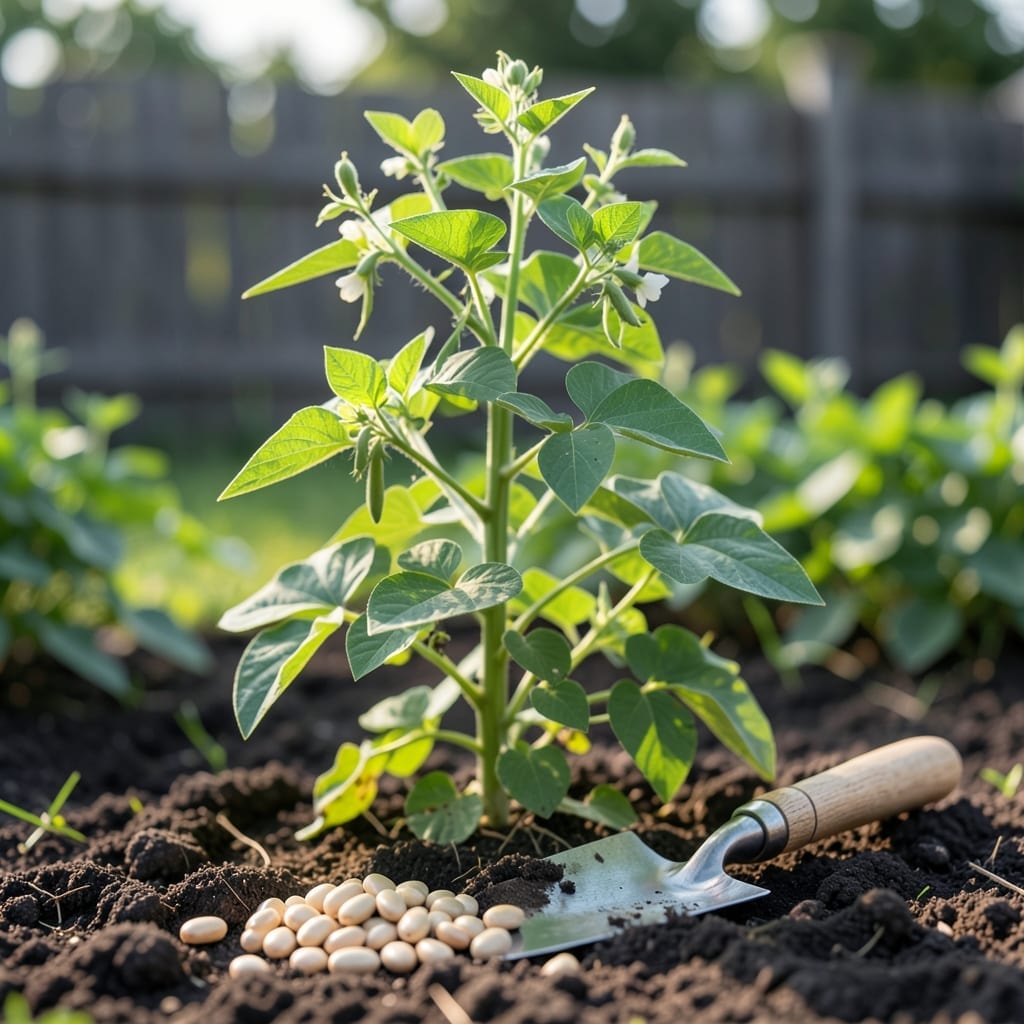
Timing is everything when planting Beans in Indiana—plant too early and frost may kill your seedlings, too late and you’ll miss the optimal harvest window.
Indiana’s 5b-6a zones have distinct growing seasons that demand precision. The difference between a thriving crop and a disappointing yield often comes down to a few weeks.
I’ve seen gardeners struggle with timing year after year, but the solution is simpler than you think. The key lies in understanding your local climate patterns and soil conditions.
Discover the exact spring and fall windows that work best for Beans in Indiana, and learn how to prepare your garden for faster, stronger growth.
Indiana spans USDA zones 5b to 6b, meaning your bean planting window shifts slightly depending on where you garden. In northern Indiana (Zone 5b), the last frost typically hits around April 15, while southern regions (Zone 6b) see it closer to April 1. 🌱
For all zones, soil temperature is the critical factor—beans need at least 60°F to germinate properly. Planting in cold, wet soil leads to poor germination and weak seedlings, so I always wait until the soil warms consistently.
| Zone | Spring Planting | Fall Planting | Notes |
|---|---|---|---|
| 5b (North) | Mid-May | Late July | Last frost: April 15 |
| 6a (Central) | Early May | Early August | Last frost: April 10 |
| 6b (South) | Late April | Mid-August | Last frost: April 1 |
For spring planting, I aim for 2-3 weeks after the last frost when soil temps hit that 60°F threshold. Bush beans mature faster, so they’re great for short-season areas like Zone 5b. Pole beans need a longer window but produce all season. 🌿
In fall, timing is about the first frost date. Count backward from your expected first frost—beans need 50-60 days to mature. For Zone 5b, that means planting by late July. For Zone 6b, you can push it to mid-August.
Pro tip: Use a soil thermometer to check temps at 2-inch depth in the morning. If it’s below 60°F, hold off. I’ve learned the hard way that patience pays off with beans!
For early starts, I’ve had success with black plastic mulch to warm the soil faster. Just remove it once seedlings emerge to avoid overheating. Row covers can also help if a late frost threatens.
Remember that Indiana’s weather can be unpredictable. A late spring cold snap or early fall frost can throw off your plans. Always have frost cloth on hand for protection if needed. ☀️
If you’re in Zone 5b and worried about a short season, consider fast-maturing varieties like ‘Blue Lake Bush’ or ‘Provider’. These can go from seed to harvest in 50 days under ideal conditions.
For pole beans, I recommend ‘Kentucky Wonder’ or ‘Fortex’—they thrive in Indiana’s summer heat. Just ensure your trellis is sturdy; summer storms can be rough on vines.
No matter your zone, succession planting every 2-3 weeks ensures a continuous harvest. I plant my last batch in early July for a late summer/early fall crop before frost arrives.
Preparing your Indiana garden for beans starts with soil temperature. I always check that my soil is at least 60°F before planting, as cold soil can rot seeds or stunt growth.
Begin by testing soil pH—beans thrive in slightly acidic to neutral soil (6.0-7.0). A simple home test kit gives fast results. If needed, amend with compost or lime to adjust levels. 🌱
For bush beans, I recommend raised beds which warm faster in Indiana’s unpredictable springs. Pole beans need sturdy trellises installed at planting time to avoid disturbing roots later.
Don’t skip seed inoculation—this adds beneficial bacteria that help beans fix nitrogen. It’s a simple step that boosts plant health and yield significantly.
After planting, keep soil consistently moist but not soggy. I use mulch to retain moisture and suppress weeds, which is crucial during Indiana’s variable spring weather. ☀️
Remember, evening temperatures should stay above 50°F for best results. If a late frost threatens, cover young plants with row covers or old blankets overnight.