
Beautiful Plants For Your Interior
Beautiful Plants For Your Interior
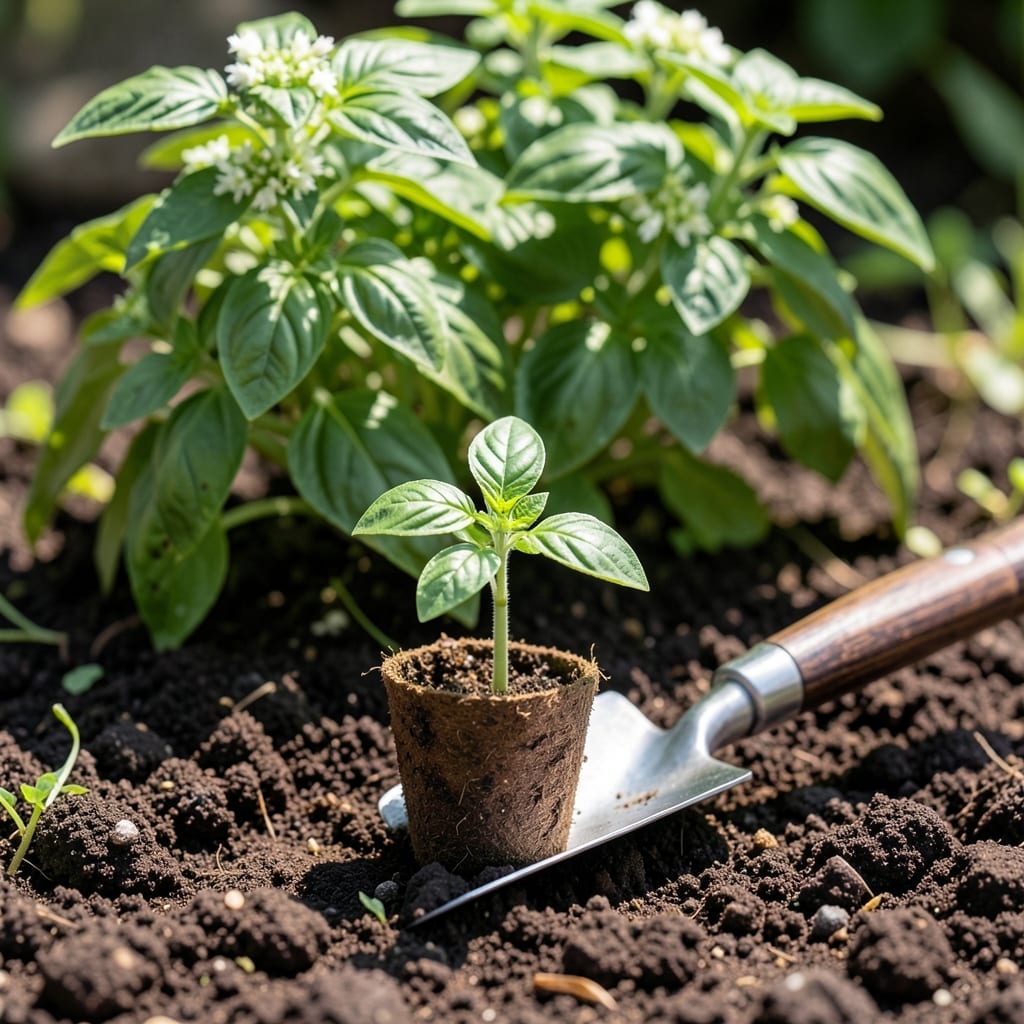
Timing is everything when growing 🌿 Basil in Virginia’s Zone 7 climate. Plant too early and frost can wipe out your seedlings; too late and you’ll miss the peak growing season.
I’ve learned the hard way that getting this right makes all the difference. Whether you’re starting seeds indoors or transplanting outdoors, nailing the schedule is the key to a bountiful harvest.
In Virginia, the sweet spot for planting Basil is between April and June. But there’s more to it than just the calendar—soil temperature and frost dates play a big role too.
Let me walk you through the exact windows and tips to ensure your Basil thrives all season long. You’ll be amazed at how much easier it is with the right timing.
In Virginia’s Zone 7, timing your basil planting right means the difference between a thriving herb garden and a sad, wilted mess. I’ve learned the hard way that this warm-season herb can’t handle frost, so patience is key. 🌿
Start basil seeds indoors about 6-8 weeks before the last frost date. For most of Virginia, that’s mid-February to early March. This gives your seedlings a strong start before they face the outdoors.
| Stage | Action | Timing |
|---|---|---|
| Indoor Sowing | Start seeds in trays | Mid-February to early March |
| Hardening Off | Acclimate seedlings outdoors | 2 weeks before transplant |
| Transplant Outdoors | Move to garden beds | Mid-April to early May |
| Succession Planting | Sow new seeds for continuous harvest | Every 3-4 weeks until July |
Once soil temperatures reach a consistent 60-70°F, it’s safe to transplant your basil seedlings outside. In Virginia, this usually aligns with the last frost date around April 15, but I always double-check local forecasts. ☀️
For direct sowing, wait until the soil is warm enough. I’ve had success planting seeds directly in late May when the ground is reliably warm. Just remember that basil hates cold, so don’t rush it.
If you want a continuous harvest, try succession planting. Sow a new batch of seeds every 3-4 weeks until July. This way, you’ll have fresh basil leaves all summer long without gaps.
Virginia’s humid summers can be tough on basil, so I recommend morning watering to prevent fungal issues. Keep the soil moist but not soggy, and mulch around the plants to retain moisture. 💧
Don’t forget to pinch back flowers as they appear. This encourages bushier growth and delays seeding, which can make the leaves bitter. I do this regularly to keep my plants productive.
For container gardening, basil thrives in pots with well-draining soil. I love growing it on my patio where I can easily move the pots if unexpected cold snaps threaten. This also helps manage pest issues like aphids.
Finally, if you’re in a cooler microclimate or higher elevation in Virginia, adjust your planting dates by 1-2 weeks later. Local conditions always trump general guidelines, so keep an eye on your garden’s specific needs. 🌱
Virginia’s summer heat can stress basil plants, but I’ve found ways to keep them thriving. The key is managing temperature and moisture while preventing premature flowering. 🌿
First, provide afternoon shade during peak heat. I use shade cloth or plant basil near taller crops like tomatoes for natural protection. This prevents leaf scorch and keeps plants productive.
Top Heat Management Tips:
For container gardening, basil does exceptionally well. I grow mine in 12-inch pots with drainage holes, moving them to shadier spots when temperatures soar above 90°F. This flexibility is a game-changer. ☀️
Consistent watering is critical. I water my basil every 2-3 days in summer, checking that the top inch of soil is dry before watering again. Overwatering causes root rot, so balance is key.
To extend your harvest, pinch back flowers as soon as they appear. This redirects energy to leaf production and prevents the plant from going to seed too soon. I do this weekly during peak season.
Virginia’s humidity attracts pests like aphids and whiteflies. I combat this with neem oil spray or by planting marigolds nearby as a natural deterrent. Regular inspections help catch problems early.
Finally, consider succession planting even in summer. If your first plants are struggling in July’s heat, start a new batch in partial shade for a late-season harvest. 💧