
Beautiful Plants For Your Interior
Beautiful Plants For Your Interior
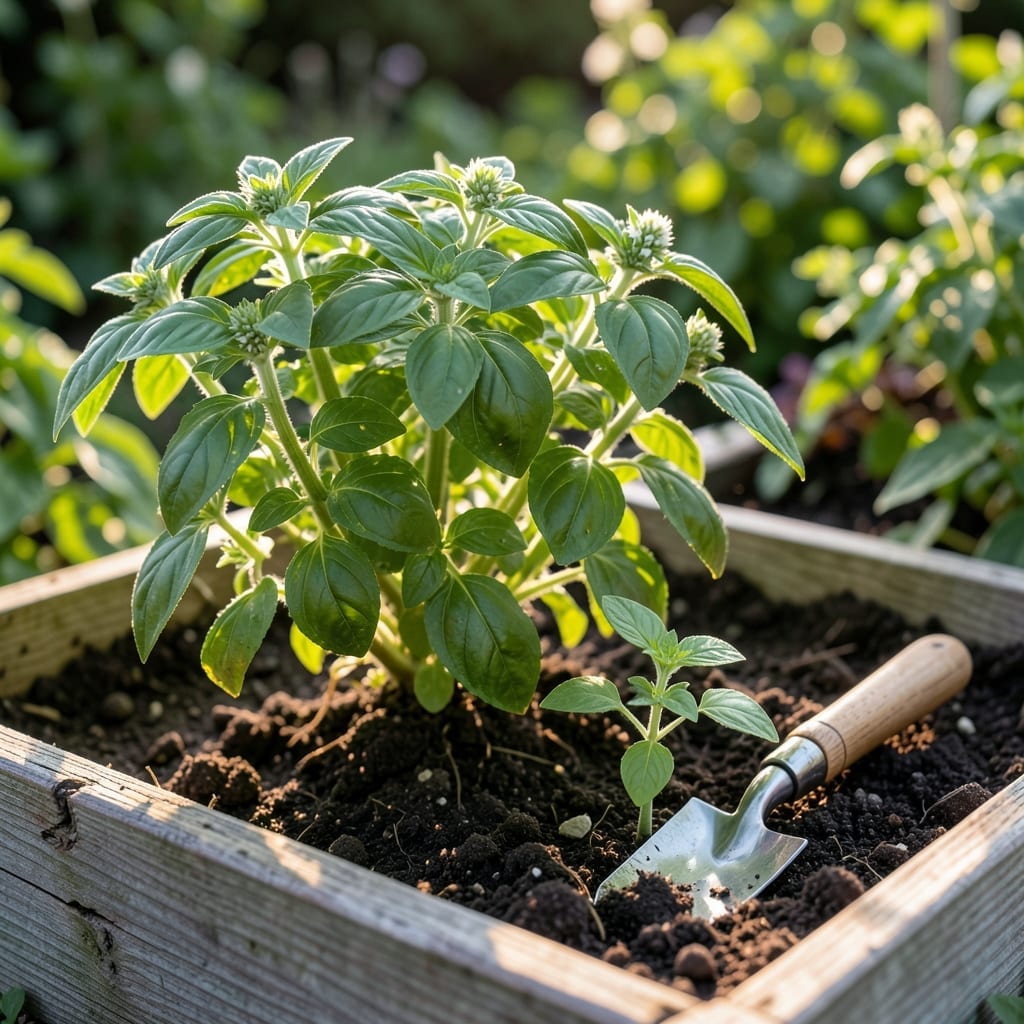
Timing is everything when it comes to planting 🌿 Basil in Maryland’s Zone 7a-7b climate. One early frost can wipe out your entire crop if you’re not careful.
I’ve learned the hard way that jumping the gun on planting can lead to stunted growth or worse. The sweet spot comes after the last frost, when the soil warms to at least 60°F.
Whether you’re starting seeds indoors or transplanting outdoors, getting this right means the difference between a thriving garden and a disappointing one. Let me show you how to nail this timing every time.
With the right approach, you’ll be enjoying fresh 🌿 Basil from June through September. Let’s make this your most successful growing season yet.
In Maryland’s Zone 7, timing your basil planting right is crucial. Our last frost date typically falls between April 15-May 1, but soil temperature matters more than calendar dates.
Basil seeds need soil temps above 60°F to germinate properly. Planting too early in cold soil can stunt growth or cause seeds to rot before sprouting.
| Stage | Action | Timing |
|---|---|---|
| Indoor Seeding | Start seeds indoors | 6-8 weeks before last frost |
| Soil Prep | Warm soil to 60°F+ | Mid-April to early May |
| Outdoor Planting | Transplant seedlings | After last frost |
| Succession Planting | Sow new seeds | Every 2-3 weeks until July |
| Fall Planting | Final outdoor sowing | Early August for late harvest |
I always start my basil indoors around late February to early March. This gives the seedlings plenty of time to grow strong before moving them outside after the last frost danger has passed.
For direct sowing outdoors, wait until the soil temperature consistently stays above 60°F. In most Maryland gardens, this occurs around mid-May, but urban areas may warm up slightly earlier.
Succession planting is my secret to a continuous harvest. By sowing new seeds every 2-3 weeks, I ensure fresh basil from late spring through fall. The last practical outdoor planting is usually in early August.
Remember that Maryland’s varied terrain creates microclimates. Coastal areas may be 1-2 weeks earlier than mountainous regions. When in doubt, use a soil thermometer to check conditions.
For container gardening, you can start a bit earlier as pots warm up faster. Just be prepared to move plants indoors if a late frost threatens. I’ve had great success with window boxes on my south-facing patio.
If you miss the spring planting window, don’t worry. Basil grows quickly from seed, and you can still plant in early summer for a late-season harvest. Just provide extra water during hot spells.
Always harden off seedlings before transplanting. I gradually expose my young plants to outdoor conditions over 7-10 days to prevent shock. This simple step makes a huge difference in transplant success rates. 🌱
In Maryland’s Zone 7, I’ve found that staggered planting is the secret to enjoying fresh basil all season long. By sowing new seeds every 2-3 weeks, you can maintain a steady supply from late spring through fall.
Start your first batch indoors 6-8 weeks before the last frost, then transplant outdoors after the soil warms to 60°F. This timing ensures your plants establish strong roots before the heat of summer.
For urban gardeners, container planting offers flexibility. I recommend using 12-inch pots with well-draining soil. This method works particularly well for late-season plantings when garden space may be limited.
Remember that basil thrives in heat, so your later plantings will often grow faster than early ones. Just be sure to keep soil moist during germination, as basil seeds need consistent moisture to sprout.
To extend your harvest into fall, plant a final batch in early August. With proper care, you can enjoy fresh leaves until the first frost. I’ve had success with this timing even in cooler microclimates around Baltimore.
This staggered approach ensures you’ll always have young, tender leaves ready for harvest while older plants continue to produce. The key is consistent timing and proper spacing between plantings.
☀️