
Beautiful Plants For Your Interior
Beautiful Plants For Your Interior
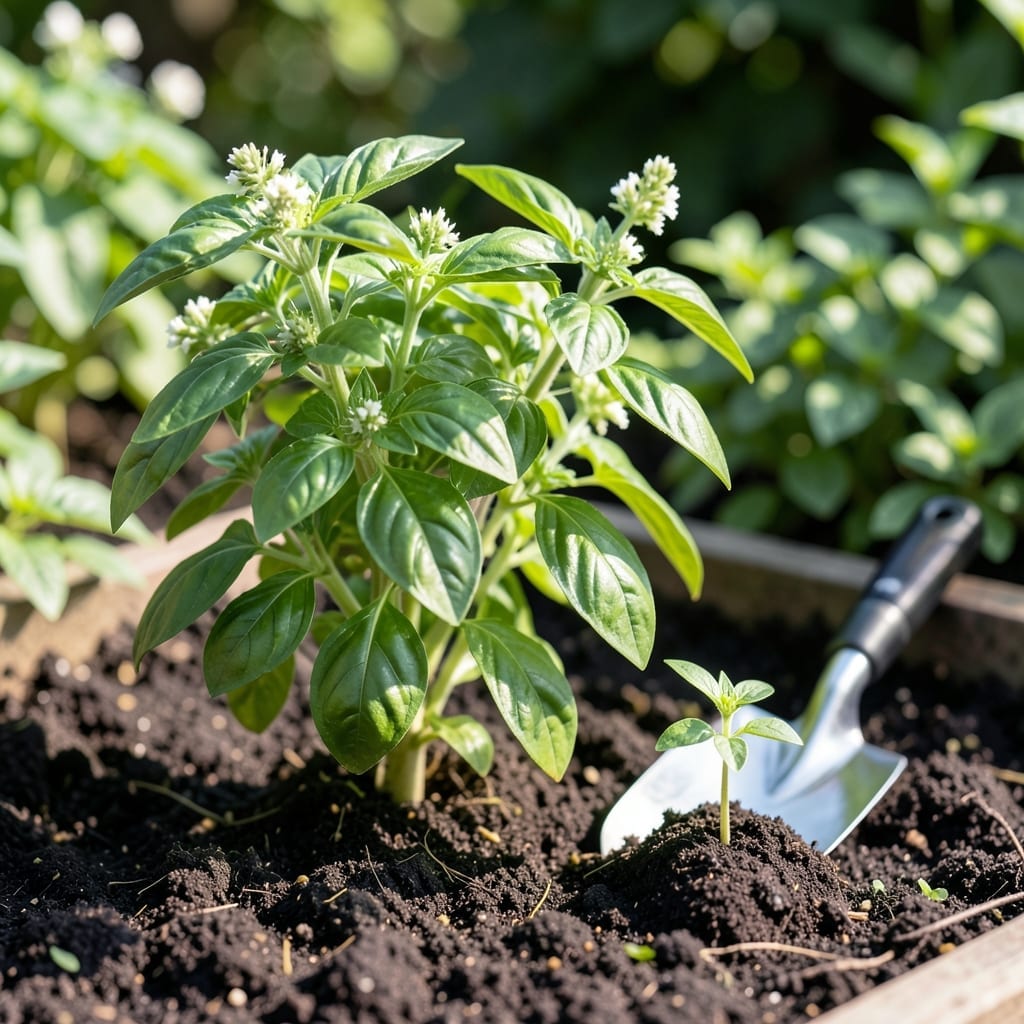
Timing is everything when growing 🌿 Basil in Arizona’s unique climate. Plant too early or too late, and your herbs may wilt under the scorching sun or struggle in unexpected cold snaps.
Our state’s diverse zones mean what works in Phoenix might not fly in Flagstaff. I’ve seen gardeners lose entire crops by missing the best window by just a few weeks.
Whether you’re in the low desert or high country, getting this right means the difference between sparse leaves and a bountiful harvest. Let me show you how to nail it.
We’ll cover the ideal months, frost considerations, and microclimate tricks that Arizona gardeners swear by. Your thriving basil starts here.
I’ve found that Arizona’s diverse climate zones demand different approaches for planting basil. The key is understanding your region’s frost dates and soil temperature thresholds before you start.
In the Low Desert (like Phoenix or Tucson), February to early March is ideal. Here, the last frost typically hits around February 15, so soil warms quickly. Wait until soil reaches 50°F for best germination.
| Region | Best Planting Months | Last Frost Date | Soil Temp Threshold |
|---|---|---|---|
| Low Desert | February-March | Feb 15 | 50°F |
| Intermediate | March-April | March 15 | 55°F |
| High Desert | April-May | May 1 | 60°F |
The Intermediate Zone (Prescott, Payson) has a later frost date around March 15. I recommend planting March through April when soil consistently hits 55°F to avoid cold shocks.
For the High Desert (Flagstaff, Show Low), April to May works best. These areas see frost as late as May 1, so wait for 60°F soil to ensure strong starts. You can even plant in summer here due to milder temperatures.
Fall planting is another great option across all zones. In the Low Desert, sow seeds in late August to September for a cool-season harvest. The Intermediate Zone can start in early September, while the High Desert extends to late September.
I always remind gardeners that microclimates matter. Urban areas, south-facing walls, or shaded spots can shift your timeline by 2-3 weeks. Use a soil thermometer to confirm temperatures before planting.
Remember, basil hates frost. If a surprise cold snap hits, cover young plants with frost cloth or move containers indoors. Even in Arizona, unpredictable weather can catch you off guard.
For the best results, start seeds indoors 6-8 weeks before your last frost date. This gives your basil seedlings a head start and stronger roots for transplanting.
Finally, watch the weather closely. Arizona’s spring heatwaves can arrive suddenly. If temperatures spike above 90°F, provide afternoon shade to prevent stress on young plants. ☀️
When Arizona’s temperatures soar above 100°F, even heat-loving basil can suffer. I’ve learned that shade cloth is a game-changer, especially during peak afternoon hours.
Consistent morning watering helps plants absorb moisture before the heat kicks in. Mulching with organic material keeps roots cool and retains soil moisture longer.
Many gardeners make the mistake of watering at night, which can promote fungal growth. Always water at the base and in the early morning for best results.
Container gardening offers more control over heat exposure. Move pots to shadier spots when forecasts predict extreme heat. I’ve saved many plants this way.
Watch for signs of heat stress like wilting or yellowing leaves. If you notice these, increase shade and check soil moisture immediately.
With these strategies, your basil can thrive even in Arizona’s toughest summer months. Proper timing and care make all the difference ☀️