
Beautiful Plants For Your Interior
Beautiful Plants For Your Interior
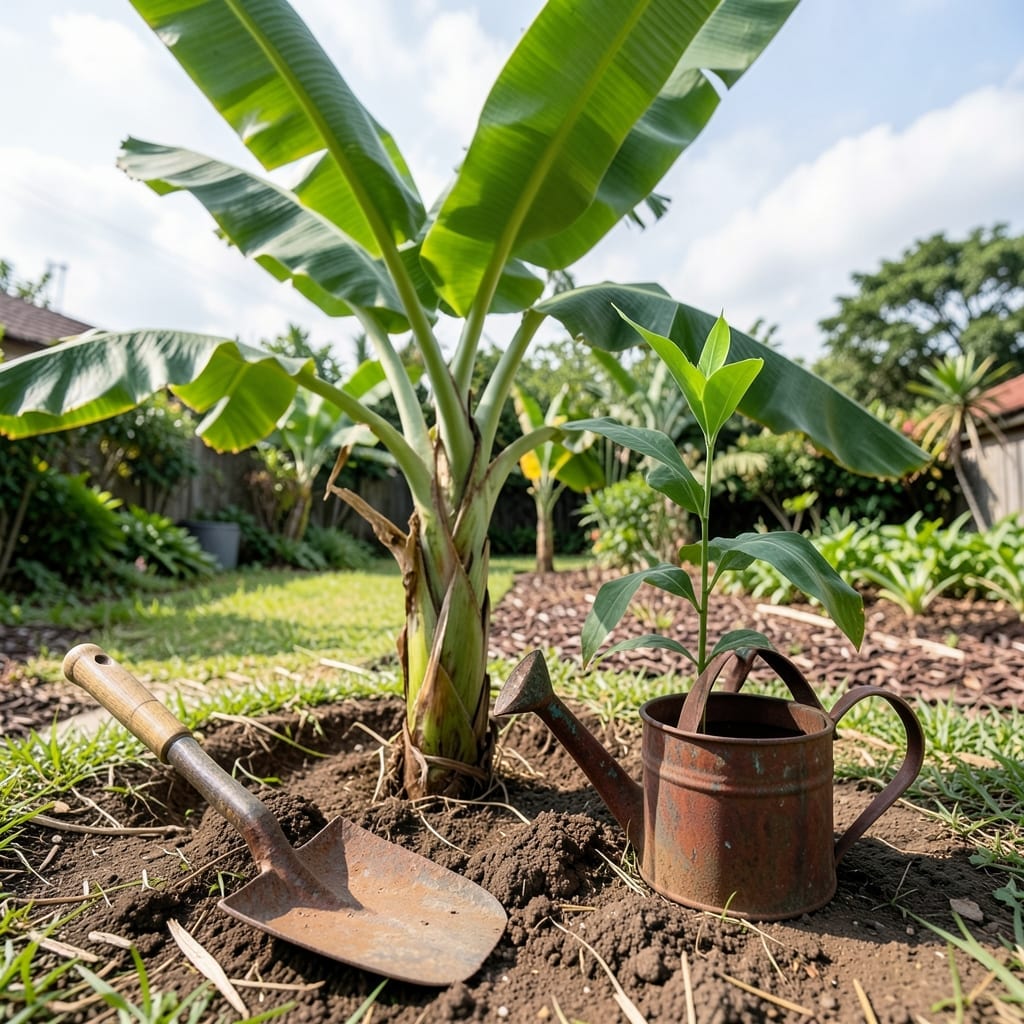
Timing is everything when planting Banana Trees in Florida’s unique climate. Plant too early or too late, and you risk stunted growth or frost damage to your 🍌 trees.
In zones 8a-11b, the planting window stretches from March to September, but the sweet spot varies by region. The key is waiting until after the last frost date when soil temps stay above 60°F.
I’ve seen gardeners lose entire crops by jumping the gun in February. Even in Florida, a late cold snap can wipe out young trees before they establish.
Discover exactly when to plant in your part of the state and the simple prep steps that ensure your Banana Trees thrive from day one.
Florida’s diverse climate means banana tree planting times vary by region. In North Florida, wait until mid-March to avoid late frosts that can damage tender tropical plants. The soil must be warm, ideally above 60°F, for roots to establish properly.
Central Florida gardeners can start planting in early March, as frost risks diminish sooner. This region’s mild winters and warm springs create ideal conditions for banana tree growth when timed right.
| Region | Best Planting Months | Soil Temp Requirement | Frost Risk |
|---|---|---|---|
| North Florida | March – May | 60°F+ | Moderate |
| Central Florida | March – September | 60°F+ | Low |
| South Florida | Year-round | 70°F+ | None |
South Florida is the most forgiving, allowing year-round planting thanks to its frost-free climate. However, spring through early fall remains optimal for the fastest establishment. I always recommend morning planting to reduce transplant shock in the heat.
For all regions, soil preparation is key. I amend my planting holes with compost and sand to improve drainage. Banana trees hate soggy roots, so well-draining soil prevents rot and encourages vigorous growth.
Soil temperature is more critical than air temperature. Use a soil thermometer to confirm conditions. In North Florida, I’ve seen April plantings outperform March ones because the soil warms more consistently.
Watch the weather forecast closely. A late cold snap in North or Central Florida can set back new plantings. I cover young trees with frost cloth if temperatures dip below 50°F in the first few weeks.
In South Florida, the rainy season from May to October provides natural irrigation. This reduces your watering workload but means you should plant on higher ground to avoid waterlogging.
Container-grown bananas offer flexibility. I’ve successfully planted them any time of year in South Florida, but always harden off nursery plants for 3-5 days before transplanting to outdoor beds.
Remember that microclimates matter. A south-facing wall or urban heat island can create pockets where banana trees thrive even in cooler months. Observe your specific location’s patterns.
For the best results, plant in the morning and water thoroughly after planting. This gives your banana tree the best start in Florida’s heat 🌿
Florida’s climate supports several banana tree varieties, each with unique needs. The most popular include Dwarf Cavendish, Ice Cream, and Lady Finger, all thriving in the state’s warmth.
While the general planting window spans March to September, some varieties prefer slightly earlier or later starts. I’ve found Dwarf Cavendish does best planted in early spring, while Ice Cream tolerates summer heat.
| Variety | Ideal Months | Mature Height |
|---|---|---|
| Dwarf Cavendish | March-May | 8-12 ft |
| Ice Cream | April-June | 12-15 ft |
| Lady Finger | May-July | 15-20 ft |
The Dwarf Cavendish is perfect for smaller spaces, reaching only 8-12 ft. It handles cooler temps better than others, making it ideal for North Florida gardeners.
Ice Cream bananas prefer the warmer months and need consistent moisture. Their sweet, custard-like fruit makes them a favorite, but they require more protection from wind.
Lady Finger varieties are the tallest, often exceeding 15 ft. They do best in South Florida where the growing season is longest and frost is rare.
For all types, I recommend morning planting to reduce stress. Always water deeply after planting and mulch heavily to retain moisture in Florida’s sandy soil. 🌱