
Beautiful Plants For Your Interior
Beautiful Plants For Your Interior
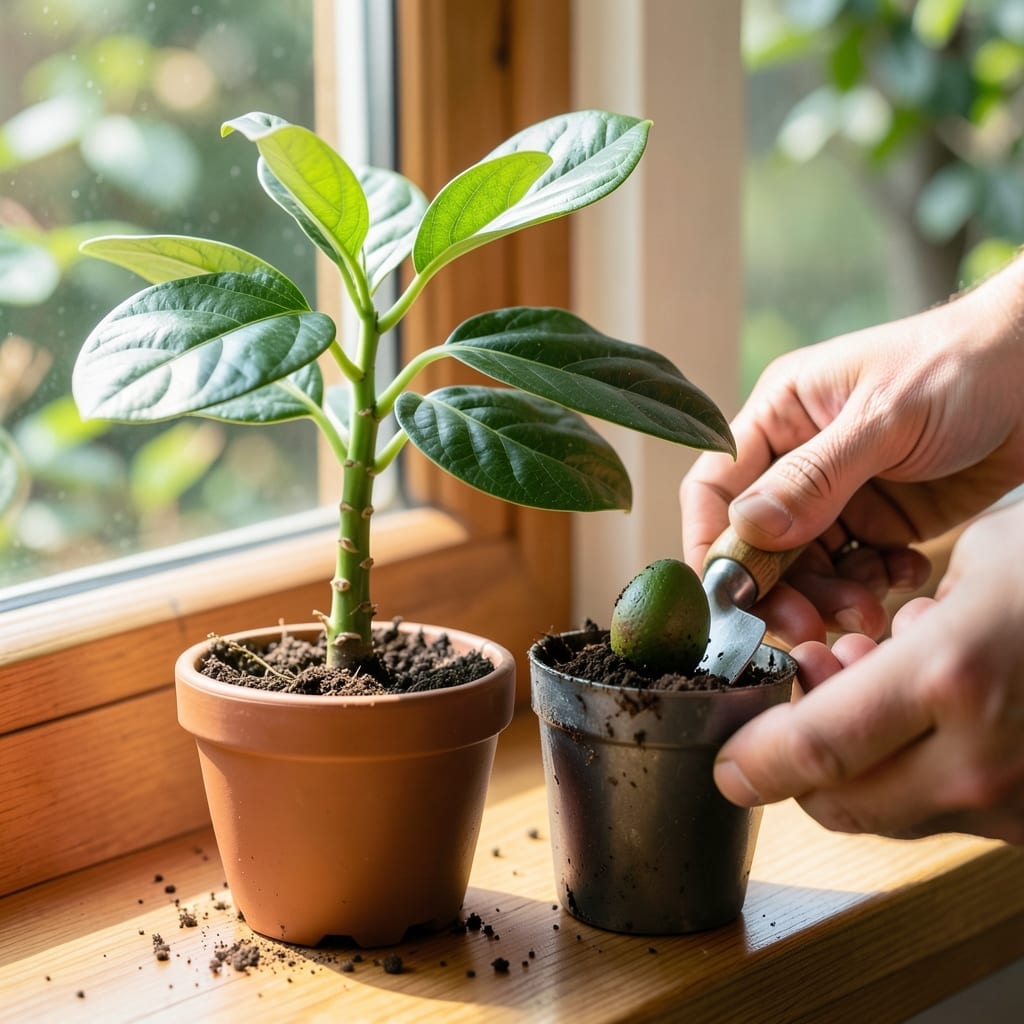
Growing an avocado tree from seed is a rewarding project, but timing is everything. Plant your 🥑 avocado seed into soil too early or too late, and you risk stunting its growth.
I’ve learned the hard way that patience and perfect conditions make all the difference. The right moment depends on your climate and the seed’s development stage.
For most gardeners in zones 9-11, spring is the sweet spot. This season offers the warmth and stability young avocado roots need to thrive.
Let me guide you through the most important signs your seed is ready and the ideal conditions for planting. You’ll be amazed at how quickly it grows with the right start.
Knowing when to plant avocado seed into soil starts with watching for visual cues from your seedling. The most obvious sign is root development—your seed should have 3-4 inches of roots before transplanting.
I’ve found that a split seed with a small stem sprouting from the top is another clear indicator. This means the embryo is active and ready for the next growth phase.
| Sign | Description |
|---|---|
| Root Length | 3-4 inches of healthy white roots |
| Seed Splitting | Crack appears along the seed’s seam |
| Stem Growth | 2-3 inches tall with small leaves forming |
| Early Leaves | First true leaves begin to unfurl |
Another sign I look for is early leaf formation. Once your seedling has 2-3 sets of leaves, it’s developing the photosynthesis capacity needed to thrive in soil.
Don’t rush the process. If you plant too early, the delicate roots can break during transplant. I always wait until the root system looks strong and dense before moving to soil.
The toothpick method can help you monitor progress. When the seed splits open and the root emerges, you’ll know it’s time to prepare for transplanting.
Remember that temperature matters. I only transplant when nighttime temps stay above 50°F (10°C). Avocados are tropical plants and hate the cold.
If you’re growing indoors, consistent warmth is key. Place your seedling near a sunny window where it gets 6-8 hours of light daily before and after transplanting.
Finally, check the seed’s color. A healthy seed ready for soil will have a brown, dry exterior with a firm interior. If it’s still slimy or soft, it needs more time.
Transplanting at the right time gives your avocado the best start for developing into a strong, healthy tree. Be patient and let nature take its course. 🌱
Timing your avocado seed transplant is critical for healthy growth. I recommend waiting until spring or early summer when temperatures stay above 60°F (15°C) consistently. This ensures your seedling avoids cold shock. 🌱
For outdoor planting, USDA zones 9-11 are ideal. In cooler climates, start indoors near a south-facing window for maximum light. Always check that frost danger has passed before moving seeds outside.
Temperature: Above 60°F (15°C)
Light: 6-8 hours daily of direct sunlight
Soil: Well-draining mix to prevent rot
Humidity matters too. Avocado seeds thrive in moderate to high humidity, so consider a humidity tray for indoor starts. Avoid dry air from heating systems, which can stress young seedlings. 🌿
If you’re in a region with harsh winters, indoor growing is your best bet year-round. Use grow lights to supplement natural light during shorter days. Remember, avocados hate soggy roots, so ensure pots have drainage holes.
For those in warmer zones, late February to July works well. But I’ve found March to June gives the strongest start. Watch for seed splitting—a sign it’s ready for soil.
Finally, monitor your seedling’s progress. If leaves appear pale or wilted, adjust light or water. Patience pays off—your avocado could grow 2-3 feet in its first year with the right care. ✂️