
Beautiful Plants For Your Interior
Beautiful Plants For Your Interior
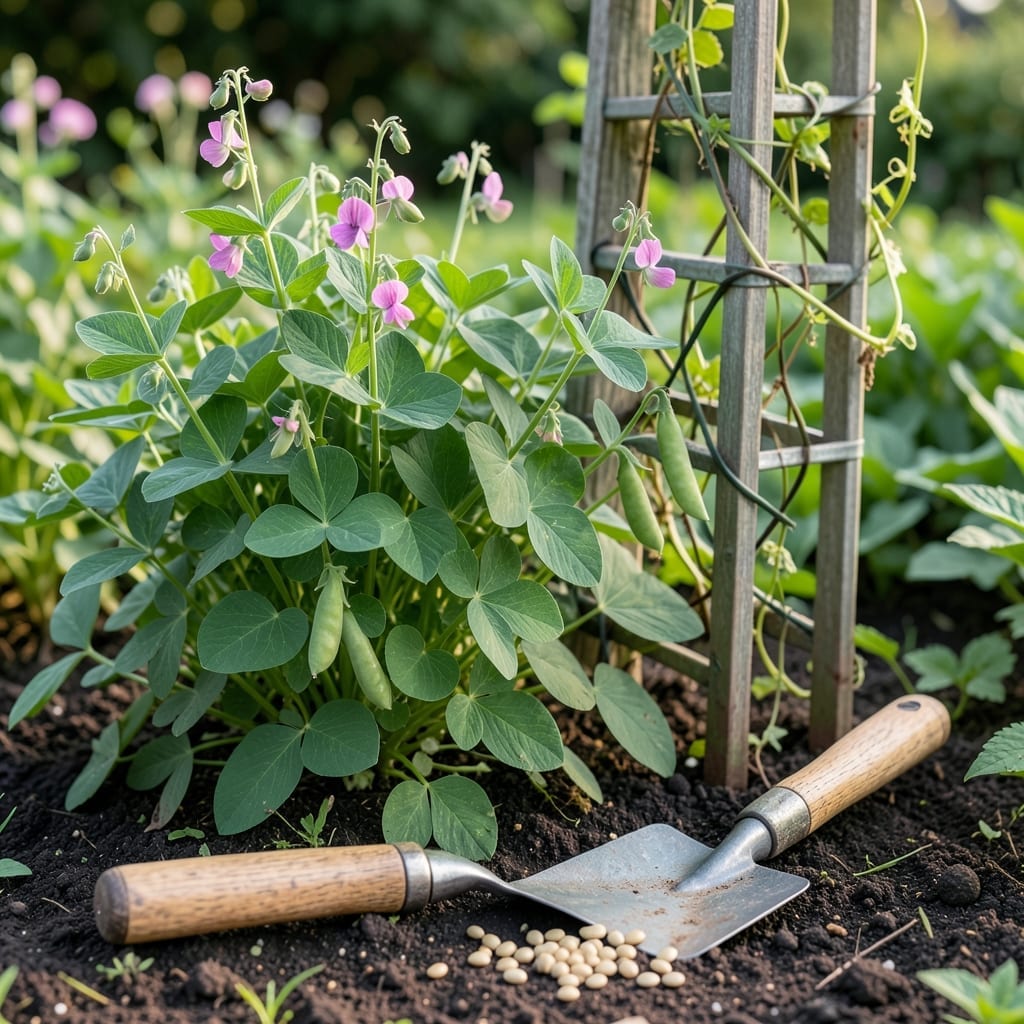
Ever watched your garden struggle through winter while wishing for a faster way to boost soil health? Austrian Winter Peas 🌱 might be your answer, but timing is everything.
Plant them too late, and frost may take them out before they establish. Too early, and they won’t thrive in summer heat. The sweet spot exists, and I’ll show you exactly when to hit it.
Discover the ideal window for planting these cold-hardy legumes so you can enjoy their benefits come spring. Let’s get started.
Timing your Austrian winter peas planting is crucial for success. These cold-hardy legumes thrive when sown in cool weather, but the exact window depends on your USDA zone and local climate.
In most regions, late summer to early fall is ideal. This gives plants enough time to establish before winter. I’ve seen the best results when seeds go in 6-8 weeks before the first frost date.
| Planting Window | Notes | |
|---|---|---|
| Zones 3-5 | August – September | Early fall for root establishment |
| Zones 6-7 | September – October | 6-8 weeks before first frost |
| Zones 8-10 | October – November | Cooler winter months are ideal |
For northern climates (Zones 3-5), I recommend planting in August through September. This allows the peas to develop strong roots before the ground freezes. The plants will go dormant in winter but bounce back in spring.
Gardeners in Zones 6-7 have more flexibility. September through October works well, but I’ve found that early September plantings often produce the most vigorous growth before winter.
In warmer regions (Zones 8-10), you can plant as late as November. The peas will grow through winter and produce an abundant crop in spring. Just ensure soil temperatures stay below 75°F for best germination.
Frost tolerance is one of this plant’s superpowers. Austrian winter peas can survive temperatures down to 10-20°F once established. This makes them perfect for overwintering in most climates.
If you’re in a mild winter area, you might even get a light harvest before spring. I’ve seen this happen in Zone 8 gardens where winters stay relatively warm.
Remember that soil temperature matters more than air temperature. Seeds germinate best in 50-75°F soil. Use a soil thermometer if you’re unsure.
For the best results, I always test my soil before planting. Austrian winter peas prefer a pH of 6.0-7.5 and well-draining soil. A simple soil test kit can save you a lot of trouble.
🌱
Planting Austrian winter peas correctly ensures a strong start for these nitrogen-fixing powerhouses. I always begin with soil preparation, as these peas thrive in well-draining, loamy soil with a pH of 6.0-7.5.
First, I clear the area of weeds and debris, then loosen the soil to a 6-inch depth. This helps roots penetrate easily and improves germination rates. A light rake afterward creates a smooth seedbed.
When sowing, I plant seeds 1-2 inches deep and space them 2 inches apart in rows. This spacing allows enough room for growth while ensuring a dense stand for effective cover crop benefits.
After planting, I water lightly to settle the soil. The goal is consistent moisture, not saturation. I’ve found that morning watering helps prevent fungal issues while keeping seeds happy.
A light mulch layer of straw or leaves helps retain moisture and protects seeds from temperature swings. I apply about 2-3 inches after planting, which also suppresses weeds.
Within 7-14 days, you should see sprouts emerging. Once established, these peas need minimal care. I just monitor for pests and ensure they’re not overrun by weeds.
🌱