
Beautiful Plants For Your Interior
Beautiful Plants For Your Interior
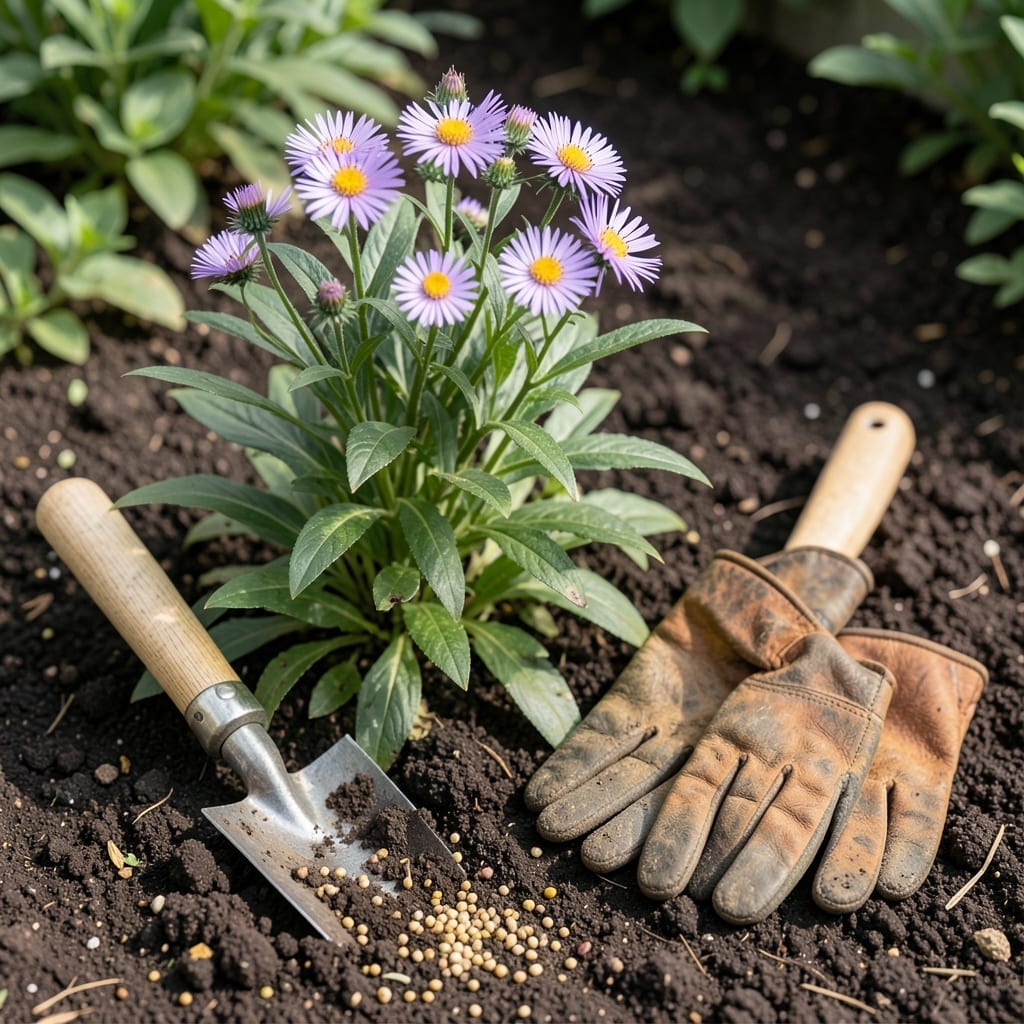
Timing is everything when it comes to planting 🌼Aster—these late-season stunners can transform your garden with bursts of purple, pink, and white just when other flowers fade.
Plant them correctly, and you’ll enjoy vibrant blooms from late summer through fall. The right timing ensures they establish strong roots before their big show.
Whether you’re in zone 4-8, I’ll show you exactly when to get them in the ground for maximum impact. Let’s dig into the details.
If you want vibrant aster blooms lighting up your garden from late summer to fall, timing your planting is crucial. These hardy perennials thrive when given the right start.
In most regions, spring planting after the last frost or early fall planting works best. This gives them time to establish strong root systems before their peak blooming season.
| Planting Window | Ideal Months | Key Conditions |
|---|---|---|
| Spring | March-May | After last frost, soil 50°F+ |
| Fall | September-November | 6 weeks before first frost |
| Zones 4-5 | April or Sept | Avoid extreme heat |
| Zones 6-8 | March or Oct | Well-draining soil |
For spring planting, wait until the soil is workable and temperatures reach at least 50°F. This usually aligns with your last frost date in zones 4-8.
In warmer climates, early fall planting can be even better. The cooler temperatures reduce stress on new plants while still allowing root establishment before winter.
If you’re in zone 4 or 5, aim for April planting or early September. This avoids both late frosts and early freezes that could harm young plants.
Zone 6-8 gardeners have more flexibility. You can plant as early as March or as late as October, but avoid the hottest summer months when heat stress is high.
Remember that aster varieties differ in their needs. Dwarf types often establish faster, while taller varieties may need extra time to develop strong stems.
For the best results, I recommend planting in the morning on a cloudy day. This reduces transplant shock and gives your asters the best start possible.
Always water thoroughly after planting and maintain consistent moisture for the first few weeks as the roots settle in.
For healthy asters that burst with color, soil preparation is just as important as timing. These flowers thrive in well-draining soil with a pH between 6.0 and 7.0.
I always start by testing my soil. If it’s too acidic, adding lime can help balance it. For heavy clay, mixing in compost or sand improves drainage and root growth.
🌱 Step-by-Step Soil Prep:
Asters need full sun to produce their best blooms, so choose a spot that gets at least 6 hours of sunlight daily. In hotter climates, afternoon shade can prevent heat stress.
Consider companion plants like goldenrod or sedum. These pair beautifully with asters and share similar growing conditions. Avoid planting near aggressive spreaders that might crowd them out.
Before planting, I dig holes twice as wide as the root ball but just as deep. This gives roots room to spread. Space plants 18-24 inches apart depending on the variety’s mature size.
After planting, add a 2-3 inch layer of mulch to retain moisture and suppress weeds. This also protects roots during temperature swings, especially important for fall plantings.
Remember that consistent moisture is key during the first growing season. Once established, asters are quite drought-tolerant but bloom best with regular watering. ☀️