
Beautiful Plants For Your Interior
Beautiful Plants For Your Interior
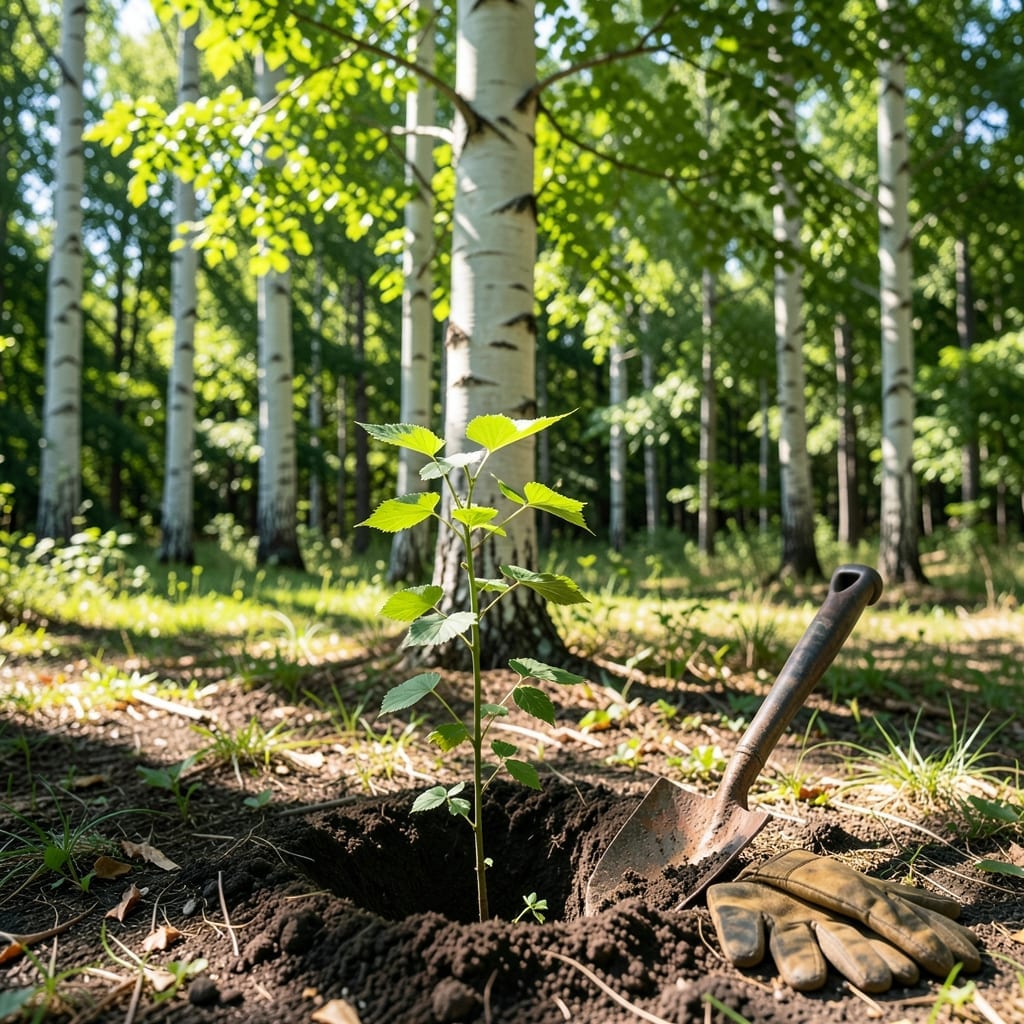
Planting aspen trees in Colorado is all about timing—get it right and you’ll be rewarded with a breathtaking, resilient landscape. The 🌳 Aspen Tree thrives when planted at the perfect moment in this unique climate.
With elevation and frost dates playing such a big role, knowing the ideal window can make all the difference. Colorado’s 5b zone demands careful planning to ensure your trees establish strong roots.
I’ve seen too many gardeners struggle by planting at the wrong time, but the solution is simpler than you think. The key lies in aligning your efforts with the state’s seasonal rhythms.
Discover how to give your Aspen Trees the best start possible, so they flourish for years to come. Let’s break down what you need to know.
Timing is everything when planting aspen trees in Colorado. The state’s unique climate and varying elevations demand careful planning for successful root establishment and growth.
I’ve found that early spring is the optimal window, typically from April to May, when the soil begins to thaw but before the heat of summer sets in. This allows roots to establish before drought conditions arrive.
| Stage | Ideal Timeframe | Key Consideration |
|---|---|---|
| Early Spring | April-May | Soil workable, before bud break |
| Fall Alternative | September | 6+ weeks before frost |
| Elevation Adjust | Higher = Earlier | Above 7,000 ft plant 2-3 weeks sooner |
For higher elevations above 7,000 feet, I recommend planting 2-3 weeks earlier than the standard spring window. The shorter growing season at altitude means every day counts for root development.
Fall planting can work in lower elevations, but only if done 6+ weeks before the first frost. In most of Colorado, this means no later than September to avoid winter damage to young roots.
The Front Range and Western Slope have different microclimates. Along the Front Range, April planting is ideal, while the Western Slope’s milder winters may allow for late March starts.
Soil temperature is another critical factor. I always check that the ground is at least 40°F at planting depth. Cold soil can shock the roots, while 50-60°F is the sweet spot for active growth.
Remember that bare-root aspens must go in the ground before buds break, while container-grown trees can be planted slightly later. The former are more sensitive to timing.
Colorado’s dry climate means you’ll need to water deeply after planting, regardless of season. But spring planting gives you the advantage of natural rainfall to help establish your trees.
Finally, consider your specific aspen variety. While most follow these general rules, some dwarf cultivars may have slightly different needs. When in doubt, early spring is always your safest bet.
Proper timing ensures your aspens will thrive for decades, creating that iconic Colorado landscape you’re dreaming of. 🌳
Planting aspen trees in Colorado demands careful preparation. I always start by testing the soil drainage since these trees hate soggy roots. The ideal soil pH is slightly acidic, around 6.0 to 7.0.
Next, I dig a hole that’s twice as wide as the root ball but no deeper. This gives the roots room to spread. In Colorado’s dry climate, I mix in some compost to help retain moisture.
After placing the tree, I backfill the hole with the compost mix and tamp it gently. It’s crucial to keep the root flare above ground level to prevent rot. I’ve seen many aspen trees struggle because of this simple mistake.
Watering is next. I give my newly planted aspens a deep soak right after planting. In Colorado, the dry air can quickly dehydrate roots, so I water thoroughly to settle the soil and eliminate air pockets.
Finally, I apply a 2-3 inch layer of mulch around the base, keeping it a few inches away from the trunk. This helps retain moisture and regulates soil temperature, which is vital in Colorado’s fluctuating climate. ✂️
For the first year, I water my aspens weekly, increasing to twice a week during hot spells. This consistent care ensures strong root establishment before winter arrives. 🌳