
Beautiful Plants For Your Interior
Beautiful Plants For Your Interior
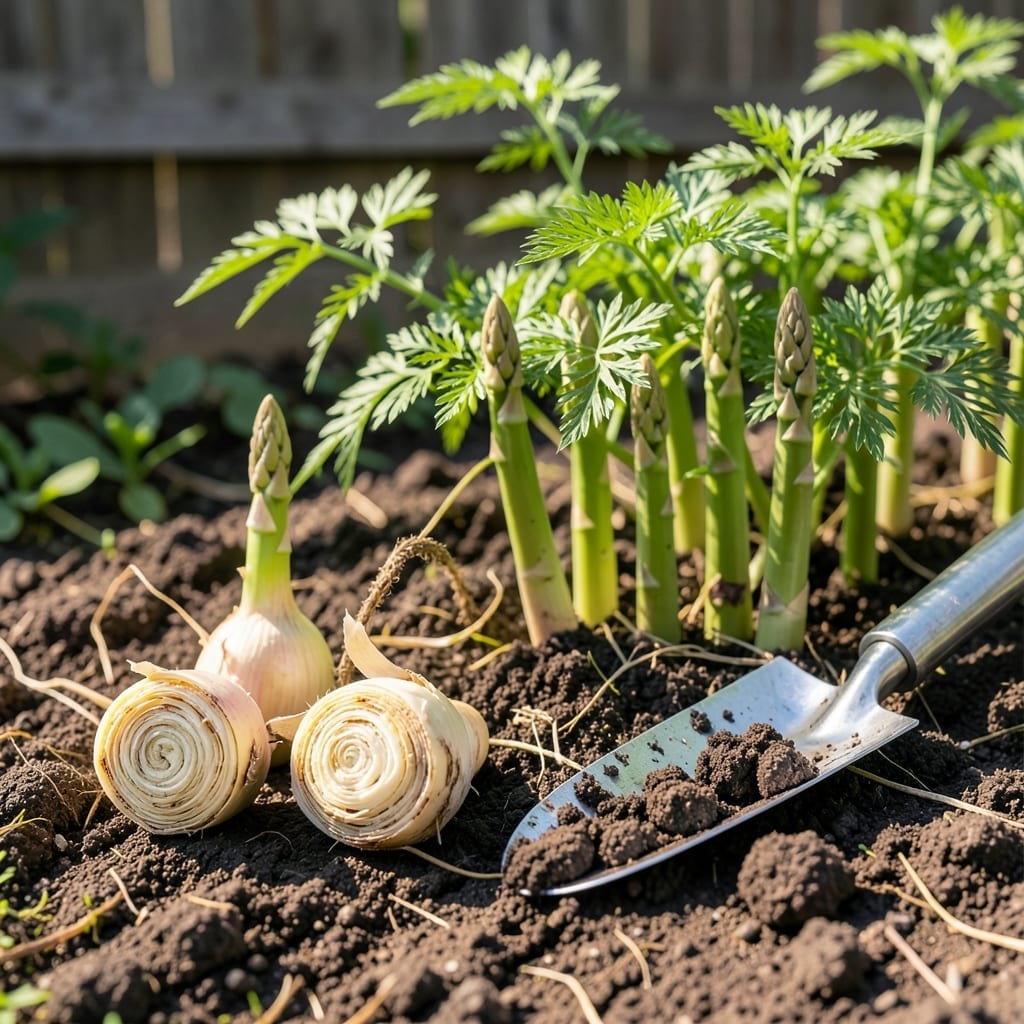
Timing is everything when planting 🥬 Asparagus in Utah’s unique Zone 5b-7a climate. Plant too early or too late, and you risk stunted growth or a poor harvest.
Utah’s spring offers a narrow window where soil conditions are just right. Missing this can set your asparagus bed back for years.
I’ve learned the hard way that patience and precision pay off with this perennial. The difference between a thriving patch and a struggling one often comes down to a few weeks.
Let me show you exactly when to plant and why it matters. Your future harvests will thank you.
In Utah’s Zone 5, timing your asparagus planting is critical for a thriving harvest. The best window is early spring, as soon as the soil temperature reaches at least 50°F. This usually falls between March and April. 🌱
Alternatively, you can plant in early fall, about 6-8 weeks before the first frost, which in Utah is typically around October 15. This gives the asparagus crowns time to establish roots before winter dormancy. 🌿
| Planting Factor | Utah-Specific Details |
|---|---|
| Best Planting Time | March – April |
| Soil Temperature | Minimum 50°F |
| Last Frost Date | May 15 |
| Crown Depth | 6-8 inches deep |
| Sunlight Needs | Full sun (6-8 hours) |
| Soil pH | 6.0 – 7.0 |
Utah’s clay-heavy soil can be challenging, so I always amend my beds with compost and sand to improve drainage. Asparagus hates waterlogged roots, so well-draining soil is a must for long-term success. ☀️
If you’re planting asparagus seeds, start them indoors 12-14 weeks before the last frost date. This head start ensures strong seedlings ready for transplanting when the soil warms up. I’ve found this method particularly effective in shorter growing seasons. 🌱
For asparagus crowns, which are more commonly planted, timing is still key. Plant them 2-3 weeks before the last frost date. This gives them time to establish without the risk of a late frost damaging new growth. 🌿
Utah’s microclimates can vary significantly. If you’re in a higher elevation area, you may need to wait a bit longer for the soil to warm. Conversely, lower elevations might allow for slightly earlier planting. Always check your local soil temperature. ✂️
Remember, asparagus is a perennial crop, so the effort you put into timing and preparation now will pay off for 15-20 years or more. Patience is key—avoid harvesting spears in the first two years to allow the plants to establish fully. 🌻
In my experience, morning planting is ideal. It reduces stress on the plants and allows them to settle in before the heat of the day. Also, water thoroughly after planting to help the soil settle around the crowns. 💧
Finally, mulch around your asparagus plants to retain moisture and suppress weeds. Utah’s dry climate means consistent watering is crucial, especially during the first growing season. Aim for 1-2 inches of water per week. 🌳
Planning your asparagus bed in Utah starts with site selection. Choose a spot with full sun and well-draining soil. Utah’s clay-heavy regions benefit from mixing in compost or sand to improve drainage. This sets the foundation for healthy growth. ☀️
Before planting, ensure the soil is loose and fertile. I recommend testing your soil pH, aiming for 6.0-7.0. Asparagus crowns thrive when planted 6-8 inches deep, spaced 12-18 inches apart in rows 3-4 feet apart. 🌱
After planting, water thoroughly to settle the soil. Asparagus needs consistent moisture, especially in Utah’s dry climate. I suggest using mulch to retain moisture and suppress weeds. This helps your plants establish strong root systems. 💧
Post-planting care includes regular watering and weed control. Avoid harvesting in the first year to allow crowns to develop. By the second year, you can start light harvesting. Patience is key for a productive asparagus bed. ✂️
For Utah’s clay soils, consider raised beds to improve drainage. This can make a big difference in preventing root rot. I’ve seen gardens thrive with this simple adjustment. 🌿
Finally, remember that asparagus is a long-term investment. With proper timing and care, your bed can produce abundant harvests for 15-20 years. Start right, and you’ll enjoy fresh asparagus for decades. 🌻