
Beautiful Plants For Your Interior
Beautiful Plants For Your Interior
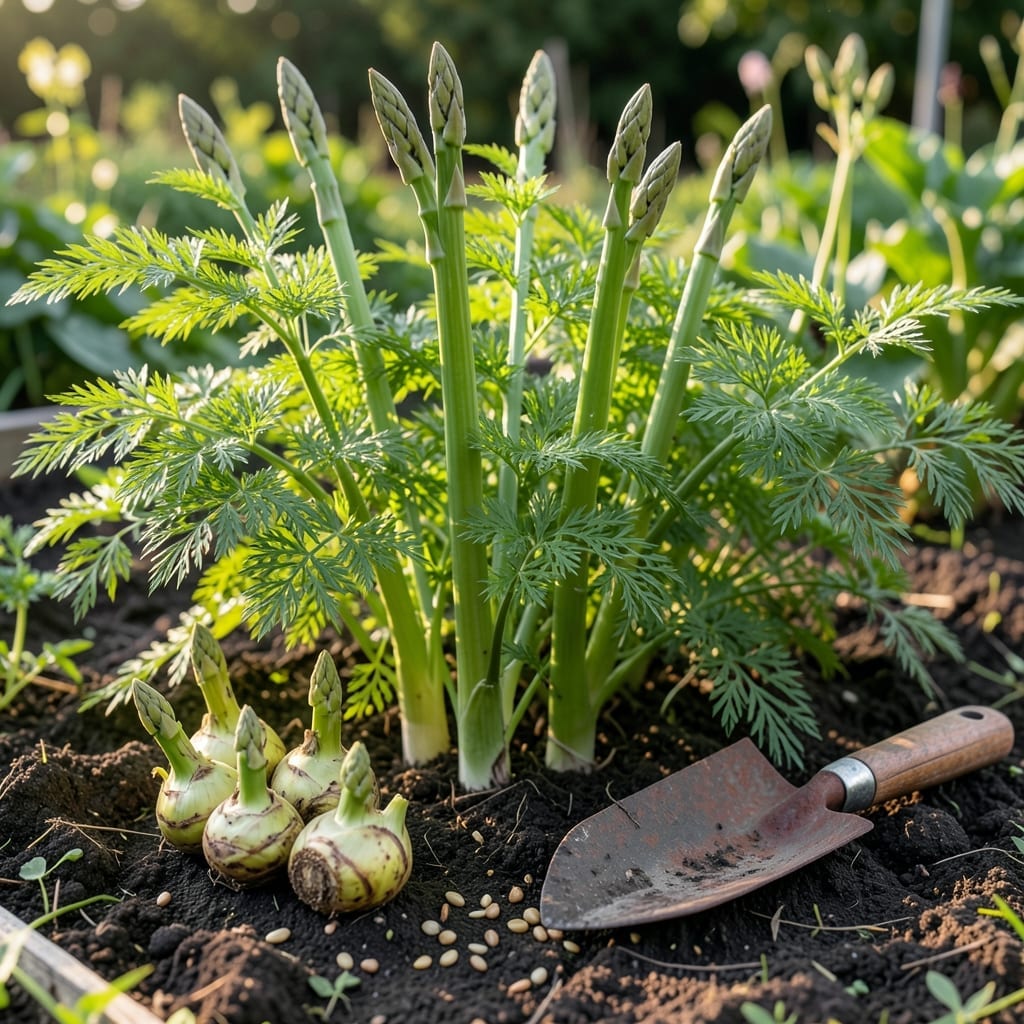
Timing is everything when it comes to growing Asparagus 🥬 in Arkansas. Get it right, and you’ll enjoy a bountiful harvest for years to come.
Our state’s unique climate in zones 7b-8a creates the perfect window for this perennial favorite. I’ve seen firsthand how planting at the optimal time makes all the difference.
Whether you’re a seasoned gardener or just starting out, understanding Arkansas’ specific needs is the key to success. The right timing ensures strong roots before summer heat arrives.
Let me walk you through when to get those crowns in the ground for the best possible start. You’ll be harvesting fresh spears before you know it.
Timing is everything when planting asparagus in Arkansas. This perennial thrives when crowns go into the ground during late winter or early spring, specifically January through March. The soil should be workable but not waterlogged, which is common in Arkansas winters.
I always recommend planting asparagus crowns rather than seeds for faster establishment. The ideal soil temperature is around 50°F, which typically occurs in February or March in most parts of the state. This gives the plants a head start before the heat of summer sets in.
| Planting Factor | Arkansas-Specific Guidance |
|---|---|
| Best Months | January – March |
| Soil Temperature | 50°F minimum |
| Planting Method | Crowns preferred |
| Soil Condition | Well-draining, not soggy |
| Sunlight Needs | Full sun (6+ hours) |
Arkansas’ USDA zones 7b-8a mean we can plant earlier than colder regions. However, avoid planting during heavy winter rains as waterlogged soil can rot the crowns. I’ve found that mid-February often provides the perfect balance of moisture and temperature.
For those in the northern Arkansas mountains, you might need to wait until early March as the ground stays colder longer. In the southern regions, where winters are milder, January planting can work if the soil isn’t frozen or saturated.
Remember that asparagus is a long-term investment. It takes 2-3 years to establish a full harvest, but with proper timing, your bed can produce for 15-20 years. Patience truly pays off with this perennial favorite.
If you’re starting from seeds, begin indoors 12-14 weeks before your last frost date (around April 15 for most of Arkansas). Transplant the seedlings when they’re 12-14 weeks old and all danger of frost has passed.
One common mistake I see is planting too deep. Set asparagus crowns in trenches that are 6-8 inches deep and 12-18 inches apart. As the plants grow, gradually fill in the trench with soil.
After planting, maintain consistent moisture but avoid overwatering. Mulching with straw helps retain moisture and suppress weeds, which is especially helpful during Arkansas’ variable spring weather.
By following these Arkansas-specific timing tips, you’ll establish a productive asparagus bed that rewards you with delicious spears for many springs to come. The key is working with our unique climate rather than against it. 🌱
Planting asparagus in Arkansas requires more than just good timing. Proper soil preparation is crucial for success. I always start by choosing a sunny location with well-draining soil, as asparagus hates wet feet.
Test your soil pH—asparagus thrives in slightly acidic to neutral soil (6.0-7.0 pH). Amend heavy clay soils common in Arkansas with compost or sand to improve drainage. This step prevents root rot and ensures healthy growth.
A common mistake I see is planting too shallow. Crowns need to be buried 6-8 inches deep to protect them from Arkansas’ temperature swings. Also, avoid fertilizing at planting time—wait until spring growth appears to prevent burning the roots.
After planting, mulch heavily with straw or leaves to retain moisture and suppress weeds. Arkansas springs can be unpredictable, so mulch helps maintain consistent soil conditions. Water deeply but infrequently to encourage deep root growth.
For first-year care, resist harvesting any spears. This allows the plants to establish strong root systems. By the third year, you can start harvesting, but never take more than 50% of the spears to maintain plant health.
Finally, remember that asparagus beds can produce for 15-20 years with proper care. Choose your planting location carefully, as you won’t want to move this perennial once established. 🌱