
Beautiful Plants For Your Interior
Beautiful Plants For Your Interior
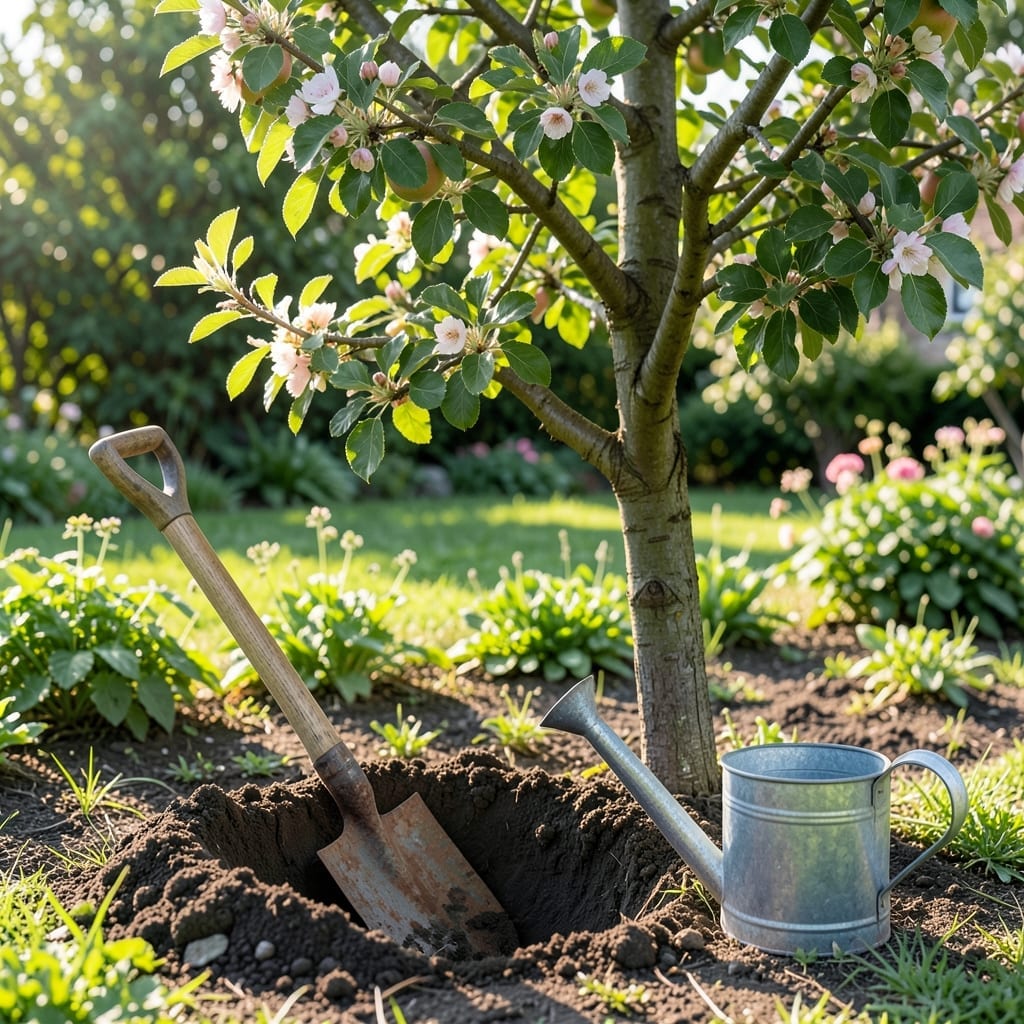
Timing is everything when planting Apple Trees in Zone 7—plant too early or too late, and you risk stunted growth or even tree loss.
I’ve seen gardeners struggle with weak saplings simply because they missed the optimal window. The right timing ensures strong roots and a head start for bountiful harvests.
In Zone 7, the 🍎 Apple Tree thrives when planted during dormancy. This gives roots time to establish before the heat or frost sets in.
Let me walk you through the best season to plant, so you can enjoy healthy trees and years of delicious fruit.
In USDA Zone 7, the ideal window for planting apple trees is late winter to early spring. This timing allows roots to establish before summer heat arrives, giving your tree a strong start.
I’ve found that bare-root trees thrive when planted in January or February, while container-grown trees can go in the ground later, up to April. Avoid planting during frost or extreme cold.
| Stage | Action | Timing |
|---|---|---|
| Bare-root planting | Plant while dormant | Jan-Feb |
| Container trees | Transplant carefully | March-April |
| Frost risk | Avoid planting | During freezes |
| Soil prep | Test and amend soil | Before planting |
| Root establishment | Water deeply weekly | First season |
Soil temperature is key—aim for 40-50°F at planting depth. In Zone 7, this typically occurs in late February as winter thaws. I always check with a soil thermometer to be sure.
For fall planting, October can work if you give roots 6 weeks before the first frost, which in Zone 7 is around October 15. This is riskier but can succeed with proper care.
Spring planting is my top recommendation for Zone 7. The moderate temperatures and spring rains help roots establish without stress. Just avoid waterlogged soil from winter rains.
If you plant in late fall, ensure your apple tree is from a reputable nursery and is dormant. Mulch heavily to protect roots from temperature swings, which are common in Zone 7 winters.
Remember, apple trees need full sun and well-draining soil. In Zone 7, our clay-heavy soils often need amending with compost or sand to improve drainage.
After planting, water deeply once a week unless rain provides an inch of water. This encourages deep root growth, crucial for withstanding Zone 7’s summer droughts.
🌳Finally, consider your apple tree variety. Some, like ‘Anna’ or ‘Dorsett Golden’, are better suited to Zone 7’s milder winters and can handle the occasional late frost.
🌱Planting apple trees in Zone 7 starts with picking the right spot. I always recommend a location with full sun and well-draining soil to prevent root rot and encourage healthy growth.
Once you’ve chosen your site, test the soil’s pH level. Apple trees thrive in slightly acidic to neutral soil, ideally between 6.0 and 7.0. This ensures they can absorb nutrients effectively.
Spacing is another critical factor. For standard apple trees, allow 20-30 feet between trees. Dwarf varieties need only 8-12 feet, while semi-dwarf types do well with 12-15 feet of space.
After planting, give your tree a deep watering to help the roots settle. I like to create a small watering basin around the base to ensure moisture reaches the roots directly. ☀️
For the first year, focus on consistent watering and weed control. Avoid fertilizing immediately—wait until the tree is established, usually in its second growing season.
Remember, Zone 7’s mild winters and warm summers are ideal for apple trees. With the right care, your tree will reward you with beautiful blooms and delicious fruit for years to come. 🌳