
Beautiful Plants For Your Interior
Beautiful Plants For Your Interior
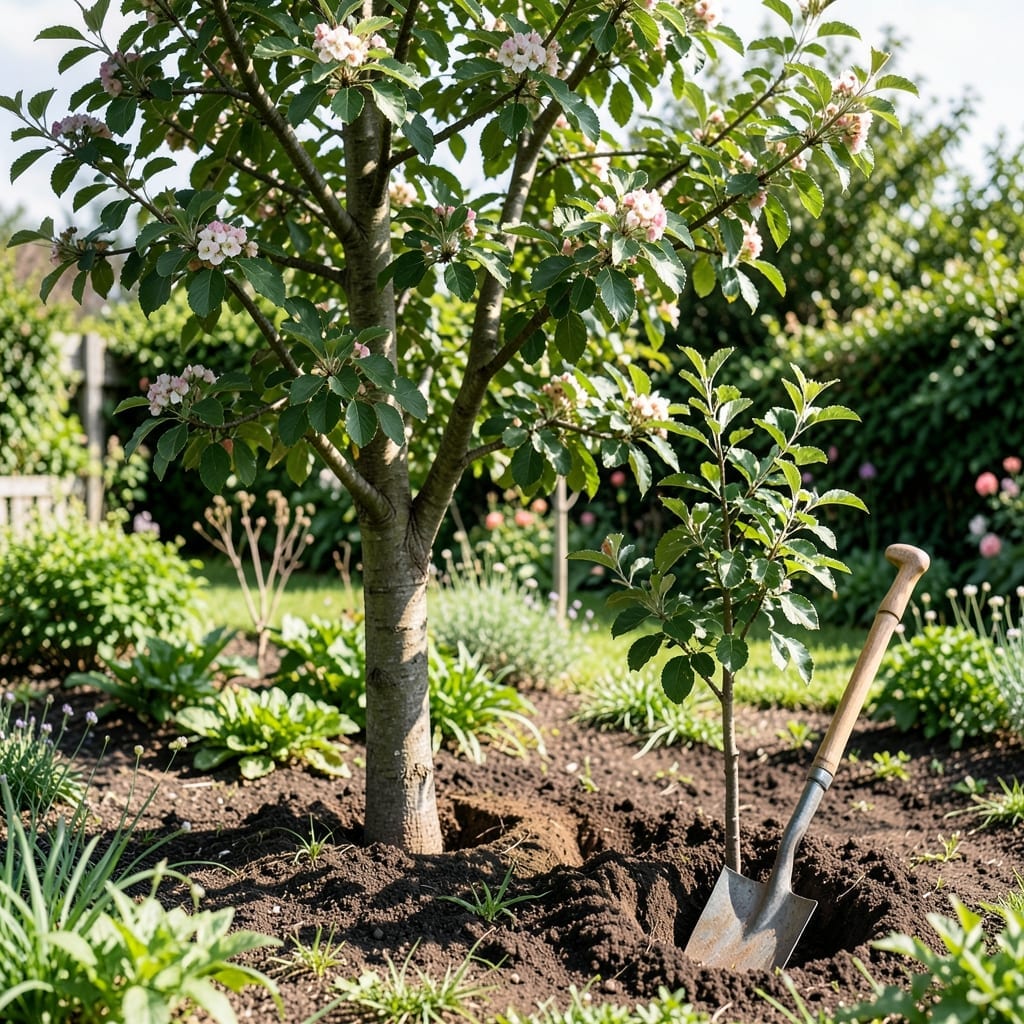
Planting an 🍎 Apple Tree in North Carolina can mean the difference between a thriving orchard and a struggling sapling. With the state’s Zone 7 climate, timing is everything to ensure strong root establishment.
I’ve seen too many gardeners plant at the wrong time, only to watch their trees struggle through extreme weather. The right window gives your Apple Tree the best start possible.
Whether you’re planting bare-root or container-grown trees, the season you choose impacts survival rates. North Carolina’s unique conditions require careful timing.
Discover the optimal windows that maximize root growth before summer heat or winter freeze. Let me show you how to get it right the first time.
In North Carolina’s Zone 7, timing your apple tree planting is critical. The best windows are early fall (September-October) and late winter (February-March). These periods allow roots to establish before extreme weather.
Fall planting gives trees a head start before winter dormancy. Spring planting works too, but avoid late frosts. The key is soil temperature—aim for 50-60°F for optimal root growth.
| Season | Months | Tree Type | Soil Temp |
|---|---|---|---|
| Early Fall | September-October | Bare-root | 50-60°F |
| Late Winter | February-March | Container-grown | 45-55°F |
| Spring | April | Both | 50°F+ |
For bare-root trees, late winter is ideal while they’re dormant. This gives roots time to grow before summer heat stresses the tree. Container-grown trees can go in slightly later, as their roots are already established.
Frost dates are crucial. North Carolina’s last frost is typically April 15, so aim to plant 4-6 weeks before. This avoids late frost damage to new growth.
Soil preparation matters just as much as timing. Test your soil’s pH—apple trees prefer 6.0-7.0. Amend clay-heavy soil with compost for better drainage.
Early fall planting has advantages too. Cooler temps reduce stress, and fall rains help with root establishment. Just avoid planting too late—frost heave can damage young roots in winter.
If you plant in spring, wait until the soil is workable but not waterlogged. April is usually safe, but watch the forecast for late frosts. A frost blanket can protect young trees if needed.
For best results, choose disease-resistant varieties like ‘Fuji’ or ‘Gala’. These handle North Carolina’s humidity and resist common pests like apple scab.
Remember, consistent watering is key after planting. Give your tree a deep soak weekly for the first year. Mulch around the base to retain moisture and suppress weeds.
By following these Zone 7-specific guidelines, your apple tree will have the best chance to thrive. The right timing and care now mean years of bountiful harvests later. 🌳
Planting apple trees in North Carolina requires careful timing to avoid climate-related pitfalls. The state’s Zone 7 conditions can be tricky, especially with late frosts and heavy clay soils. I’ve learned that even experienced gardeners make mistakes here.
One of the biggest errors is late fall planting, which risks frost heave damaging fragile roots. Similarly, early spring planting can expose young trees to unexpected cold snaps. Both scenarios can set your tree back for years.
⚠️ Avoid These Planting Pitfalls
North Carolina’s clay-heavy soil often drains poorly, which can drown roots. I always recommend amending with organic matter to improve drainage before planting. This is especially critical in the Piedmont region.
Another key tip: avoid frost pockets in your yard. These low-lying areas collect cold air, which can damage or kill young apple trees. I’ve seen entire orchards struggle because of this oversight.
For bare-root trees, late winter is ideal, as they need time to establish roots before summer heat. Container-grown trees offer more flexibility but still need protection from extreme temperatures.
Finally, remember that mulching helps regulate soil temperature and retain moisture. A 2-3 inch layer of organic mulch around the base (but not touching the trunk) works wonders in North Carolina’s climate. ✂️