
Beautiful Plants For Your Interior
Beautiful Plants For Your Interior
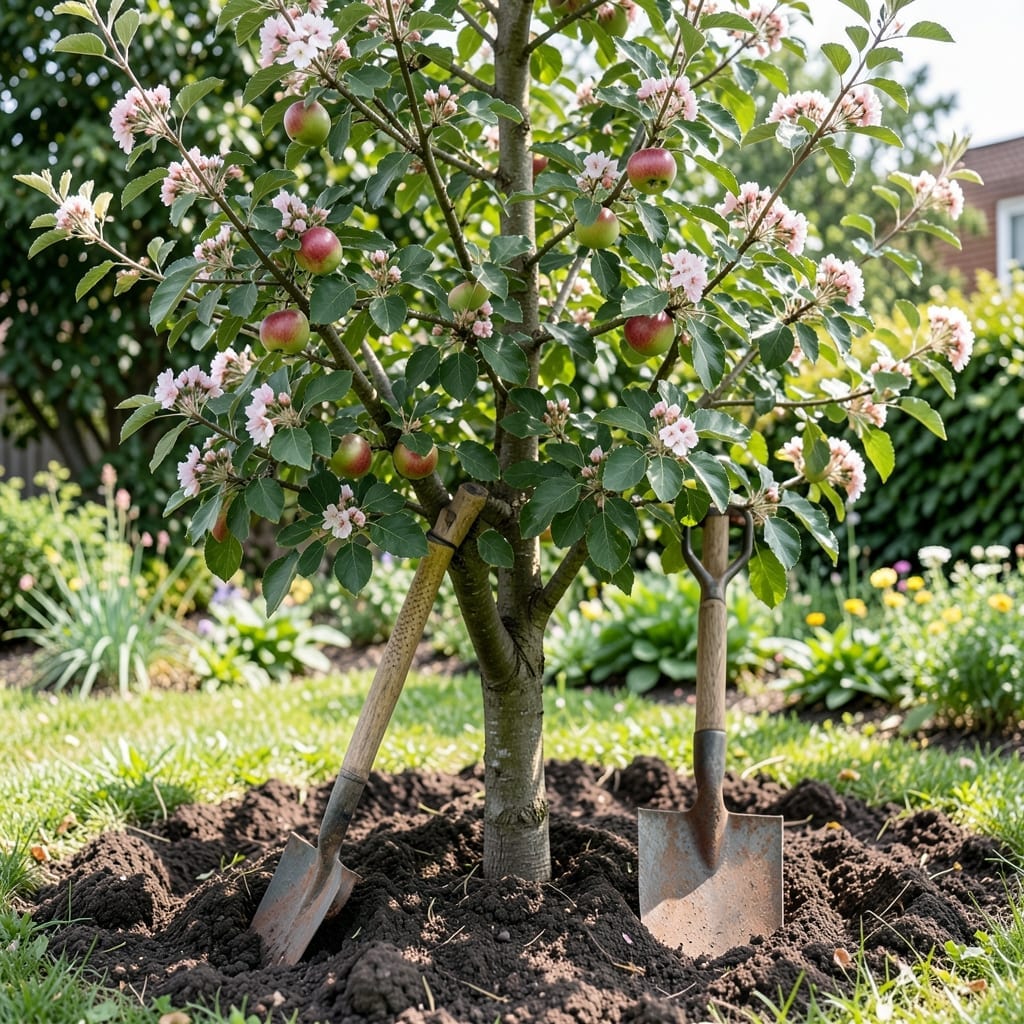
Timing is everything when planting Apple Trees in New Jersey. Choose the wrong season, and your 🍎 may struggle to establish roots or survive harsh winters.
In our 6a-7b zone, getting this right means the difference between a thriving orchard and a disappointing start. The soil temperature and moisture levels play the key roles here.
I’ve seen gardeners make costly mistakes by planting at the wrong time. That’s why understanding the ideal windows is crucial for your Apple Tree’s success.
Discover the best approach to give your trees the strongest start possible. Let’s break down what works best for New Jersey’s unique climate.
New Jersey’s USDA zones 6a-7b offer two prime windows for planting apple trees: early spring and late fall. I always recommend these periods because they allow root establishment before extreme temperatures hit.
The ideal spring window is March to early April, right as the ground becomes workable. This gives roots time to settle before summer heat. Late fall, from September to November, works too—just plant 4-6 weeks before the first frost.
| Season | Months | Key Benefit |
|---|---|---|
| Early Spring | March-April | Avoids summer stress |
| Late Fall | Sept-Nov | Maximizes winter root growth |
| Avoid | Summer/Winter | Extreme temps hinder roots |
In early spring, I plant bare-root trees as soon as I can dig. The cool, moist soil helps roots establish without water stress. Just watch for late frosts, which can damage new growth in NJ.
For fall planting, I aim for September to October. This gives roots 6 weeks to grow before winter dormancy. The soil stays warm longer than the air, which is perfect for root development.
Always check your local frost dates. In NJ, the first frost typically hits around October 15. Planting too late in fall risks root damage from freezing temperatures.
The soil temperature should be above 40°F for root growth. I use a soil thermometer to confirm. In spring, wait until the ground is no longer frozen or waterlogged.
NJ’s clay-heavy soils can be tricky. I amend with compost or sand to improve drainage. Apple trees hate “wet feet”, so good drainage is non-negotiable.
For container-grown trees, you have more flexibility. I’ve planted them in early summer with extra watering, but spring and fall are still safer bets for long-term success.
Remember, young trees need consistent moisture. I water deeply once a week unless rain does the job. Mulching helps retain soil moisture and regulates temperature.
New Jersey’s variable climate means I always keep an eye on the forecast. A sudden cold snap or heatwave can stress new plantings, so timing and preparation are everything. 🌳
Planting apple trees in New Jersey starts with picking the right site selection. I always look for a spot with full sun exposure and well-draining soil to prevent root rot.
Before digging, I test the soil pH—apple trees thrive in slightly acidic to neutral soil (6.0–7.0). Amend with compost if needed to improve fertility.
Pro Tip
For bare-root trees, soak roots in water for 1–2 hours before planting to rehydrate them.
When planting, I dig a hole twice as wide as the root ball but no deeper. The graft union must stay 2–3 inches above soil to avoid suffocation.
Spacing is key—standard trees need 20–30 feet apart, while dwarf varieties can be 8–10 feet apart. This ensures proper air circulation and sunlight penetration.
After placing the tree, I backfill with native soil, gently tamping to remove air pockets. A 3-inch mulch layer around the base helps retain moisture and suppress weeds.
Finally, I water deeply to settle the soil and encourage root establishment. For the first 2–3 weeks, I keep the soil consistently moist but not soggy to support growth.☀️