
Beautiful Plants For Your Interior
Beautiful Plants For Your Interior
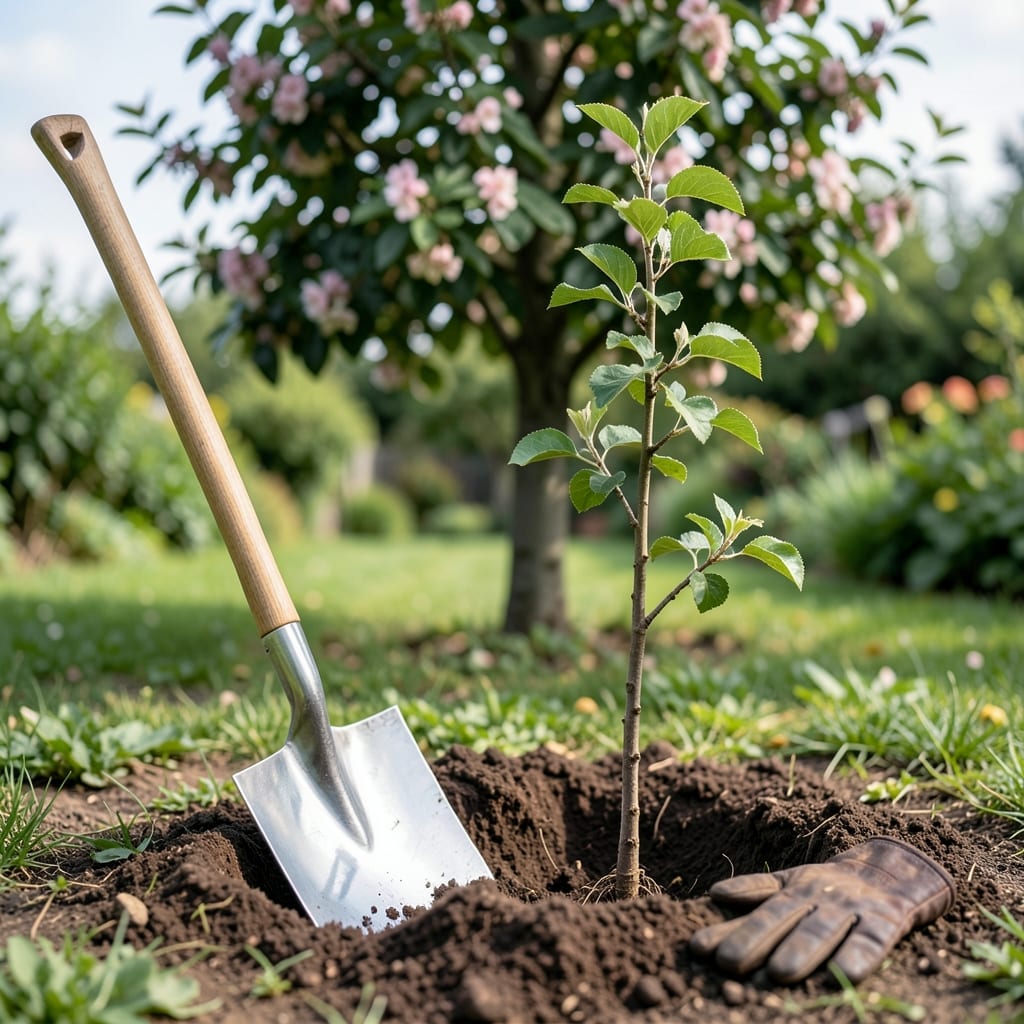
Planting 🍎 Apple Trees in Massachusetts at the right time can make all the difference between a flourishing orchard and a struggling sapling. The Bay State’s unique climate, with its cold winters and humid summers, demands careful timing.
I’ve seen firsthand how planting too early or too late can set back growth for years. The key lies in working with Massachusetts’ hardiness zones 5b-7a, not against them.
Whether you’re a seasoned gardener or just starting out, understanding when to plant is your first step toward success. It’s not just about the calendar—it’s about the soil, the season, and the tree’s needs.
Let me walk you through the optimal windows and what to consider before you dig. This is how you set your Apple Tree up for a lifetime of healthy growth and abundant harvests.
Timing is everything when planting apple trees in Massachusetts. The Bay State spans USDA zones 5b-7a, meaning frost dates and seasonal shifts vary. I always recommend early spring or fall planting for best results.
In spring, aim for April to early May, right after the last frost. This gives roots time to establish before summer heat. Fall planting, from October to November, lets trees settle before winter dormancy.
| Season | Optimal Months | Key Benefits |
| Early Spring | April – May | Avoids summer stress |
| Fall | October – November | Cooler temps reduce transplant shock |
| Winter | Not Recommended | Frozen ground prevents root growth |
| Summer | Not Recommended | Heat stress on new plantings |
Spring planting works best for bare-root trees. I’ve found they establish faster when planted as soon as the soil is workable. Just be sure to avoid late frosts, which can damage new growth.
Fall is my personal favorite for container-grown trees. The cooler temperatures and consistent rainfall reduce stress. Plus, roots grow all winter, giving your tree a head start next spring.
In western Massachusetts (zone 5b), the growing season is shorter. I recommend planting 2-3 weeks earlier in spring or a bit later in fall to avoid early frosts.
The eastern coastal areas (zone 7a) have milder winters. Here, you can push fall planting into early December if the ground isn’t frozen. But I’d still aim for October for best results.
For central Massachusetts (zone 6), mid-April and mid-October are sweet spots. I’ve seen apple trees planted during these windows thrive with proper care.
Remember, soil temperature matters more than air temperature. I always check that soil is at least 40°F before planting. A simple soil thermometer is an invaluable tool.
Lastly, avoid planting during heatwaves or drought periods. New apple trees need consistent moisture to establish strong root systems. I water deeply 2-3 times per week for the first month after planting. ☀️
Planting apple trees in Massachusetts requires attention to our rocky New England soil and cold-hardy varieties. I always recommend testing your soil first—our clay-heavy areas need amendment for proper drainage.
Choose disease-resistant cultivars like Liberty or Honeycrisp to combat the state’s humid summers. These varieties thrive in USDA zones 5b-7a, which cover most of Massachusetts.
Before planting, I dig a hole twice as wide as the root ball but no deeper. This gives roots room to spread in our often compacted soil. Mix in compost to improve fertility.
After planting, I always mulch heavily with wood chips to retain moisture and suppress weeds.
Water deeply after planting, then maintain consistent moisture—especially important during the first growing season. Our New England summers can be dry, so don’t skip this step.
Finally, protect young trees from deer and rodents with tree guards. In Massachusetts, these pests can quickly damage unprotected saplings. I’ve learned this lesson the hard way! ✂️