
Beautiful Plants For Your Interior
Beautiful Plants For Your Interior
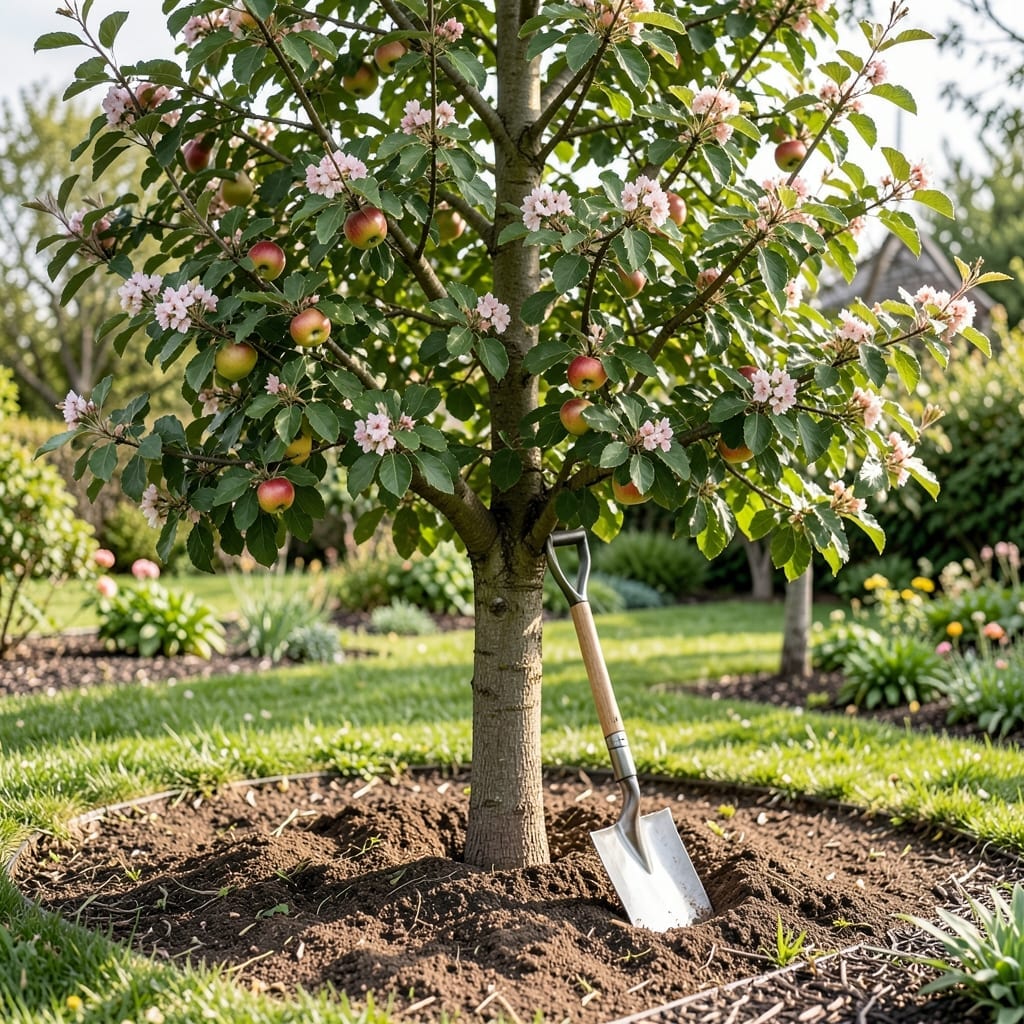
Planting Apple Trees at the right time in England can mean the difference between a thriving orchard and a struggling sapling. Timing affects root establishment, growth rate, and even fruit quality.
I’ve seen too many gardeners rush the process, only to watch their 🍎 trees struggle through harsh winters or fail to take root. The key is aligning your planting with the tree’s natural dormancy period.
Whether you’re working with bare-root or container-grown trees, getting the timing right sets the foundation for healthy growth. England’s climate offers a clear window for success.
Let me walk you through the best seasonal timing and what to consider before you dig. The difference it makes might surprise you.
In England, the optimal planting window for apple trees is from late autumn to early spring. This period allows roots to establish before active growth begins. I’ve found that dormant seasons minimize stress on young trees.
The ideal months are October through March, when soil remains workable and frost risk is low. Container-grown trees offer more flexibility, but bare-root stock thrives best in this window.
| Season | Planting Suitability | Tree Type |
| Late Autumn | Best | Bare-root & container |
| Winter | Excellent | Bare-root preferred |
| Early Spring | Good | Container-grown |
| Late Spring | Avoid | All types |
| Summer | ❌ Not recommended | All types |
I always recommend bare-root trees for autumn planting because they establish faster. The cool, moist soil encourages root growth without the stress of summer heat or winter freeze.
For container-grown trees, you can plant slightly later, but avoid frozen ground. In milder regions like Cornwall or Devon, planting can extend into early April if conditions allow.
In colder areas like Yorkshire or the North East, stick to October-November or March to avoid frost damage. I’ve seen trees struggle when planted too close to winter frosts.
The key is soil temperature—it should be above 40°F (4°C) for root activity. Use a soil thermometer to check. Also, ensure the planting hole is twice as wide as the root ball for best results.
If you’re in a frost-prone area, consider mulching heavily after planting to protect roots. I use straw or wood chips for insulation. This helps maintain consistent soil temperature during fluctuations.
For dwarf varieties, the same timing applies, but they’re more forgiving. I’ve successfully planted M9 rootstock trees in late March with great success. Just avoid waterlogged soil, which can rot roots.
Remember, early planting gives trees a head start before spring growth. In my experience, November-planted trees often outperform those planted in late winter because they establish roots earlier.
Finally, always water thoroughly after planting, even in dormant seasons. This settles the soil and eliminates air pockets around roots. I use 10-15 liters per tree for the first watering.
With proper timing, your apple trees will reward you with strong growth and bountiful harvests for years to come. 🌳
England’s climate varies, so I always check soil temperature and drainage before planting. Cold, waterlogged soil can stunt root growth, while well-drained sites help trees establish faster.
I’ve found that frost risk is another critical factor. Planting just before hard frosts can damage young roots, so I aim for mild spells in late autumn or early spring.
Key Conditions for Planting Success
I prepare my planting site in advance by loosening the soil and adding organic matter. This improves both nutrient availability and drainage, which are vital in England’s often wet climate.
For container-grown trees, I’m less strict about timing since their roots are already established. But I still avoid extreme weather—whether it’s freezing temps or summer heatwaves.
In my experience, late autumn planting gives roots a head start before winter. The soil stays warm longer than the air, encouraging growth before dormancy. Early spring works too, but I watch for late frosts.
Finally, I always mulch after planting to retain moisture and protect roots from temperature swings. A 2-3 inch layer of organic mulch makes a noticeable difference in tree health. 🌳