
Beautiful Plants For Your Interior
Beautiful Plants For Your Interior
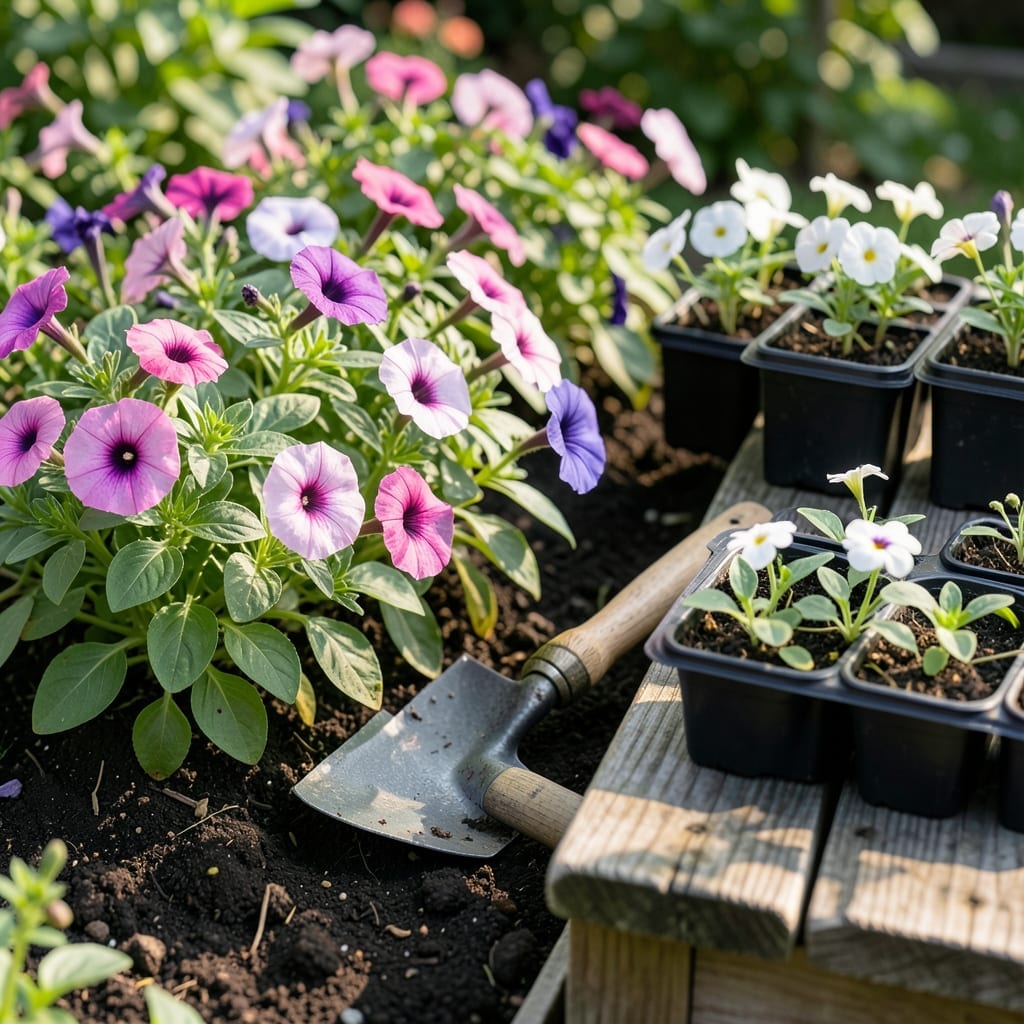
Timing is everything when planting annuals in Pennsylvania—plant too early and frost may kill your blooms, but wait too long and you’ll miss peak growing season.
Knowing your local frost dates ensures vibrant, healthy 🌸 Annuals all season long. Pennsylvania’s varying climate zones mean what works in Philadelphia might not in Pittsburgh.
I’ve learned that getting this timing right can make or break your garden’s success. Whether you’re a seasoned gardener or just starting out, understanding these windows is the key.
Let me walk you through exactly when to get those seeds in the ground for maximum color and growth in your Pennsylvania garden.
In Pennsylvania, annual planting success hinges on understanding local frost dates. The state spans USDA zones 5-7, meaning frost timings vary significantly by region. Generally, the last spring frost hits between April 15 and May 15. 🌱
Warm-season annuals like marigolds, petunias, and zinnias thrive when planted after the last frost. Cooler areas like Erie (Zone 5) may need to wait until mid-May, while Philadelphia (Zone 7) can often start early April. 🌼
| Region | Last Frost Date | Safe Planting Window | USDA Zone |
|---|---|---|---|
| Philadelphia | April 15 | Early April | 7 |
| Pittsburgh | May 1 | Late April | 6 |
| Erie | May 15 | Mid-May | 5 |
| Harrisburg | April 25 | Mid-April | 6-7 |
I always check the 10-day forecast before planting. Even after the average last frost, a late cold snap can damage tender annuals. Using row covers or cloches can provide extra protection during unpredictable weather. ☀️
Soil temperature is another critical factor. Annuals prefer soil temps above 60°F. A soil thermometer is an inexpensive tool that helps me avoid planting too early. Warm soil ensures strong root development from the start. 🌡️
For early blooms, I start cold-hardy annuals like pansies and snapdragons about 4-6 weeks before the last frost. These can tolerate light frosts and give my garden a colorful head start. 🌸
In southern Pennsylvania, gardeners can often plant heat-loving annuals like vinca or portulaca as early as late April. But in northern areas, it’s safer to wait until mid-May to avoid frost damage. 🌿
I’ve found that container gardening offers flexibility. Potted annuals can be moved indoors during unexpected cold nights. This method also allows me to extend the growing season in both spring and fall. 🪴
Monitoring local weather patterns is key. Pennsylvania’s variable climate means that even within the same zone, microclimates can affect planting times. I keep a garden journal to track my successes and failures each year. ✂️
Finally, remember that fall planting is also an option for some annuals. In late summer, I plant cool-season annuals like calendula or stock for beautiful autumn blooms before the first frost arrives. 🌷
After Pennsylvania’s last frost date, typically between April 15 and May 15, it’s time to plant heat-loving annuals. These flowers thrive in warmer soil and won’t tolerate cold snaps.
I always recommend starting with marigolds, petunias, and zinnias—they’re classic choices that bring vibrant color to any garden. Each of these has specific needs, but all love the full sun Pennsylvania summers provide.☀️
For early spring planting, before the last frost, consider cold-hardy annuals like pansies and snapdragons. These can handle light frosts and give your garden color while waiting for warmer weather.
I’ve found that pansies are particularly resilient—they’ll bounce back even after a surprise cold snap. Just be sure to mulch around them for extra protection.🌱
If you’re in USDA Zone 5 (northern Pennsylvania), wait until late May to plant tender annuals. In Zone 7 (southern areas), you can start as early as mid-April. Always check your local weather forecast!
Don’t forget about soil temperature. Annuals like cosmos and sunflowers need soil that’s at least 60°F to germinate properly. A simple soil thermometer can save you from planting too soon.
For the best results, I water deeply after planting and keep the soil consistently moist for the first week. This helps roots establish quickly in their new home.💧