
Beautiful Plants For Your Interior
Beautiful Plants For Your Interior
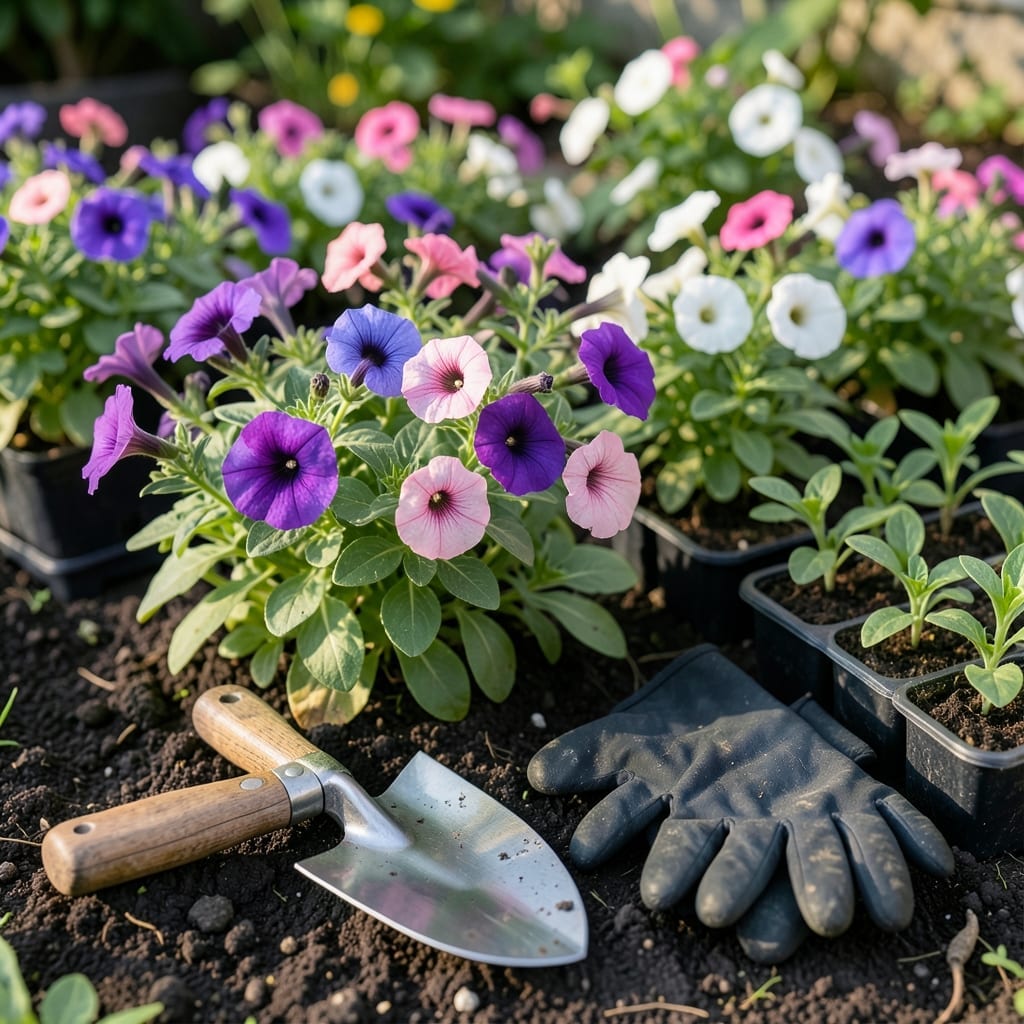
Missouri’s diverse climate can make planting 🌸 Annuals feel like a guessing game. But here’s the good news: with the right timing, you can enjoy vibrant blooms all season long.
I’ve seen too many gardeners jump the gun, only to watch their efforts wilt in a late frost. The key is knowing your local conditions and planting after the soil warms up in 6a.
Whether you’re in St. Louis or the Ozarks, this guide will help you pinpoint the perfect window. No more wasted trips to the nursery or disappointing results.
Let me walk you through everything you need to know to get your Annuals off to a strong start this spring. Your most colorful garden yet is just around the corner.
Missouri spans USDA zones 5-7, meaning your planting window varies significantly. In zone 6a (like St. Louis), the last frost typically hits around April 15, while northern areas may see frost until early May.
I always recommend checking your local frost dates since microclimates can shift these by weeks. Annuals are frost-sensitive, so planting too early can spell disaster for tender varieties like petunias or marigolds. ☀️
| Region | Zone | Last Frost | First Frost |
|---|---|---|---|
| St. Louis | 6a | April 15 | October 15 |
| Kansas City | 6b | April 10 | October 20 |
| Ozarks | 6a-7a | April 5-20 | October 10-25 |
Soil temperature matters just as much as air temperature. I wait until the soil reaches 60°F at a 2-inch depth before planting most annuals. A simple soil thermometer takes the guesswork out of this.
For cool-season annuals like pansies and snapdragons, you can plant 4-6 weeks before the last frost. These hardy varieties tolerate light frosts and even a dusting of snow.
Warm-season annuals like zinnias and cosmos need warmer soil. In zone 6, I typically plant these after May 1 when the threat of frost has completely passed.
The Ozarks’ higher elevation means cooler nights, so I often delay planting by 1-2 weeks compared to St. Louis. Urban areas with heat islands may allow for earlier planting by a week or so.
Remember that container plants are more vulnerable to temperature swings. I keep mine in a sheltered spot or use frost cloth if a late cold snap is forecasted after planting.
Missouri’s 180-day growing season gives you plenty of time for successive plantings. After your first wave of annuals fades, you can replant with heat-tolerant varieties for continuous color.
I’ve found that keeping a garden journal with your planting dates and first/last frost observations helps refine your timing each year. Nature isn’t always predictable, but patterns do emerge.
By aligning your planting with these zone-specific guidelines, you’ll give your annuals the best chance to thrive. The difference between a struggling plant and a flourishing one often comes down to just a few days of timing. 🌱
Missouri’s long growing season lets you enjoy annuals from early spring through fall. I start with cool-season varieties as soon as the soil is workable, often in late March or early April.
These hardy plants thrive in cooler temperatures and can even handle light frosts. My favorites include pansies, snapdragons, and calendulas, which add color when most plants are still dormant. 🌷
As temperatures rise in May, I transition to warm-season annuals. These heat-lovers need warmer soil and won’t tolerate frost. Petunias, marigolds, and salvias are my go-to choices for summer color.
For the hottest part of summer, I rely on drought-tolerant varieties like portulaca and lantana. These thrive in Missouri’s humid summers and keep blooming when other plants wilt.
Don’t forget about fall annuals! In late summer, I plant chrysanthemums and ornamental kale for beautiful autumn displays. These can handle light frosts and extend your color season.
I always interplant fast-growing annuals like nasturtiums with slower perennials. This gives instant color while waiting for other plants to mature. The key is matching plants with similar sun and water needs. ✂️
Remember that succession planting keeps your garden vibrant all season. As early bloomers fade, I replace them with heat-loving varieties. This technique ensures continuous color from spring through fall in Missouri’s climate. 🌱